When it comes to home comfort and efficiency, few appliances are as essential as your water heater. Proper water heater maintenance not only ensures a steady supply of hot water but also extends the life of your unit, improves energy efficiency, and helps avoid costly repairs. Whether you’re in need of routine checks or comprehensive plumbing services, understanding how to care for your water heater is key. For professional assistance and reliable plumbing solutions, you can explore expert plumbing resources that guide you through maintenance and repair.
- Discover why regular water heater maintenance is critical for your home’s comfort and safety.
- Learn the key signs that indicate it’s time for maintenance or servicing.
- Understand the step-by-step process involved in water heater maintenance.
- Explore tips to maintain your water heater efficiency between professional visits.
- Identify when professional support is necessary to keep your system running smoothly.
Why Water Heater Maintenance Is Crucial

Your water heater is a vital appliance that works hard every day to provide hot water for bathing, cooking, cleaning, and more. Neglecting its upkeep can lead to inefficient performance and costly problems. Here’s why regular maintenance is so important:
- Enhanced Safety: Regular inspections help identify potential hazards such as leaks or faulty pressure relief valves, protecting your home and family.
- Increased Efficiency: A well-maintained water heater operates more efficiently, reducing energy consumption and lowering utility bills.
- Extended Equipment Life: Routine care prevents premature failures and extends the lifespan of your water heater, saving you money on replacements.
- Consistent Hot Water Supply: Maintenance ensures your water heater reliably meets your household’s hot water needs without unexpected interruptions.
- Compliance with Warranties: Many manufacturers require regular servicing to keep warranties valid, so maintenance safeguards your investment.
Proper upkeep of your water heater contributes significantly to the overall health of your plumbing system and home comfort.
6 Key Indicators of When To Perform Water Heater Maintenance
Knowing when to schedule water heater maintenance can prevent unexpected breakdowns and costly repairs. Pay attention to these common signs that indicate it’s time for a checkup or service:
1. Age of The Water Heater
Most water heaters are designed to last between 8 and 12 years. If your unit is approaching or exceeding this range, it’s wise to have a professional inspection to assess its condition and discuss replacement options if needed.
2. Reduction in Hot Water Supply
If you notice your water isn’t getting as hot as it used to, or if hot water runs out quickly, scale buildup or sediment accumulation may be compromising the tank’s capacity and heating efficiency.
3. Strange Noises
Banging, popping, or rumbling sounds coming from your water heater tank often indicate sediment buildup. This noise signals that maintenance is necessary to flush the system and protect the heating elements.
4. Visible Leaks
Leaks around the base or fittings of the water heater are a serious issue. Contacting a plumbing professional promptly can prevent water damage and address the root cause.
5. Rusty or Discolored Water
Rusty water coming from your hot water taps could mean corrosion inside the tank. This compromises water quality and signals that it is time to inspect or replace the unit.
6. Rising Energy Bills
An unexpected spike in heating costs may be due to an aging or poorly maintained water heater working harder than necessary. Regular maintenance can help optimize performance and reduce expenses.
How to Perform Water Heater Maintenance: Step-by-Step Guide

While professional service is often recommended, there are routine maintenance steps homeowners can undertake carefully to help prolong the life of their water heater. Here’s a clear step-by-step guide to water heater maintenance:
1. Turn Off the Power and Water Supply
Before performing any maintenance, switch off the electrical power or gas supply to the heater for safety. Then, shut off the cold water supply valve to prevent water flow during the process.
2. Drain the Tank to Remove Sediment
Attach a garden hose to the drain valve at the bottom of the tank and direct the water to a suitable drainage area. Open the valve and allow the tank to drain completely. Flushing out sediment buildup helps improve efficiency and prevents damage.
3. Inspect the Anode Rod
The anode rod is a protective component that prevents corrosion inside the tank. Remove and examine it for significant wear or deterioration. Replacing it when necessary can extend the tank’s lifespan.
4. Check the Pressure Relief Valve
Lift the lever on the pressure relief valve to ensure it opens and closes properly. This safety feature prevents excessive pressure buildup; if it does not operate correctly, replacement is vital.
5. Refill the Tank and Restore Power
Close the drain valve and remove the hose. Open the cold water supply valve to refill the tank, ensuring no air pockets remain by leaving a hot water tap open. Once filled, restore power or gas supply and monitor temperature settings.
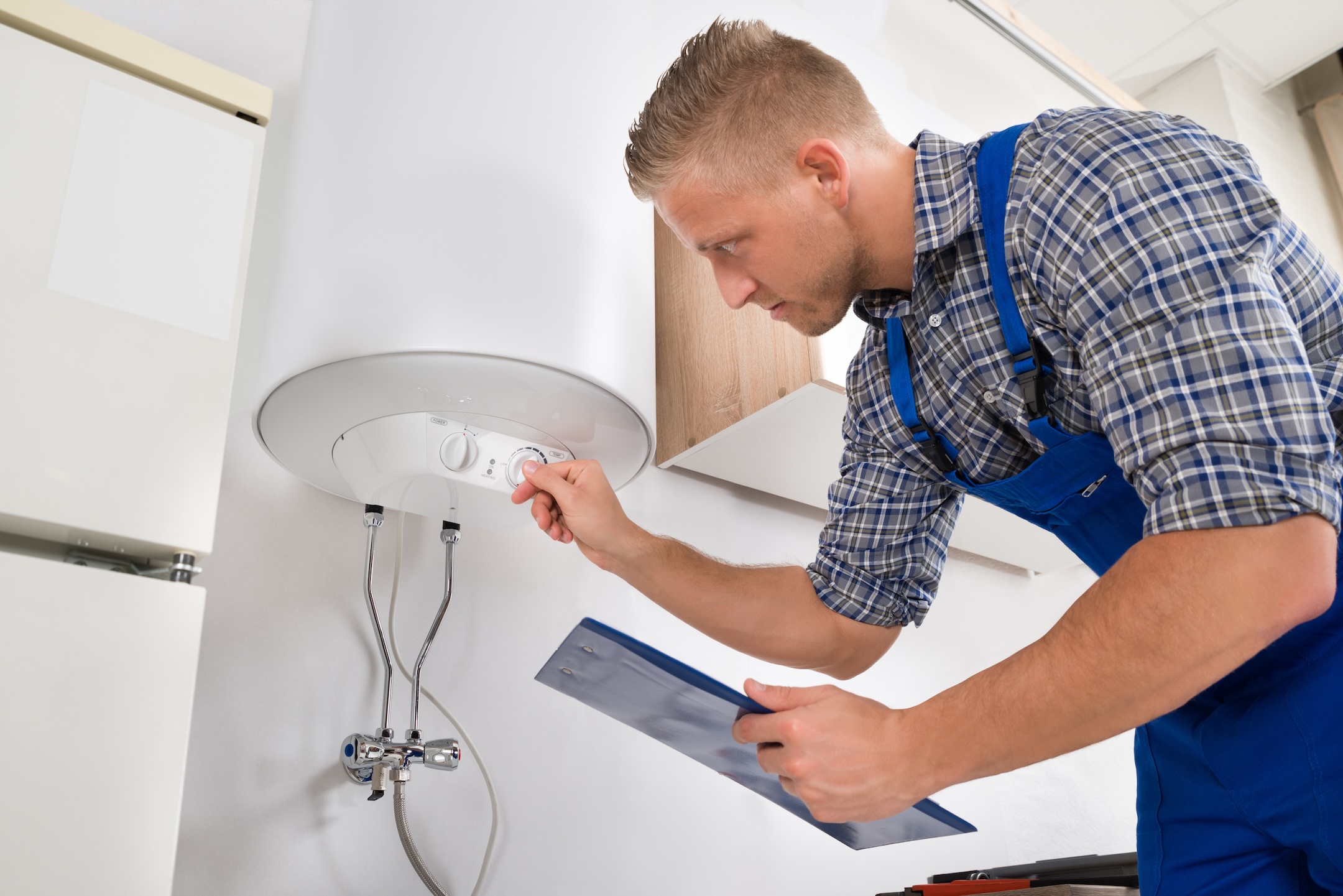
6. Adjust the Thermostat
Setting the thermostat to 120 degrees Fahrenheit is typically optimal for safety and energy savings. Higher temperatures increase the risk of scalding and energy consumption.
Tips for Maintaining Water Heater Efficiency Between Professional Visits
Beyond the basic maintenance steps, there are additional practices that help your water heater function efficiently and last longer, especially in between professional services:
- Insulate the Heater and Pipes: Use insulation blankets on the tank and wrap exposed hot water pipes to reduce heat loss and improve energy efficiency.
- Monitor Water Pressure: Excessively high water pressure can strain the heater and plumbing. Ensure pressure levels are within recommended limits.
- Schedule Regular Professional Inspections: Annual or biannual checkups allow experts to detect problems early before they escalate.
- Limit Hot Water Usage: Reducing unnecessary hot water use helps minimize wear and energy costs.
- Keep the Area Around the Heater Clear: Good airflow and access facilitate maintenance and promote safe operation.
While these proactive habits significantly extend the life of your unit, plumbing components can still fail unexpectedly due to age or extreme weather. Knowing how to handle a sudden leak or burst pipe is just as important as routine care; for those high-stress moments when maintenance isn’t enough, having a plan for emergency plumbing can save your home from extensive water damage.
Comparing Tank vs. Tankless Water Heater Maintenance
Understanding the differences in maintenance needs between tank and tankless water heaters can help you choose the right system and care for it properly. Here’s a brief comparison:
| Feature | Tank Water Heater Maintenance | Tankless Water Heater Maintenance |
| Frequency | Yearly flushing and inspections to remove sediment buildup. | Annual descaling to prevent mineral buildup especially in hard water areas. |
| Common Issues | Sediment accumulation, anode rod corrosion, and leaks. | Mineral scaling, clogging of inlet filters, and electronic failures. |
| Lifespan Impact | Proper maintenance can extend lifespan to 10-15 years. | With regular service, can last 20+ years efficiently. |
| Energy Efficiency | Efficiency can reduce over time if not maintained. | Generally more efficient with lower standby losses. |
Whether you have a traditional tank or a modern tankless system, knowing how to maintain your specific water heater type is essential for dependable performance.
Why Partner With Professionals for Water Heater Maintenance

While some maintenance tasks can be safely handled by homeowners, professional assitance offer expertise, specialized tools, and thorough inspections to ensure your water heater operates at its best. Here’s why entrusting experts can make a difference:
- Comprehensive Diagnostics: Professionals can identify hidden problems that simple DIY maintenance might miss.
- Safe Handling: Working with gas or electrical components requires knowledge to avoid hazards.
- Warranty Compliance: Many manufacturers require certified technicians for warranty-approved maintenance.
- Longevity and Savings: Proper service can extend equipment life and reduce energy costs in the long run.
Ensuring your home’s infrastructure is handled by experts is especially critical when dealing with systems that rely on both water and power. Because many modern heaters and appliances are integrated with complex wiring, a technical malfunction can occasionally lead to broader power issues or safety hazards. In these critical moments, having access to a reliable emergency electrical service ensures that any sudden sparks, shorts, or power failures are resolved quickly and safely alongside your plumbing repairs.
Take Control of Your Water Heater’s Health Today
Water heater maintenance is not just necessary – it’s an investment in your home’s comfort, safety, and efficiency. Timely upkeep prevents inconvenience and costly repairs by keeping your water heater running smoothly season after season. However, even with a perfectly maintained water heater, cold weather poses severe threats to the rest of your plumbing system. To protect your home from the most common winter disasters—the damage caused by burst pipes—read our essential resource detailing 5 tips to avoid frozen pipes.
From regular flushing to professional checkups, following best practices ensures your hot water needs are reliably met. For expert guidance or professional plumbing service, don’t hesitate to contact us today at Rolls Mechanical to protect your system and your home.