Buying a generator is only half of preparing for a power outage. The other half is connecting it to your home safely, which requires a transfer switch for generator power. Without one, the only ways to power household circuits are extension cords or improvised connections that put lineworkers, your family, and your equipment at risk. Seeing how a complete standby power setup is designed and wired from start to finish makes it clear why this one component is not optional, no matter which generator you choose.
In this guide, you will learn:
- What a transfer switch does and why it sits at the center of any generator setup
- 7 reasons every home with a generator needs one
- How manual, automatic, and interlock options differ
- How to choose the right size and type for your home
- What the installation process looks like and what to ask your electrician
What a Transfer Switch Does and Why It Matters
Your home is normally connected to the utility grid, and the electrical panel distributes that power to every circuit. A generator creates a second, separate source of power. If both sources are ever connected to your wiring at the same time, the result can be dangerous and destructive. A transfer switch prevents that by making sure your home is connected to only one power source at a time, either the utility or the generator, and never both.
For homeowners in Farmington Hills, MI and surrounding areas, where storms and ice can cause outages that last for days, a properly installed transfer switch is what lets a generator carry the home safely. It also allows you to power hardwired items, such as a furnace, well pump, or sump pump, that cannot be plugged into a portable generator with a cord.
- Safe Isolation: The switch physically disconnects your home from the utility grid before connecting it to the generator, which keeps generator power from flowing out onto utility lines.
- Hardwired Circuit Access: A transfer switch lets the generator supply circuits that are wired directly into the panel, including heating systems, pumps, and well equipment.
- Controlled Power Source: Whether the transfer is manual or automatic, the switch gives you a defined, safe way to move between utility and backup power.
- Equipment Protection: The switch keeps your generator and your appliances from being damaged when utility power returns unexpectedly.
- Code Compliance: Electrical codes require approved transfer equipment for standby generators, which makes the switch a required part of a legal installation.
5 Reasons You Need a Transfer Switch for Your Generator

Some homeowners wonder whether a transfer switch is truly necessary, especially if they only plan to run a few items. The reasons below explain why the answer is almost always yes, and why shortcuts carry risks that far outweigh the cost of doing it correctly.
1. It Prevents Dangerous Backfeed Onto Utility Lines
Backfeed is the most serious risk of connecting a generator to a home without a transfer switch. When a generator is wired into household circuits improperly, its power can travel backward through the panel, through the service connection, and onto the utility lines outside. During an outage, utility workers assume lines that have lost power are dead, and energized lines can seriously injure or kill them.
Backfeed can also endanger neighbors who share the same transformer, since power sent into the grid can energize lines far beyond your own property. A transfer switch eliminates this risk by physically preventing both power sources from connecting at the same time.
- Never connect a generator to a household outlet using a cord with a plug on both ends
- Understand that turning off the main breaker alone is not a substitute for approved transfer equipment
- Treat any improvised connection as a serious hazard to people outside your home
2. It Is Required by Electrical Code
The National Electrical Code requires transfer equipment for standby power systems, and most local jurisdictions adopt and enforce that requirement. This means a generator connected to your home’s wiring without an approved transfer switch is not just risky but typically not legal. Permits and inspections exist to confirm that the equipment is correct and safely installed.
For homeowners in Farmington Hills, MI and surrounding areas, local permit requirements and inspection steps can vary, so it is wise to work with a licensed electrician who handles the permit process and knows what the local authority expects.
- Ask your electrician to pull the required electrical permit before work begins
- Keep copies of the permit and inspection sign-off with your home records
- Understand that unpermitted work can create trouble with insurance claims and home sales
3. It Protects Your Appliances and Electronics
Electronics, appliances, and motors are designed to operate on stable utility power. When a generator is connected improperly, voltage fluctuations or an unexpected return of utility power can damage sensitive equipment. Refrigerators, furnaces, and computers are all vulnerable when power sources overlap or switch without control.
A transfer switch ensures a clean handoff between sources, so equipment sees one stable supply at a time. That protection is especially valuable for expensive items such as HVAC equipment, home offices, and medical devices.
- Consider whole-home surge protection in addition to a transfer switch for extra protection
- Be aware that when utility power returns, the switch will reconnect it cleanly instead of colliding with generator output
- Keep sensitive equipment on circuits you have chosen deliberately, rather than whatever happens to be reachable by a cord
4. It Powers Hardwired Systems You Cannot Plug In

Many of the most important systems in a home are wired directly into the electrical panel and cannot be plugged into a generator. Furnaces, boilers, well pumps, sump pumps, and many water heaters fall into this category. Without a transfer switch, those systems stay off during an outage no matter how large the generator is.
With a transfer switch, you choose which circuits the generator will serve, and those circuits are powered through the home’s existing wiring. This is how a generator keeps heat on in winter, water flowing from a well, and a basement dry during heavy rain.
- List the circuits that matter most, such as heating, refrigeration, sump pump, lighting, and medical equipment
- Match your selection to the generator’s capacity so it is not overloaded
- Remember that large loads such as air conditioners and electric ranges may require careful planning
5. It Makes Using a Generator Safer and Simpler
Running extension cords through windows and doors is awkward, creates tripping hazards, and lets cold air, rain, and carbon monoxide find their way into the home. A transfer switch lets you connect the generator through a dedicated inlet or a permanent installation, so power reaches the home without cords snaking through the house.
With an automatic transfer switch, the system starts and transfers on its own, and you do not need to step outside in a storm. Even a manual switch is simpler than juggling multiple cords and trying to remember which appliances are plugged into what.
- Keep the generator outdoors and well away from windows, doors, and vents
- Install carbon monoxide detectors on every level of the home
- Use a transfer switch with a labeled panel so family members know how it works
Manual, Automatic, and Interlock: Choosing the Right Type
Transfer switches come in several types, and the best choice depends on your budget, your generator, and how much convenience you want. The key is that every option must be approved, properly installed, and compatible with your electrical panel.
Manual Transfer Switches
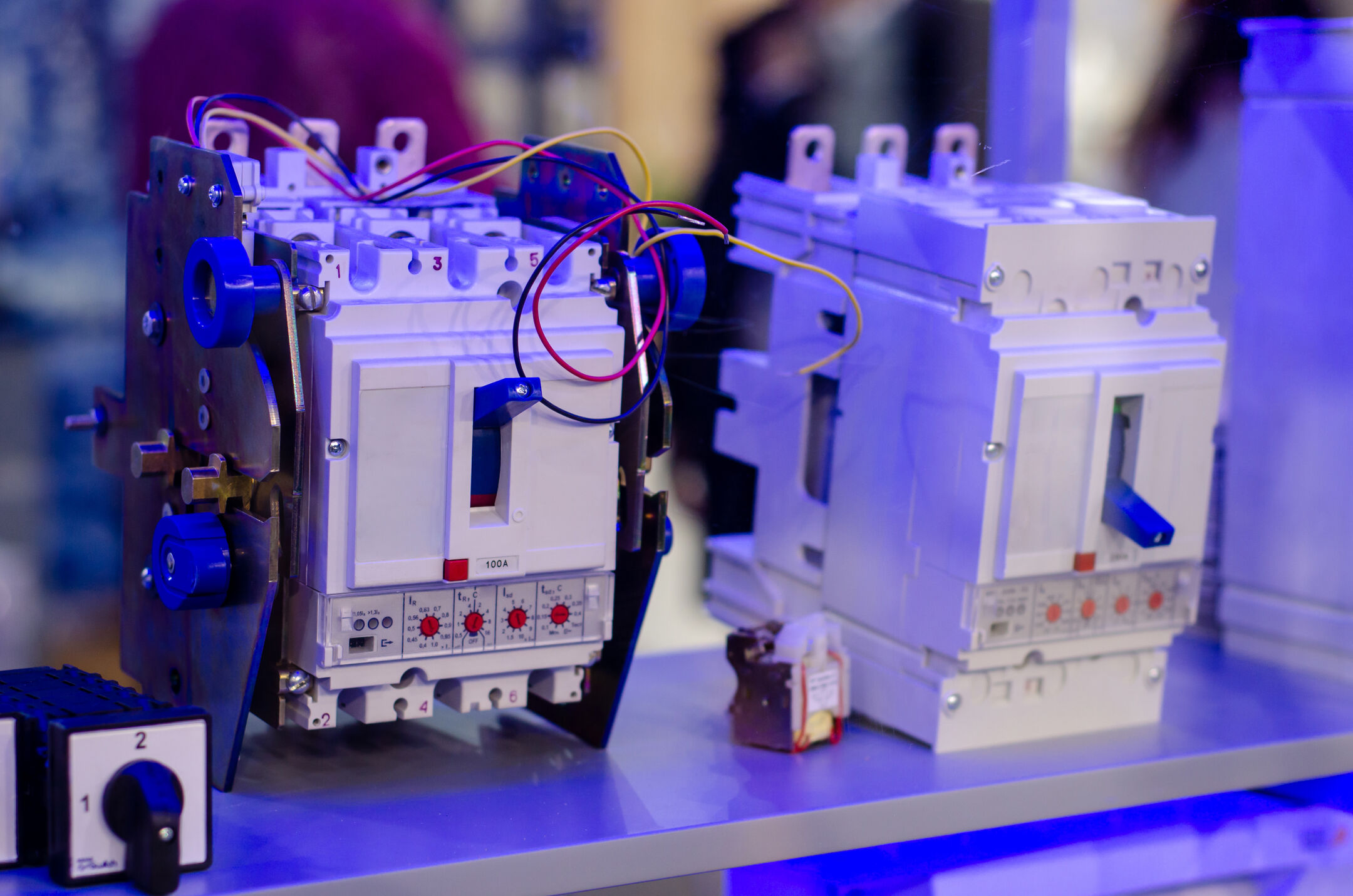
A manual transfer switch is a dedicated panel with a handle that you move to change from utility power to generator power. You start the generator, connect it, and flip the switch yourself. This type is the most affordable and is commonly paired with portable generators. It does require you to be home and willing to go outside to set it up during an outage.
Automatic Transfer Switches
An automatic transfer switch senses when utility power fails, signals the generator to start, and transfers the load without any action from you. When utility power returns, it transfers back and shuts the generator down. This is the standard pairing for permanently installed standby generators, and it is the best choice for homes with medical needs, vacation properties, or any situation where you may not be home during an outage.
Interlock Kits
Some jurisdictions allow a mechanical interlock device installed on the main electrical panel that prevents the main breaker and the generator breaker from being on at the same time. Interlocks can be an economical option for portable generators, but they must be approved for your specific panel, permitted where required, and installed by a licensed electrician. They are not a do-it-yourself project.
How to Choose and Install the Right Transfer Switch

Selecting the right switch starts with understanding your home’s electrical service and your goals during an outage. A short planning conversation with an electrician can save money and prevent mistakes.
| Feature | Manual Switch | Automatic Switch | Interlock Kit |
| Operation | You flip the switch yourself | Fully automatic | You operate breakers in a set sequence |
| Best paired with | Portable generators | Standby generators | Portable generators, where code allows |
| Typical convenience | Moderate | Highest | Moderate |
| Circuits served | Selected circuits on a dedicated panel | Selected circuits or whole home | Any circuit on the panel, within generator capacity |
| Relative cost | Lower | Higher | Lowest |
| Professional installation | Required | Required | Required |
Sizing the Switch
The transfer switch must be rated for the amperage of the circuits or service it will carry. A whole-home switch must match your electrical service size, while a smaller panel serves selected circuits. An electrician performs a load calculation to confirm that the switch, the generator, and the home’s wiring all match.
What the Installation Involves
Installation includes mounting the switch near the main panel, connecting it to the utility feed and the generator, wiring the selected circuits, labeling everything clearly, and testing the system under real conditions. For homes in Farmington Hills, MI and surrounding areas, the work must also be permitted and inspected according to local requirements.
Questions to Ask Before You Hire
Ask whether the switch is listed for your application, whether the contractor will handle permits, how the circuits will be selected, and what testing is included at the end of the job. Confirm that the electrician is licensed and insured, and ask for a written scope that lists equipment, labor, and warranty terms.
Connect Your Generator the Safe Way
A generator without a transfer switch is an incomplete system. The seven reasons above show how a proper switch protects lineworkers, your family, your appliances, and your investment, while giving you access to the circuits that matter most during an outage. It is a modest part of the overall cost that makes the entire setup safe and legal.
When you are ready to add a transfer switch or connect a generator the right way, Rolls Mechanical serves homeowners throughout Farmington Hills, MI and surrounding areas with licensed electricians who handle the design, permits, installation, and testing. Contact us today to schedule a consultation and find out which transfer switch is the right match for your home and your generator.