Upgrading your home’s hot water system can dramatically improve daily comfort and efficiency. tankless water heater installation is a modern solution that delivers hot water on demand while reducing energy waste. Many homeowners begin their upgrade journey by exploring options like expert plumbing services to ensure everything is installed safely and performs reliably for years to come.
In this guide, you will learn:
- Why tankless systems are a valuable home upgrade
- A complete step by step installation overview
- Important factors to consider before switching
- How tankless compares to traditional systems
- Tips for maximizing performance and lifespan
Why Homeowners Are Choosing Tankless Water Heater Installation

Tankless systems have become increasingly popular for homeowners who want efficiency, reliability, and long term value. Instead of storing hot water in a tank, these systems heat water only when needed, which changes how energy is used in your home.
For homeowners in Ann Arbor, MI and surrounding areas, this upgrade often leads to noticeable improvements in both comfort and utility costs.
- On Demand Performance: Hot water is available whenever you need it without waiting for a tank to refill
- Energy Savings: Eliminates standby heat loss, reducing overall energy consumption
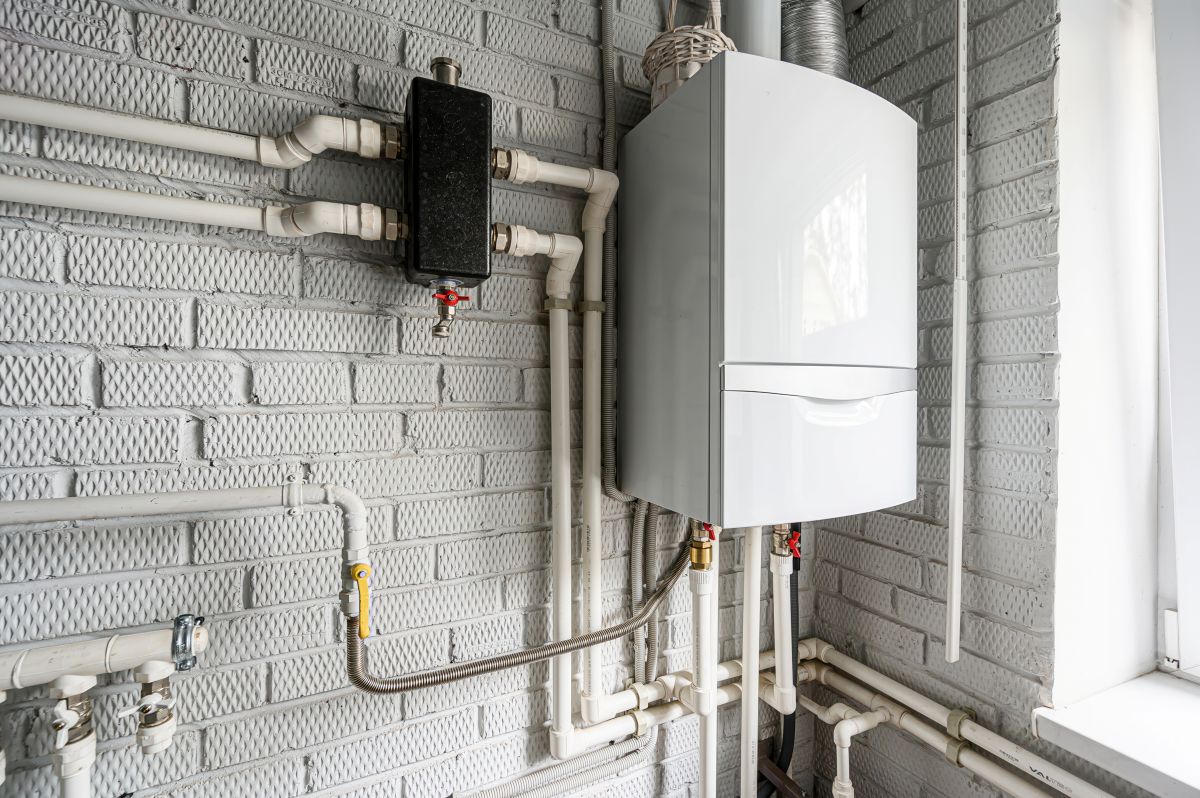
- Compact Design: Wall mounted units free up space in utility rooms or basements
- Extended Lifespan: Tankless systems often last significantly longer than traditional tanks
- Consistent Reliability: Properly installed systems deliver steady performance even during high demand
Understanding these benefits helps explain why more homeowners are making the switch to tankless technology.
10 Steps in Tankless Water Heater Installation
Installing a tankless water heater involves a detailed process that ensures safety, efficiency, and long term performance. While professionals handle the technical work, knowing these steps helps you understand what to expect.
1. Evaluating Household Water Demand
Before choosing a system, it is essential to determine how much hot water your household uses. This helps ensure the unit can handle simultaneous usage.
Factors such as bathrooms, appliances, and family size all play a role.
- Calculate peak water usage times
- Identify simultaneous hot water needs
- Consider future expansion or renovations
2. Selecting the Right Tankless System
Choosing the correct unit is critical for performance. Systems vary based on fuel type, size, and output capacity.
Homeowners can choose between gas and electric models depending on their home setup.
- Gas systems provide higher output for larger homes
- Electric units are easier to install in smaller spaces
- Efficiency ratings vary by manufacturer
3. Choosing the Installation Location
Placement affects both performance and accessibility. The unit must be installed in a location that meets ventilation and clearance requirements.
Technicians also ensure the location allows for easy maintenance access.
- Maintain proper clearance around the unit
- Ensure proximity to water lines
- Confirm structural support for mounting
4. Upgrading Gas or Electrical Systems
Tankless systems often require more power than traditional units. This may involve upgrading your gas line or electrical panel.
Proper upgrades ensure safe and efficient operation.
- Increase gas line capacity if needed
- Install dedicated electrical circuits
- Ensure compliance with local building codes
5. Removing the Existing Water Heater
The old tank water heater must be safely disconnected and removed before installing the new system.
This process involves shutting off utilities and draining the tank completely.
- Turn off water supply and power
- Drain the tank fully
- Dispose of the unit according to regulations
6. Mounting the Tankless Unit

The new unit is securely mounted to the wall. Proper installation ensures stability and optimal performance.
Professional installation reduces the risk of errors or future issues.
- Use secure mounting brackets
- Ensure level positioning
- Verify accessibility for servicing
7. Connecting Water Lines
The system is connected to both cold water supply and hot water output lines. Proper connections are essential to prevent leaks and ensure consistent flow.
- Install shut off valves for maintenance
- Use high quality fittings and connections
- Test for leaks after installation
8. Installing Venting Systems
Gas powered units require proper venting to safely remove exhaust gases. This step is critical for both safety and efficiency.
- Use approved vent materials
- Ensure correct vent length and direction
- Seal all connections properly
9. System Calibration and Setup
Once installed, the system must be calibrated to ensure it operates correctly. This includes setting temperature levels and testing performance.
- Adjust temperature settings
- Check flow rates
- Verify system response time
10. Final Testing and Inspection
The final step ensures everything is functioning properly. Technicians test the system under real conditions to confirm performance.
Homeowners in Ann Arbor, MI and surrounding areas benefit from professional inspections that guarantee reliability.
- Check for leaks and proper connections
- Test water temperature consistency
- Confirm safe and efficient operation
Key Considerations Before Making the Switch
Before moving forward with a tankless upgrade, it is important to evaluate several factors that can influence your experience and long term satisfaction.
Upfront Cost vs Long Term Value
Tankless systems typically require a higher initial investment. However, their energy efficiency and longer lifespan often offset this cost over time.
Home Infrastructure Requirements
Older homes may need upgrades to gas lines or electrical systems. Understanding these requirements helps avoid surprises during installation.
Water Usage Habits
Knowing how your household uses hot water ensures the system you choose can handle demand without interruptions.
Maintenance Expectations
While tankless systems require less frequent maintenance, regular servicing is still important for optimal performance.
Homeowners in Ann Arbor, MI and surrounding areas often find that proper planning leads to a smoother installation process and better long term results.
Tankless vs Traditional Water Heaters: Which Is Right for You

Choosing between a tankless and traditional water heater depends on your priorities, budget, and household needs. Each option has its own strengths.
| Feature | Tankless System | Traditional Tank |
| Hot Water Supply | Continuous on demand | Limited by tank size |
| Energy Efficiency | High efficiency | Lower due to standby loss |
| Installation Cost | Higher upfront | Lower upfront |
| Lifespan | Longer lifespan | Shorter lifespan |
| Space Usage | Compact wall mounted | Requires floor space |
| Maintenance | Periodic servicing | Routine maintenance |
Understanding these differences helps homeowners make informed decisions based on their specific needs.
When Tankless Makes the Most Sense
Tankless systems are ideal for homeowners who want energy savings, consistent hot water, and long term reliability.
They are especially beneficial for larger households or homes with high hot water demand.
When Traditional Systems May Still Work
In some cases, traditional tanks may be suitable for smaller households or situations where upfront cost is a primary concern.
Evaluating both options ensures you choose the system that fits your lifestyle and budget.
Upgrade Your Home With Tankless Water Heater Installation
Investing in a tankless water heater is a smart way to improve comfort, efficiency, and overall home value. With proper installation and maintenance, these systems provide reliable hot water for years to come.
If you are considering tankless water heater installation in Ann Arbor, MI and surrounding areas, the experienced team at Rolls Mechanical is ready to help. Their knowledge and attention to detail ensure your system is installed correctly and performs at its best.
Take the next step toward a more efficient home and contact us today to schedule your installation with Rolls Mechanical and enjoy the benefits of modern hot water solutions.