Most homeowners do not think about their sewer line until something goes wrong, and by the time it does, the problem has usually been building for months. A clogged or compromised sewer line does not give much warning before it causes backups, water damage, and costly repairs. Knowing the signs that sewer drain cleaning is overdue can be the difference between a routine service call and a full plumbing emergency. The way that waste and water move through your plumbing system depends on a main sewer line that stays clear, and most systems need more attention than they get.
In this guide, you will learn:
- Why sewer drain cleaning matters and what happens when it is neglected
- The 7 warning signs that tell you your sewer line needs immediate attention
- How different sewer cleaning methods compare and when each is appropriate
- A practical preventive maintenance schedule to keep your sewer line clear year-round
- When a slow drain is a minor inconvenience versus a sewer system emergency
What Actually Builds Up Inside a Sewer Line

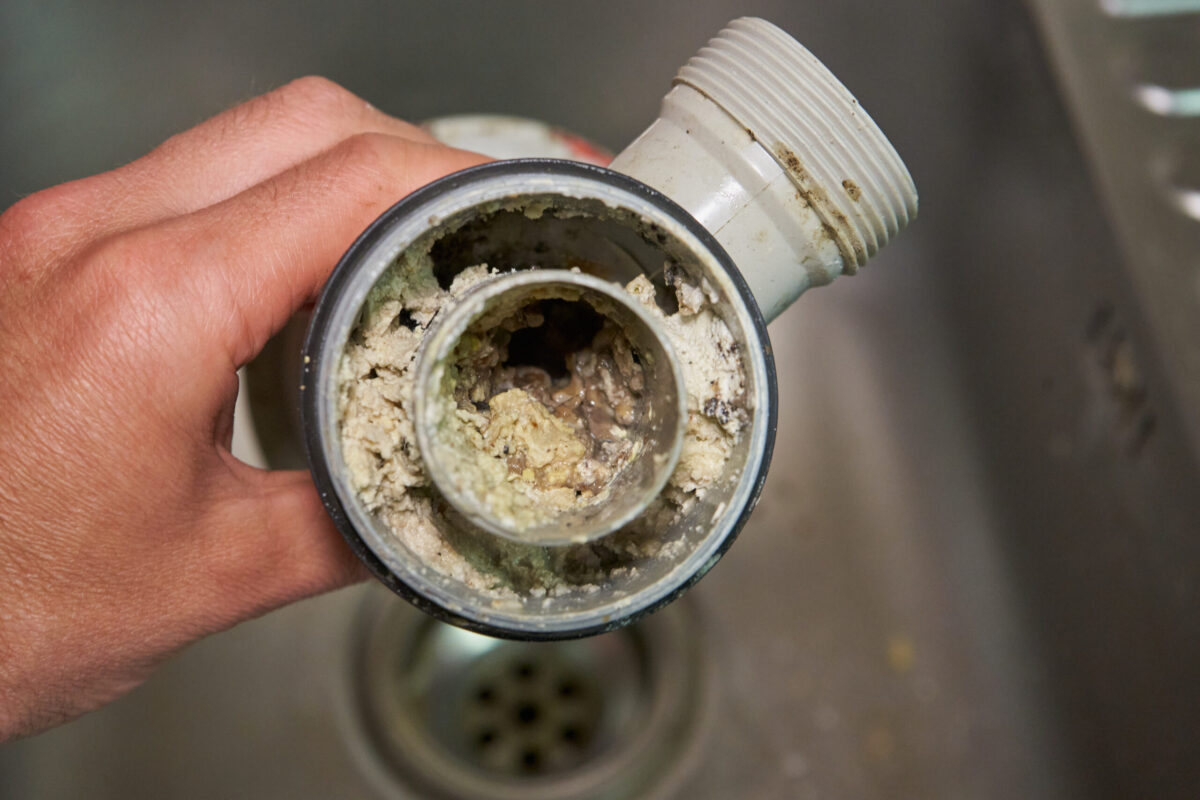
Understanding what causes sewer lines to clog helps explain why the warning signs show up the way they do and why regular maintenance prevents problems that chemical treatments can never fully address. A sewer line carries everything that leaves your home through a single main pipe before it connects to the municipal sewer system or a septic tank. Over time, that pipe accumulates layers of material that narrow the interior and eventually restrict flow enough to cause visible symptoms throughout the home.
For homeowners in Lansing, MI and surrounding areas, older municipal infrastructure and aging residential plumbing materials compound the problem. Decades-old clay tile sewer lines are still common in many neighborhoods, and their joints and porous surfaces create ideal conditions for root intrusion and grease accumulation that modern PVC pipes resist more effectively.
- Grease and Fat Buildup: Cooking grease poured down kitchen drains cools and solidifies on pipe walls, accumulating into a thick coating that narrows the pipe diameter over time. This buildup catches other debris and accelerates clog formation at a predictable rate.
- Tree Root Intrusion: Roots follow moisture and nutrient sources into sewer lines through cracks, offset joints, and loose connections. Once inside, they grow rapidly and can fill a pipe completely within a few seasons if left untreated.
- Scale and Mineral Deposits: Hard water leaves calcium and mineral deposits on pipe interiors over years of use, gradually reducing the effective diameter of the line and creating rough surfaces that trap other debris more easily.
- Non-Flushable Materials: Wipes, paper towels, hygiene products, and other materials that should never enter a sewer system do so regularly and accumulate at bends, joints, and areas of existing partial blockage.
- Structural Deterioration: Older pipes crack, sag, and offset over time due to ground movement, root pressure, and material degradation. Low spots in the line create areas where solids settle and accumulate rather than flowing through to the main.
7 Signs Your Plumbing System Needs Sewer Drain Cleaning
These signs range from easy to dismiss to impossible to ignore, but all of them are telling you the same thing: the sewer line needs attention. The earlier you respond to the subtle signs, the less likely you are to end up dealing with the more serious and expensive consequences at the end of this list.
1. Multiple Slow Drains Throughout the House
A single slow drain is usually a localized problem in the branch line serving that fixture. When two or more drains in different parts of the house are slow at the same time, the problem is almost certainly in the main sewer line rather than any individual fixture.
This is one of the earliest and most telling signs of a developing sewer blockage, and it appears well before a full backup occurs. If your kitchen sink, bathroom sink, and shower are all draining slowly at the same time, sewer drain cleaning should be scheduled as soon as possible rather than treated as a minor inconvenience.
- Check all drains in the house systematically when any single drain develops a slow issue to assess whether the problem is isolated or system-wide
- Slow drains that do not respond to standard drain-clearing methods are almost always a sewer line issue rather than a fixture-level clog
- Note whether hot water seems to drain more slowly than cold, as this can indicate grease accumulation in the line
2. Gurgling Sounds From Drains or Toilets
When air becomes trapped in a partially blocked sewer line, it gets displaced every time water moves through the system and forces its way out through the nearest available opening, which is usually a toilet or a floor drain. The gurgling sound that results is the air bubbling up through the water in the fixture trap.
Gurgling that appears in a toilet after running the washing machine, or in a bathroom sink after flushing a toilet, is a reliable indicator that there is a partial obstruction in the sewer line that is disrupting normal airflow and drainage. This sign should not be ignored, as it typically progresses to a full backup within weeks to months if the line is not cleaned.
3. Sewage Odors Inside the Home

A properly functioning plumbing system keeps sewer gases confined to the sewer line through water seals in every fixture trap and a properly vented drain system. When a sewage odor becomes noticeable inside the home with no obvious source, it often means that a significant buildup in the sewer line is producing gas at a rate that is overwhelming the traps or escaping through a compromised section of the pipe.
Persistent sewage odors indoors are also a possible sign of a cracked sewer line beneath the foundation or in a crawl space, where gases escape through the crack rather than flowing to the vent stack. In either case, a camera inspection combined with sewer drain cleaning is the appropriate response.
- Sewer odors that appear and disappear may indicate a trap that is drying out from infrequent use rather than a main line problem
- A consistent odor that does not clear after running water in all fixtures is more likely a sewer line issue
- Never use air fresheners as a long-term response to sewage odors, as this masks a problem that will worsen over time
4. Sewage Backup in Lower Fixtures
When the sewer line becomes sufficiently blocked, wastewater has nowhere to go and backs up into the lowest fixtures in the home, typically floor drains, basement toilets, and bathtubs. This is the most urgent sign on this list and one that indicates the blockage is severe enough to require immediate professional service.
For homeowners in Lansing, MI and surrounding areas, basement sewage backups are particularly common during heavy rain events when municipal sewer systems become pressurized and push back into residential lines that have partial blockages. Sewer drain cleaning that removes the existing buildup restores the capacity that prevents rain-related backups from occurring.
- Never run water or flush toilets when sewage is backing up into basement fixtures, as this adds volume to an already overwhelmed system
- Raw sewage backup is a health hazard that requires professional cleanup in addition to line clearing
- A backwater valve installed on the main sewer line prevents municipal pressure surges from forcing sewage back into the home
5. Lush, Unusually Green Patches in the Yard
Sewage is an effective fertilizer, and a sewer line that is leaking through cracks or offset joints beneath the yard will produce noticeably greener, faster-growing grass directly above the pipe. This is an easy sign to dismiss as random variation in lawn growth, but when the pattern corresponds to the path of the buried sewer line, the explanation is almost always a leaking pipe rather than unusual soil conditions.
This sign indicates not just a blockage but a structural failure in the pipe itself, which requires a camera inspection to assess the extent of the damage before a repair or replacement decision can be made. Sewer drain cleaning alone will not resolve a cracked or leaking pipe, though it is often performed as part of the same service visit to restore flow before the structural repair is addressed.
6. Foundation Cracks or Settling
A sewer line that has been leaking beneath or near a foundation for an extended period can erode the soil that supports the foundation, leading to settling, sinking, and cracking that is expensive and disruptive to repair. This is a less common but serious consequence of an untreated sewer leak that has gone undetected for months or years.
Foundation movement that appears alongside any of the other signs on this list warrants an immediate plumbing camera inspection to determine whether a leaking sewer line is contributing to the structural issue. Addressing the plumbing problem early prevents the foundation repair from becoming more extensive than it already is.
7. Recurring Clogs in the Same Location
A drain that clogs repeatedly within weeks of being cleared is telling you that the root cause was never addressed. Recurring clogs in the same drain almost always indicate a buildup problem in the sewer line downstream of that fixture, where the partial obstruction re-accumulates quickly after each clearing because the line was never fully cleaned.
This pattern is particularly common with grease-heavy kitchen lines and with bathroom drains that serve heavy-use fixtures. Hydro jetting the full length of the sewer line removes the entire buildup from the pipe wall rather than simply punching a hole through the clog, which is why it resolves recurring blockages that drain snaking alone cannot eliminate permanently.
Sewer Cleaning Methods Compared
Not all sewer drain cleaning methods produce the same results, and the right approach depends on what is causing the blockage, the condition of the pipe, and the severity of the buildup. Here is how the most common methods compare:
Drain Snaking
A drain snake, or mechanical auger, uses a rotating cable to break through a clog or hook debris and pull it back out of the pipe. It is the fastest and least expensive method and works well for simple, isolated blockages caused by accumulated hair, paper, or foreign objects.
Snaking punches a hole through a clog but does not remove the buildup from the pipe walls, which means the clog often reforms within weeks to months. It is appropriate for emergency clearing when a drain is completely blocked, but it is not a long-term solution for lines with significant grease or scale accumulation.
- Best for: Acute blockages, hair clogs, isolated paper accumulation
- Not ideal for: Grease buildup, root intrusion, recurring clogs, scale
Hydro Jetting
Hydro jetting delivers a high-pressure stream of water through a specialized nozzle that scours the entire interior circumference of the pipe, removing grease, scale, mineral deposits, and soft root intrusion simultaneously. The result is a pipe that is as close to its original interior diameter as possible without removing the pipe itself.
This method is the most effective for sewer drain cleaning in lines with significant buildup, commercial kitchens, and properties with root intrusion that has not yet hardened into a rigid mass. It requires a camera inspection first to confirm the pipe condition can withstand the pressure.
- Best for: Grease buildup, recurring clogs, scale, preventive maintenance, commercial lines
- Not ideal for: Fragile or severely deteriorated pipes, rigid root masses, acute single-fixture blockages
Camera Inspection and Targeted Repair
When a sewer line has structural damage, camera inspection is necessary to locate the exact point of failure before any cleaning or repair can be performed effectively. A plumbing camera provides real-time video of the pipe interior, identifying cracks, offset joints, root intrusion, and pipe belly locations that explain why cleaning alone has not resolved a recurring problem.
For homeowners in Lansing, MI and surrounding areas with older homes and original sewer lines, a camera inspection is often the most valuable first step when symptoms suggest a sewer problem, as it eliminates guesswork and defines the scope of the work before any decisions are made.
A Practical Sewer Maintenance Schedule

The most effective approach to sewer drain cleaning is not reactive. Addressing the line before it becomes symptomatic prevents the inconvenience of backups, protects the pipe from the kind of root and grease accumulation that accelerates structural wear, and keeps cleaning costs predictable rather than emergency-driven.
For Residential Properties
Most residential sewer lines benefit from professional hydro jetting every two to three years as a standard maintenance interval. Homes with mature trees near the sewer line, high cooking volume, or a history of recurring clogs should consider annual service rather than waiting for signs to reappear.
Between professional cleanings, these habits reduce buildup rate significantly:
- Never pour grease, oil, or fat down any drain in the home
- Use a drain screen in every shower and tub to catch hair before it enters the line
- Flush drains monthly with very hot water to slow grease accumulation
- Never flush wipes, paper towels, or hygiene products regardless of labeling
For Commercial Properties
Commercial kitchens, multi-unit residential buildings, and facilities with high plumbing usage should schedule sewer drain cleaning more frequently, typically every six to twelve months depending on the volume of use. Grease interceptors should be pumped on a regular schedule to prevent overflow into the main sewer line, and drain lines should be camera-inspected annually to catch developing issues before they result in a backup during business hours.
For property managers throughout Lansing, MI and surrounding areas overseeing older buildings or multi-unit residential properties, a documented sewer maintenance program also provides protection in the event of a dispute over who is responsible for a sewer backup and its associated damages.
Schedule Your Sewer Drain Cleaning Before the System Tells You To
The seven signs above represent a progression from early warnings to urgent problems, and acting on the early ones is always less expensive and less disruptive than waiting for the later ones to force the issue. A sewer line that gets regular attention through professional cleaning does not back up, does not develop the kind of severe root intrusion that requires pipe repair, and does not surprise anyone with a sewage backup on a weekend morning.
Rolls Mechanical serves homeowners and property managers throughout Lansing, MI and surrounding areas with licensed sewer drain cleaning using the right method for the right situation, backed by camera inspection to confirm the work was effective and the line is clear. Contact us today to schedule a sewer inspection and cleaning before the warning signs on this list have a chance to become something worse.