Proper pipe insulation is one of the simplest yet most effective ways to protect your home’s plumbing system and improve energy efficiency. Whether you are dealing with cold winters or trying to reduce energy costs, insulating your pipes can make a noticeable difference. Many homeowners explore reliable solutions like professional plumbing services to ensure their systems are protected and performing at their best year round.
In this guide, you will learn:
- The key benefits of insulating your pipes
- Step by step instructions for installation
- The best materials to use for different situations
- Common mistakes to avoid
- How to maintain insulation for long term results
Why Pipe Insulation Is a Smart Home Upgrade

Pipe insulation is often overlooked, but it plays a critical role in maintaining your home’s efficiency and preventing costly damage. From reducing heat loss to protecting against freezing, this simple upgrade delivers long term value.
For homeowners in Hartland, MI and surrounding areas, pipe insulation is especially important during colder months when temperatures can drop quickly.
- Freeze Protection: Helps prevent pipes from freezing and bursting during extreme cold
- Energy Savings: Reduces heat loss from hot water pipes, lowering energy bills
- Improved Water Temperature: Maintains consistent hot water temperatures for faster delivery
- Condensation Control: Prevents moisture buildup on cold pipes, reducing the risk of mold
- Noise Reduction: Minimizes sounds caused by water movement within pipes
These benefits make pipe insulation a practical and cost effective improvement for any home.
8 Steps to Install Pipe Insulation Properly
Installing pipe insulation is a manageable project for many homeowners, but it requires careful attention to detail to ensure effectiveness.
1. Identify Pipes That Need Insulation
Start by determining which pipes would benefit most from insulation. Focus on exposed pipes in unheated areas such as basements, crawl spaces, and garages.
- Look for pipes along exterior walls
- Check areas with limited heating
- Prioritize both hot and cold water lines
2. Choose the Right Insulation Material
Different materials offer varying levels of protection and flexibility. Selecting the right type ensures optimal performance.
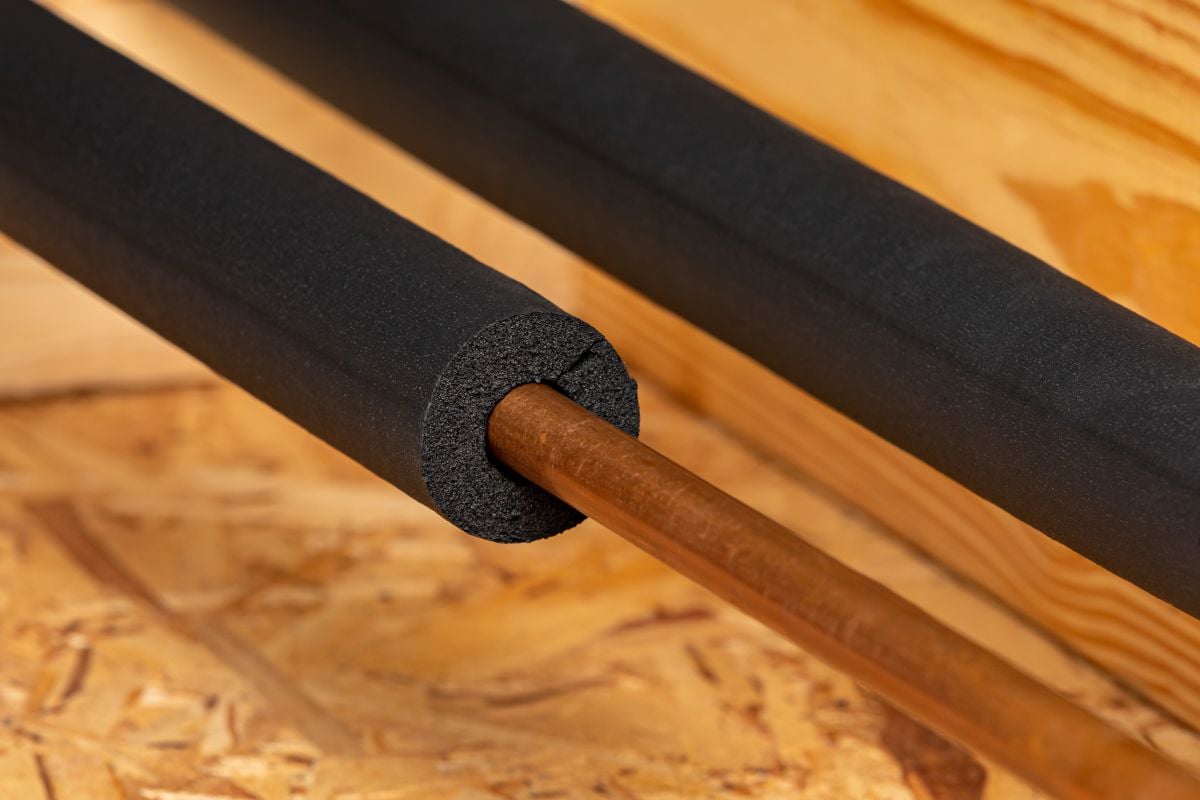
Common options include foam, fiberglass, and rubber insulation.
- Foam is easy to install and cost effective
- Fiberglass provides higher temperature resistance
- Rubber offers flexibility for tight spaces
3. Measure Pipe Length and Diameter
Accurate measurements ensure a proper fit and minimize gaps in insulation coverage.
- Measure the length of each pipe section
- Determine pipe diameter for correct sizing
- Account for bends and joints
4. Cut Insulation to Fit
Cut insulation sections to match the length of your pipes. Clean cuts help create a tight seal.
- Use a utility knife for precision
- Ensure edges align properly
- Avoid leaving exposed gaps
5. Install Insulation Around Pipes
Wrap or snap the insulation around the pipe, depending on the type you are using.
Make sure the insulation fits snugly without compressing too tightly.
- Align seams along the length of the pipe
- Ensure full coverage of exposed surfaces
- Adjust for bends and corners
6. Seal the Seams
Sealing the seams prevents heat loss and ensures the insulation remains secure.
- Use insulation tape or adhesive strips
- Press seams firmly to eliminate gaps
- Check for loose sections
7. Insulate Valves and Fittings
Valves and joints are often overlooked but can be major sources of heat loss.
- Use smaller pieces of insulation
- Wrap carefully around irregular shapes
- Secure with tape for a tight fit
8. Inspect and Test Your Work
After installation, review your work to ensure all pipes are properly insulated.
Homeowners in Hartland, MI and surrounding areas benefit from thorough inspections that confirm effective coverage.
- Check for exposed areas
- Ensure all seams are sealed
- Monitor performance during temperature changes
Choosing the Best Pipe Insulation Materials

Selecting the right material is essential for achieving the best results. Each type of insulation offers unique advantages depending on your needs.
Foam Insulation
Foam is one of the most popular choices due to its ease of installation and affordability.
- Lightweight and flexible
- Ideal for residential use
- Provides good thermal protection
Fiberglass Insulation
Fiberglass is commonly used for high temperature applications and offers strong insulation performance.
- Suitable for hot water pipes
- Provides excellent heat retention
- Requires careful handling during installation
Rubber Insulation
Rubber insulation is known for its flexibility and durability, making it ideal for complex piping systems.
- Resistant to moisture and condensation
- Works well in tight spaces
- Long lasting and durable
Understanding these options helps you choose the best material for your home.
Common Mistakes to Avoid When Insulating Pipes
Even a simple project like pipe insulation can lead to problems if not done correctly. Avoiding common mistakes ensures better results and long term performance.
- Leaving Gaps in Insulation: Gaps reduce effectiveness and allow heat loss or cold air exposure.
- Using Incorrect Materials: Choosing the wrong insulation type can limit performance and durability.
- Skipping Valves and Joints: Uninsulated fittings can significantly reduce overall efficiency.
- Improper Sealing: Loose seams can cause insulation to shift and lose effectiveness over time.
Homeowners in Hartland, MI and surrounding areas often see better results when they pay attention to these details.
Comparing Insulated vs Uninsulated Pipes

Understanding the difference between insulated and uninsulated pipes highlights the value of this upgrade.
| Feature | Insulated Pipes | Uninsulated Pipes |
| Heat Retention | High | Low |
| Freeze Risk | Reduced | Increased |
| Energy Efficiency | Improved | Lower |
| Condensation | Minimal | More likely |
| System Longevity | Extended | Shorter |
Long Term Benefits of Insulation
Insulated pipes provide consistent performance and reduce the likelihood of costly repairs.
Risks of Skipping Insulation
Without insulation, pipes are more vulnerable to temperature changes, which can lead to freezing, leaks, and higher energy costs.
Protect Your Home With Proper Pipe Insulation
Investing in pipe insulation is a simple yet effective way to protect your home, improve efficiency, and prevent costly plumbing issues. With the right materials and proper installation, you can enjoy consistent performance and peace of mind.
If you need assistance with pipe insulation or want to ensure your plumbing system is fully protected in Hartland, MI and surrounding areas, the team at Rolls Mechanical is ready to help. Their expertise ensures your home is prepared for changing temperatures and long term reliability.
Take the next step toward a more efficient and protected home and contact us today to schedule service with Rolls Mechanical.