Main Service Panel
3 Minute Read
Posted 3.7.24
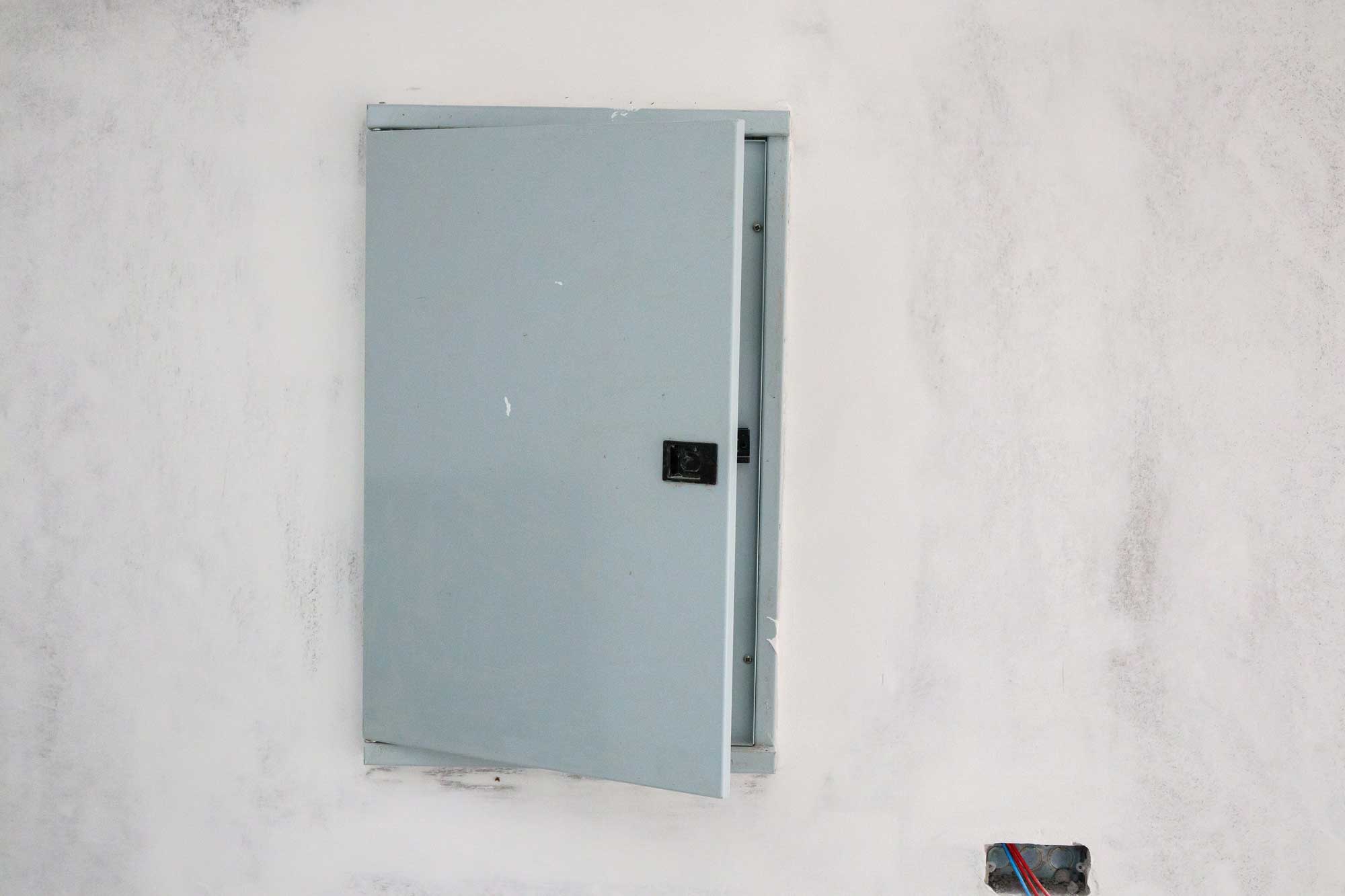
The main service panel, often referred to as the breaker box, is the central hub of your home’s electrical system. It’s where the electricity that powers your home is distributed and managed.
How It Works:
- Electricity Supply:
- The electricity enters your home through a connection to the utility company’s power lines. This supply of electricity is delivered through three main service wires—two “hot” wires and one neutral wire.
- Connection to the Main Service Panel:
- Once the electricity reaches your home, it first passes through an electric meter, which records your electricity usage. After this, the electrical service enters your home and feeds into the main service panel.
- Hot Wires:
- Inside the main service panel, the two “hot” wires are connected to large screw terminals known as lugs. These hot wires carry high voltage and are responsible for supplying all the power to your home. In many modern setups, this incoming power can be completely shut off from the outside using a dedicated disconnect switch before it ever reaches these interior lugs.
- Each hot wire is connected to one side of the panel, and they provide power to the individual circuit breakers, which then distribute electricity throughout your home. Because these components carry lethal voltage levels, relying on expert residential electricians to perform any interior box wiring is absolutely critical.
- Neutral Wire:
- The third wire, known as the neutral wire, is connected to the neutral bus bar within the service panel. This wire is crucial because it completes the electrical circuit by returning the electricity that has flowed through your home back to the utility company.
- The neutral wire balances the electrical load and ensures that electricity flows smoothly through your home’s electrical system.
- Circuit Breakers:
- The circuit breakers in the panel act as safety devices. Each breaker controls a specific circuit in your home, such as the wiring for your kitchen, living room, or bedroom.
- If there’s an electrical overload or short circuit, the breaker will “trip,” cutting off the flow of electricity to prevent damage or fire hazards.
- Completing the Circuit:
- When you turn on an appliance or light in your home, electricity flows from the main service panel through the hot wires to the device. After the electricity powers the device, it travels back through the neutral wire to the panel, and then back to the utility company, completing the electrical circuit.
Understanding why these breakers trip is crucial, and reviewing these 10 tips for electrical safety at home will help you avoid plugging too many high-wattage appliances into a single circuit.
In Summary:
The main service panel is the heart of your home’s electrical system, distributing power safely and efficiently. It manages the flow of electricity from the utility company to your home and back, ensuring that your lights, appliances, and electronics have the power they need to operate. Understanding the role of the main service panel helps you appreciate the complexity and importance of a well-maintained electrical system. Bringing in professional electrical contractors for a routine annual inspection guarantees this vital hub remains safe, efficient, and fully up to code.
Your main service panel is the backbone of your home’s infrastructure, working tirelessly to keep your power stable and safe. Because this system manages everything from lighting to heavy-duty appliances, even minor issues or outdated components can lead to inefficiency or unexpected power interruptions. If you are experiencing frequent breaker trips or simply want a professional assessment to ensure your panel is operating at peak performance, contact Rolls Mechanical to schedule an inspection and keep your home’s electrical heart beating strong.
Stay in the loop with updates from the BEST team doing the BEST work—delivered straight to your inbox.