
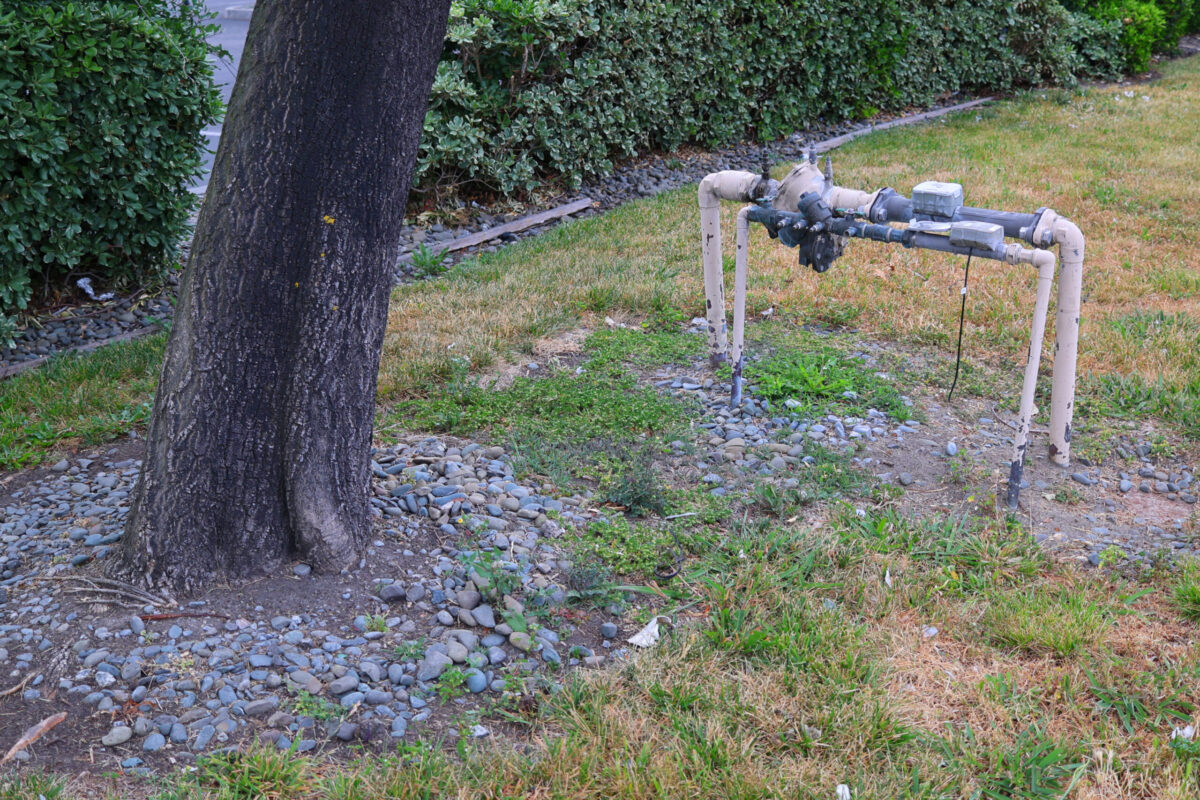
Installing a backflow prevention device on an irrigation system is not optional in most municipalities, and skipping it is not a risk worth taking. Without protection, the water in your irrigation lines, which carries fertilizers, pesticides, and soil contamination, can be pulled back into the potable water supply during a pressure drop or water main event. Knowing how to properly install an irrigation backflow preventer protects your household’s water supply and keeps your system code-compliant. The same attention to detail that goes into maintaining the rest of your plumbing system to keep water moving safely applies directly to this installation.
In this guide, you will learn:
- Why an irrigation backflow preventer is required and what it protects against
- The 7 steps to install one correctly from start to finish
- Which type of backflow preventer is right for your irrigation system
- Common installation mistakes that lead to leaks, failed inspections, and code violations
- When to call a licensed plumber rather than attempting installation yourself
Why an Irrigation Backflow Preventer Is Not Optional

Every irrigation system connected to a municipal water supply creates a cross-connection, which is a direct link between a potentially contaminated source and the drinking water supply. Irrigation lines sit in soil that contains fertilizers, herbicides, pesticides, animal waste, and other contaminants. Under normal operating pressure, water flows from the supply into the irrigation system without issue. But pressure differentials, water main breaks, pump activation, and firefighting demand can all create a backflow condition where the pressure relationship reverses.
In Birmingham, MI and surrounding areas, municipal water codes require approved backflow prevention assemblies on all irrigation systems connected to the public water supply. Failure to comply can result in failed inspections, fines, water service disconnection, and liability if a contamination event is traced to an unprotected cross-connection on your property.
- Drinking Water Protection: A properly installed irrigation backflow preventer physically prevents contaminated irrigation water from entering the potable supply, protecting everyone in the household from exposure to pesticides, fertilizers, and pathogens.
- Code Compliance: Nearly all municipalities classify irrigation systems as a health hazard cross-connection that requires a tested, approved backflow prevention assembly. Installation is a code requirement, not a recommendation.
- Liability Protection: If a contamination event occurs and your system lacks required backflow prevention, you bear liability for any harm caused. Proper installation eliminates that exposure.
- Insurance Requirements: Homeowner’s insurance policies may not cover water contamination claims arising from an irrigation system that was not installed to code, making compliance a financial protection issue as well.
- System Longevity: Backflow conditions that cycle repeatedly without a preventer in place can damage pressure regulators, valves, and other irrigation components over time, adding repair costs that a simple device installation would have avoided.
7 Steps To Install an Irrigation Backflow Preventer
This installation guide covers the process for a pressure vacuum breaker (PVB) or reduced pressure zone (RPZ) assembly, which are the two most commonly required types for residential irrigation systems. Confirm which type your local code requires before purchasing any equipment, as the installation process has some differences between the two and the type cannot always be substituted.
1. Verify Local Code Requirements and Pull a Permit
Before purchasing any equipment or touching any pipe, confirm the specific backflow preventer type required by your municipality and whether a permit is needed for the installation. In Birmingham, MI and surrounding areas and most Michigan municipalities, irrigation backflow prevention installations on systems connected to the public water supply require a licensed plumber and a permit in addition to annual testing.
Contact your local water authority or building department to confirm the required assembly type, the approved installation location, and whether your jurisdiction requires a licensed plumber to perform the work or just to certify the completed installation.
- Keep a record of the permit application and approval for your property file
- Confirm whether the permit requires a licensed plumber signature, a licensed backflow tester certification after installation, or both
- Ask whether the installation must be inspected in person before the system is activated
2. Gather the Right Materials and Tools
A proper installation requires the right components from the start. Substituting approved fittings with generic hardware store parts is a common source of failed inspections and premature device failure. Purchase a listed and approved backflow preventer assembly from a plumbing supply house rather than a big box retailer, as commercial-grade assemblies are required in most jurisdictions.
Basic materials and tools for a typical installation include:
- An approved backflow preventer assembly sized to match your irrigation system supply line (typically 3/4-inch or 1-inch)
- Copper or CPVC pipe and fittings appropriate for your existing supply line material
- Two full-port ball valves for shutoff on either side of the assembly
- Pipe cutter, soldering equipment or push-fit fittings, thread seal tape, and a pipe wrench
- A level to ensure the assembly is installed at the correct orientation
3. Shut Off the Water Supply and Drain the Line

Turn off the main water supply to the irrigation system at the shutoff valve closest to the point where the irrigation line branches off the home’s supply. If there is no dedicated shutoff for the irrigation system, shut off the main house supply and drain the affected line before cutting into it.
Open the irrigation valve or a hose bib downstream of the work area to release pressure and drain water from the pipe section where the backflow preventer will be installed. Do not begin cutting until you have confirmed the pipe is depressurized and water is no longer flowing.
- Use a pipe cutter rather than a hacksaw to produce a clean, square cut that will seal properly with fittings
- Allow copper pipes to cool completely before handling if you are working near recently soldered joints
- Mark the pipe with a pencil or marker to confirm the cut location before committing
4. Cut Into the Supply Line and Install Shutoff Valves
Cut into the irrigation supply line at the location specified by your local code. Irrigation backflow preventers must typically be installed downstream of the irrigation shutoff valve, at a minimum height above grade (commonly 12 inches for a PVB), and a minimum horizontal distance from any potential contaminant source.
Install a full-port ball valve immediately upstream and downstream of the space where the backflow preventer assembly will sit. These isolation valves allow the device to be serviced or replaced without shutting down the entire water supply and are required by code in most jurisdictions. Solder, press, or push-fit the valves according to the pipe material, and allow adequate cure time before applying pressure.
5. Install the Backflow Preventer Assembly
Mount the backflow preventer assembly between the two shutoff valves, confirming that the directional flow arrow on the device body points in the direction of water flow toward the irrigation system. This step is where most DIY installation errors occur: installing the device backward allows normal flow but provides no backflow protection.
For a pressure vacuum breaker, the device must be installed vertically with the bonnet pointing up and must be positioned at the required minimum height above the highest sprinkler head in the system. This elevation requirement is critical to the PVB’s function and cannot be compromised.
- Wrap all threaded connections with thread seal tape before assembly, applying the tape in the direction of the threads
- Hand tighten threaded connections first, then use a wrench for an additional one to two turns, never over-tighten
- Do not use pipe dope compound on plastic threaded fittings, as it can cause swelling and cracking
6. Restore Water Supply and Check for Leaks
Open the upstream shutoff valve slowly and allow the line to pressurize gradually. Do not open the valve all the way at once, as a sudden pressure surge can damage a new assembly before it has had time to seat properly under normal operating pressure.
Once the upstream valve is fully open, check every connection point for leaks by running your hand along each joint and watching for drips. Tighten any threaded connections that show seepage by an additional quarter turn and recheck. If a soldered or press-fit joint leaks, shut down the supply, drain the line, and remake the joint before proceeding.
- Open the downstream shutoff valve after confirming the upstream connections are leak-free
- Briefly activate the irrigation system to confirm that water flows normally through the backflow preventer and that the device does not discharge from its relief port under normal operating pressure
- A small amount of discharge from a PVB on initial startup is normal and should stop once pressure stabilizes
Choosing the Right Type of Irrigation Backflow Preventer
Not every backflow preventer is appropriate for every application, and selecting the wrong type is the most common compliance error that leads to failed inspections. Here is how the main types compare for residential irrigation use:
Pressure Vacuum Breaker (PVB)
The PVB is the most common backflow preventer type for residential irrigation systems and is approved for use in most Michigan municipalities. It must be installed at least 12 inches above the highest downstream outlet in the system and cannot be installed below grade or in a location subject to flooding or submersion.
A PVB is appropriate for irrigation systems in non-health hazard applications where the water supply pressure remains consistent and the system is not connected to any auxiliary source such as a well or reclaimed water supply.
Reduced Pressure Zone Assembly (RPZ)
The RPZ assembly provides a higher level of protection and is required in some jurisdictions for irrigation systems near potable water sources, systems using reclaimed water, or commercial properties. Unlike a PVB, an RPZ can be installed at or below grade in certain applications, though it requires a compliant drain for relief valve discharge.
An RPZ is larger and more expensive than a PVB but offers the highest level of mechanical backflow protection available for an irrigation system and is appropriate whenever a municipality requires a high-hazard level of protection.
Atmospheric Vacuum Breaker (AVB)
An AVB is a simple, inexpensive device that provides minimal backflow protection and is not acceptable as a standalone irrigation backflow preventer in most municipal codes. It may be used at individual irrigation zone valves as supplemental protection but should never be confused with an assembly-type device that satisfies a code requirement.
Common Irrigation Backflow Preventer Installation Mistakes

Even homeowners who approach this project carefully make errors that result in failed inspections or device failures within the first season. Knowing what to avoid is as important as knowing the correct installation steps.
Installing the Device Too Low
A pressure vacuum breaker installed below the required minimum height above the highest sprinkler head is non-functional as a backflow prevention device. This is the most common reason PVB installations fail their initial backflow test. Measure the height of the highest sprinkler head in the system before placing the device and confirm the installed height meets or exceeds the required clearance with room to spare.
Installing the Device Backward
As noted in the installation steps, the device must be oriented with the flow arrow pointing toward the irrigation system. A backward installation provides no protection and may also restrict normal flow, causing pressure problems in the irrigation zones. Double-check the flow direction marked on the device body before making any permanent connections.
Skipping the Isolation Valves
Isolation valves on both sides of the backflow preventer are required by code and are essential for future maintenance. Without them, every future service or annual repair requires shutting down the full water supply to the home rather than isolating just the backflow assembly. For homeowners in Birmingham, MI and surrounding areas who eventually hire a plumber for annual backflow testing, the absence of isolation valves adds time and cost to every future service visit.
Using an Unapproved Device
Not all backflow preventers sold at retail stores are listed and approved for use in municipal water systems. A device that is not on the local water authority’s approved device list will fail inspection regardless of how correctly it was installed. Purchase only from a licensed plumbing supply house and confirm the model number is on the approved list for your municipality before installation.
Failing to Schedule the Initial Test
Installation without the required certification test is treated as a non-installation by most water authorities. The permit closes, the device is not on record as compliant, and the annual testing requirement clock has never started. Schedule the initial backflow test within the timeframe specified on your permit to complete the installation correctly.
Get Your Irrigation Backflow Preventer Installed and Certified the Right Way
Installing an irrigation backflow preventer correctly the first time saves you from the frustration of failed inspections, repeated permit fees, and the liability exposure of operating a non-compliant system. Whether you are adding irrigation to a new property, bringing an existing system into compliance, or replacing a device that failed its annual test, the seven steps above give you a clear picture of what the process involves from start to finish.
When the job requires a licensed plumber, a permit, or a certified backflow tester, Rolls Mechanical is the team that homeowners and property managers in Birmingham, MI and surrounding areas trust to handle every step correctly and get the compliance documentation filed without delay. Contact us today to schedule your irrigation backflow preventer installation or certification and make sure your system is fully protected and code-compliant before the season starts.