
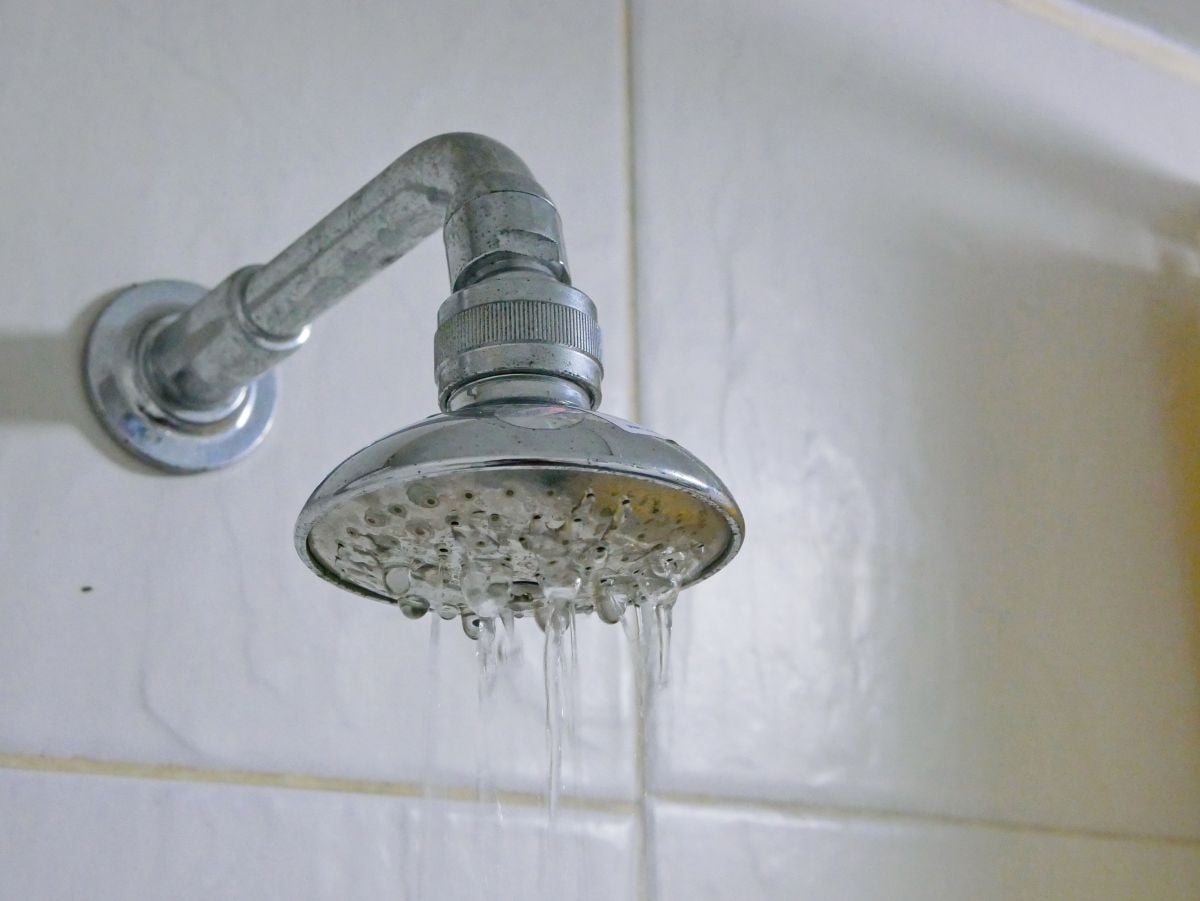
Low water pressure turns everyday tasks into frustrating ordeals. A weak shower, a faucet that barely fills a glass, or a washing machine that takes twice as long to complete a cycle are not just inconveniences. They are signs that something in your plumbing system needs attention. Knowing how to increase water pressure in house conditions correctly depends on identifying the actual cause first, and that cause is often connected to the same plumbing infrastructure that manages water movement and protection throughout your home. The right fix is closer than you think.
In this guide, you will learn:
- The most common causes of low water pressure in residential homes
- 7 practical fixes ranked from simplest to most involved
- How your pipes, fixtures, and pressure regulator all affect water flow
- When a pressure problem points to something more serious in the plumbing system
- How to prevent pressure issues from coming back after you resolve them
First, Diagnose Before You Fix

Before reaching for a wrench or calling a plumber, it is worth spending a few minutes figuring out exactly what kind of pressure problem you are dealing with. Not all low-pressure situations have the same cause, and applying the wrong fix wastes time and money while leaving the real problem in place.
Ask yourself these questions before moving to any of the fixes below:
- Is the problem in one fixture or the whole house? A single low-pressure faucet almost always points to a fixture-level issue like a clogged aerator or a partially closed shut-off valve. Whole-house low pressure is a system-level problem that requires a different approach entirely.
- Did the pressure drop suddenly or gradually? A sudden pressure drop often signals a pipe break, a valve that has been partially closed, or a municipal supply issue. Gradual pressure loss over months or years typically points to mineral buildup, a failing regulator, or corroding pipes.
- Does the pressure vary by time of day? Pressure that drops during morning and evening peak usage hours may indicate that the municipal supply line serving your area is undersized for demand rather than a problem inside your home.
- Is hot water affected more than cold? When hot water pressure is consistently lower than cold, the water heater or the shut-off valve behind it is usually the first place to look.
- Are neighboring homes experiencing the same issue? A quick conversation with neighbors can confirm whether the problem originates at the street or inside your property.
5 Easy Fixes to Increase Water Pressure in House Plumbing
Once you have a general sense of where the problem originates, work through these fixes in order from least invasive to most involved. Many homeowners in Farmington Hills, MI and surrounding areas find that one of the first three fixes resolves the issue entirely without requiring professional help or any specialized tools.
1. Check and Clean Faucet Aerators and Showerheads
The aerator is the small mesh screen screwed onto the tip of most faucets, and showerheads contain similar internal screens. Both collect mineral deposits and debris over time until the openings are partially or fully blocked, which restricts flow even when the water pressure behind it is perfectly adequate.
Unscrew the aerator by hand or with a wrench wrapped in a cloth to protect the finish. Soak it in white vinegar for an hour, scrub away any remaining deposits with an old toothbrush, and reinstall it. Do the same with the showerhead by filling a plastic bag with vinegar, securing it around the showerhead with a rubber band, and leaving it overnight.
- Replace aerators that are corroded or physically damaged rather than cleaning them, as they are inexpensive and widely available
- Check that the aerator’s flow restrictor is not too aggressive if you want higher overall flow
- Run the faucet for 30 seconds after reinstalling to flush any loosened debris from the line
2. Open Shut-Off Valves Fully
Every home has at least two main shut-off valves: one where the municipal supply enters the home and one near the water meter at the street. Both need to be fully open to allow maximum pressure into the system. It is surprisingly common for one of these valves to be left partially closed after a repair or inspection and never fully reopened.
Locate the main shut-off valve, typically found where the supply line enters the basement or crawl space, and turn it counterclockwise as far as it will go. If the valve is a ball valve, the handle should be parallel to the pipe when fully open. Check the meter valve as well, though this one may require the municipal utility to access.
3. Check the Pressure Regulator

Most homes built in the last several decades have a pressure regulating valve, also called a PRV, installed where the main supply line enters the house. This bell-shaped valve is preset at the factory, typically between 45 and 60 PSI, and maintains consistent pressure throughout the home. When the PRV fails or drifts out of adjustment, pressure throughout the entire house can drop dramatically.
Attach a water pressure gauge to an outdoor hose bib to measure your current pressure. If the reading falls below 40 PSI and your shut-off valves are fully open, the PRV is likely the culprit.
- The adjustment screw on top of the PRV can be turned clockwise to increase pressure, but do this in small increments and recheck pressure after each adjustment
- Do not exceed 80 PSI, as higher pressure accelerates wear on fixtures, appliances, and pipe joints throughout the home
- A PRV that cannot hold a consistent setting after adjustment should be replaced rather than continually readjusted
4. Flush or Replace a Water Heater Affected by Sediment
Sediment buildup inside a water heater tank reduces capacity and can partially block the outlet pipe, which explains why hot water pressure is sometimes significantly lower than cold. This is particularly common in Farmington Hills, MI and surrounding areas where hard water with high mineral content accelerates sediment accumulation.
Flushing the tank annually removes sediment before it hardens into a layer that restricts flow. Connect a garden hose to the drain valve at the bottom of the tank, run it to a floor drain or outside, turn off the cold water supply to the heater, and open the drain valve until the water runs clear. In tanks with heavy buildup, this process may need to be repeated two or three times.
- Check that the shut-off valve on the cold water supply line feeding the water heater is fully open
- Inspect the outlet pipe at the top of the tank for a partially closed valve that may have been left that way after a previous repair
- Water heaters more than 10 years old with persistent sediment problems may be more cost-effective to replace than to maintain
5. Identify and Address Pipe Corrosion or Mineral Buildup
In homes with older galvanized steel pipes, internal corrosion progressively narrows the interior diameter of the pipe until water flow is severely restricted. This type of pressure loss is gradual, which is why many homeowners in older properties do not notice it until the problem has become severe. Galvanized pipes have a service life of roughly 40 to 70 years, and pressure loss is one of the first signs that replacement is overdue.
Copper and CPVC pipes can also develop buildup in areas with very hard water, though it takes considerably longer. A plumber can inspect the interior of accessible pipe sections to assess the extent of the buildup and recommend whether targeted descaling, partial repiping, or a whole-home solution is the right course of action.
- Discolored water, a metallic taste, and visible rust at faucets are additional signs of corroding pipes
- Partial repiping of the most affected sections is often enough to restore adequate pressure without replacing the entire system
- Installing a whole-home water softener alongside pipe replacement prevents mineral buildup from recurring in the new pipes
How Water Pressure Affects Your Appliances and Fixtures
Low water pressure is not just an inconvenience. It has real consequences for the appliances and systems that depend on adequate flow to operate correctly. Understanding these downstream effects reinforces why addressing a pressure problem promptly is worth the investment.
Appliances That Require Minimum Pressure to Function
Most dishwashers require a minimum of 20 PSI to fill properly and complete wash cycles efficiently. When pressure falls below that threshold, cycles take longer, cleaning performance suffers, and the appliance may display error codes related to fill time. Washing machines face similar constraints, and some models will not advance through cycles if water fills too slowly.
Water softeners, whole-home filtration systems, and reverse osmosis units all have minimum pressure requirements that, when not met, result in incomplete treatment cycles and reduced output.
How Pressure Affects Fixture Longevity
Fixtures and faucet valves are designed to operate within a specific pressure range. Chronically low pressure causes valves and cartridges to work harder to produce usable flow, which accelerates wear. Chronically high pressure, on the other hand, stresses supply line connections, wears out fill valves in toilets, and shortens the lifespan of appliance hoses and connections.
The sweet spot for residential water pressure is between 40 and 60 PSI, with most plumbers recommending 50 PSI as the target for a balanced system that protects both fixtures and appliances equally.
Pressure Problems That Signal a Bigger Issue

Some pressure problems are straightforward and resolve cleanly with one of the fixes above. Others are symptoms of a larger plumbing issue that requires professional assessment before any fix will hold. Recognizing the difference saves time and prevents the frustration of repeatedly addressing a symptom while the underlying cause continues to worsen.
Signs Your Pressure Problem Needs Professional Diagnosis
- Pressure drops when multiple fixtures run at the same time: This can indicate an undersized main supply line, a failing PRV, or a significant buildup issue inside the distribution lines.
- Pressure fluctuates randomly throughout the day: Inconsistent pressure that changes without any obvious pattern often points to a failing PRV or a problem with the municipal supply that is worth reporting to the utility company.
- Visible signs of a leak alongside low pressure: A drop in pressure accompanied by wet spots on walls, floors, or ceilings, an unexplained increase in the water bill, or the sound of running water when all fixtures are off strongly suggests a leak somewhere in the supply system.
- Pressure loss only on the second floor or in a specific zone: This may indicate a partially blocked branch line, a closed zone valve, or a pipe diameter issue limited to that section of the home.
For homeowners in Farmington Hills, MI and surrounding areas who have worked through the basic fixes without improvement, a professional pressure test and pipe inspection will identify the root cause without guesswork and give you a clear picture of what the repair actually involves before any work begins.
Get Your Water Pressure Where It Should Be
Low water pressure makes everything in a home harder than it needs to be, and in many cases, the fix is simpler than homeowners expect once the actual cause is identified. Working through the seven fixes above in order gives you the best chance of restoring adequate flow without unnecessary expense, and knowing when to call a professional ensures that more serious underlying issues do not get missed in the process.
Whether you are dealing with a single fixture that trickles when it should flow, a whole-house pressure problem that has been getting worse for months, or a multi-story home in Farmington Hills, MI and surrounding areas where the upper floor has always been underpowered, Rolls Mechanical has the diagnostic tools and plumbing expertise to find the problem and fix it correctly the first time. Contact us today to schedule a full plumbing pressure assessment and get your home’s water pressure back to where it belongs.