
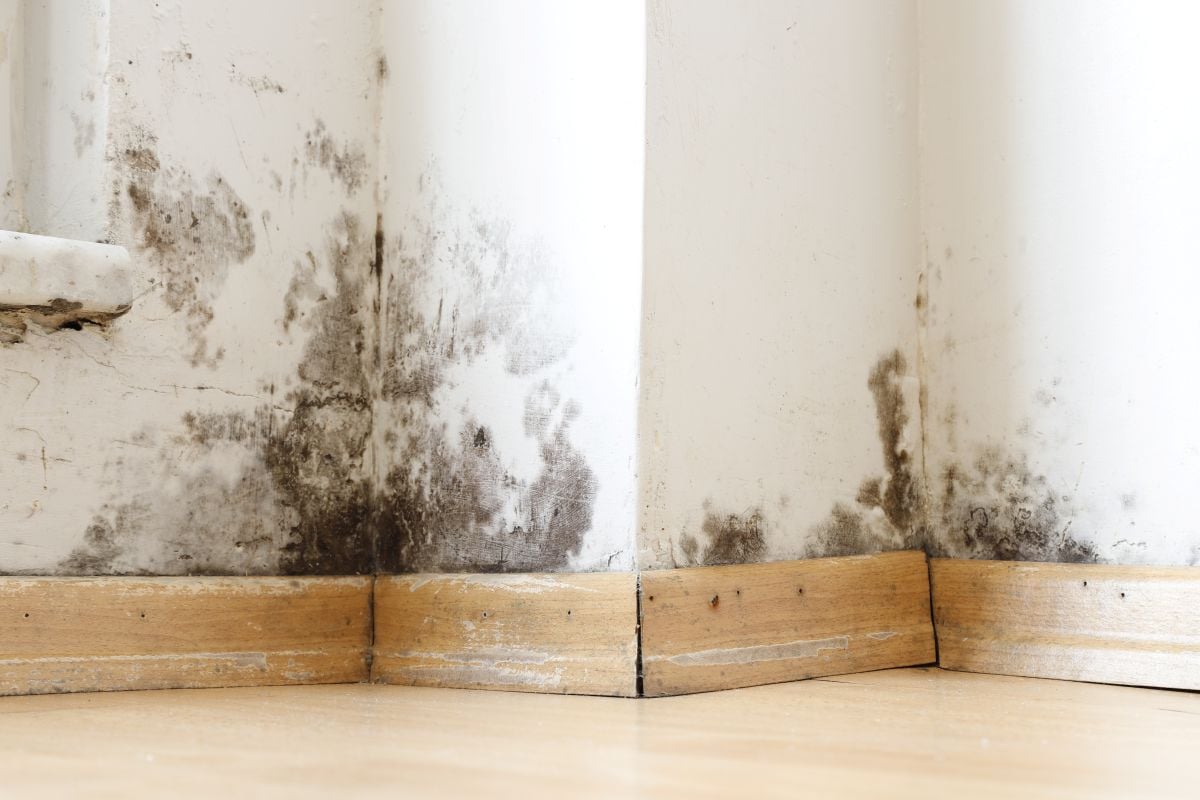
Sticky air, foggy windows, and that heavy feeling that follows you from room to room are not just uncomfortable. They are signs that your home has a moisture problem that needs attention. Knowing how to reduce humidity in house conditions before they get out of hand can protect your home, your health, and your HVAC equipment from serious long-term damage. The way your home manages airflow and moisture through its ventilation system plays a bigger role in indoor humidity than most homeowners ever realize.
In this guide, you will learn:
- What causes excess indoor humidity and why it matters
- 8 practical fixes you can start using right away
- How your HVAC system affects moisture levels throughout your home
- When DIY solutions are enough and when to call a professional
- How seasonal changes affect humidity and what to do about them
What High Indoor Humidity Is Actually Doing to Your Home

Humidity is one of those problems that builds quietly and causes damage long before most people notice it. The recommended indoor relative humidity level sits between 30 and 50 percent. When it climbs above that range consistently, every surface, system, and person inside the home starts to feel the effects in ways that are difficult and expensive to reverse.
Here is what elevated moisture levels are doing behind the scenes:
- Structural Damage: Excess moisture warps wood floors, swells door and window frames, and weakens drywall over time, leading to repairs that far exceed the cost of addressing the humidity itself.
- Mold and Mildew Growth: Mold thrives in humid environments and can establish itself inside walls, under flooring, and in ductwork within as little as 24 to 48 hours of a moisture event.
- Health Impacts: High humidity encourages dust mite populations, worsens allergy and asthma symptoms, and creates an environment where airborne irritants stay suspended longer.
- HVAC Strain: A system working in a humid home has to run longer and work harder to reach the set temperature, which accelerates wear on components and drives up energy costs month after month.
- Comfort Loss: Even at reasonable temperatures, high humidity makes a space feel warmer and heavier than it actually is, leaving occupants uncomfortable no matter how low the thermostat is set.
8 Easy Fixes for How to Reduce Humidity in House Conditions
The good news is that most indoor humidity problems are solvable without major construction or expensive equipment upgrades. Some fixes are immediate and require nothing more than a behavioral change, while others involve equipment or professional service. Work through these steps from simplest to most involved and address the ones that match your situation first.
1. Use Exhaust Fans Consistently
Kitchens and bathrooms are two of the biggest sources of indoor moisture, and exhaust fans exist specifically to remove that moisture before it spreads through the rest of the home. The problem is that most people either do not use them or turn them off too quickly. Run your bathroom exhaust fan for at least 20 minutes after a shower, and always use the range hood while cooking.
- Make sure exhaust fans actually vent to the outside rather than into the attic
- Clean fan grilles regularly to maintain proper airflow
- Consider upgrading to a higher-CFM fan if your current unit is undersized for the space
2. Run a Dehumidifier in Problem Areas
A standalone dehumidifier is one of the most direct tools available for how to reduce humidity in house spaces that hold moisture, particularly basements, crawl spaces, and rooms with limited ventilation. Look for a unit sized appropriately for the square footage, and set it to maintain humidity between 40 and 50 percent rather than running it continuously at full power.
- Empty the collection reservoir daily or connect a drain hose for continuous drainage
- Clean the filter monthly to keep the unit running efficiently
- A whole-home dehumidifier integrated with your HVAC system offers broader coverage than portable units
3. Fix Leaks and Address Water Intrusion Immediately
Standing water and slow leaks are some of the most overlooked sources of elevated indoor humidity. A dripping pipe under a sink, a slow roof leak, or water seeping in around a foundation wall all contribute moisture to the air continuously, even when the source is too small to notice right away.
- Inspect under sinks, around toilets, and behind appliances regularly for signs of moisture
- Check attic spaces for roof leak evidence after heavy rain
- Look for efflorescence, staining, or dampness along basement walls and floors
4. Improve Ventilation Throughout the Home
Poor ventilation traps moisture in the air and prevents it from being exchanged with drier outdoor air. In many homes, particularly older ones in Troy, MI and surrounding areas, ventilation was not designed with today’s tightly sealed construction practices in mind, leaving moisture with nowhere to go.
Opening windows during dry weather, using ceiling fans to keep air moving, and ensuring that attic and crawl space vents are clear and functional all help moisture escape rather than accumulate. If your home feels perpetually stuffy regardless of the season, inadequate ventilation is likely a contributing factor that a mechanical assessment can identify.
5. Take Shorter or Cooler Showers

Hot showers produce significant amounts of steam, and that steam has to go somewhere. In a bathroom with a poorly functioning exhaust fan or no window, it spreads into adjacent rooms and raises humidity levels throughout the home. Shortening shower time and slightly reducing water temperature produces noticeably less steam without requiring any equipment changes.
This fix is particularly relevant in homes where multiple people shower in quick succession without allowing the bathroom to dry out between uses.
6. Cover Exposed Soil in Crawl Spaces
If your home has a crawl space with exposed soil, that soil is actively evaporating moisture up into the structure of your home around the clock. Installing a vapor barrier, typically a heavy-duty polyethylene sheeting, over the exposed ground dramatically reduces the amount of moisture that enters the home from below.
- Use a minimum 6-mil polyethylene barrier, though 10 to 20-mil is more durable
- Overlap seams by at least 12 inches and tape them for a complete seal
- Extend the barrier up and secure it against the foundation walls for best results
7. Adjust Your HVAC System Settings and Maintenance Schedule
Your air conditioning system removes humidity from the air as part of its cooling process. When the system is undersized, improperly calibrated, or overdue for maintenance, it loses much of its dehumidification capacity. A system that runs in short cycles, for example, never runs long enough to remove meaningful moisture from the air even if it is keeping the temperature at the set point.
For homeowners in Troy, MI and surrounding areas dealing with persistent humidity despite running their AC system regularly, the issue is often a system that needs professional attention rather than a fundamental problem with the home itself.
- Have refrigerant levels checked, as low refrigerant reduces dehumidification capacity significantly
- Make sure coils are clean, since dirty evaporator coils cannot remove moisture effectively
- Consider having a professional evaluate whether your system is properly sized for your home
8. Use a Whole-Home Dehumidifier or ERV System
For homes with chronic humidity problems that portable solutions cannot fully address, a whole-home dehumidifier or an energy recovery ventilator integrated with the existing HVAC system provides consistent moisture control without the maintenance demands of multiple portable units. These systems work continuously in the background, maintaining target humidity levels across the entire home regardless of season or outdoor conditions.
This option is particularly effective for larger homes, homes in humid climates, and properties in Troy, MI and surrounding areas where seasonal humidity swings place ongoing pressure on indoor air quality and comfort.
How Your HVAC System and Humidity Are Connected
Most homeowners think of their HVAC system purely in terms of temperature, but moisture management is one of its most important functions. Understanding how the two relate helps you make better decisions about both maintenance and upgrades when indoor humidity becomes a recurring problem.
The Role of the Evaporator Coil
When your air conditioning system runs, warm indoor air passes over the evaporator coil, which is cold enough to cause moisture in the air to condense and drain away. This is the same principle that causes a cold glass to sweat on a humid day. A clean, properly functioning evaporator coil removes substantial amounts of moisture from the air with every cycle.
When the coil is dirty, frozen, or the system is low on refrigerant, this process becomes less effective. The system may still cool the air to the set temperature while leaving behind far more moisture than a properly functioning system would.
Short-Cycling and Its Effect on Indoor Humidity
A system that is oversized for the home it serves cools the air so quickly that it shuts off before running long enough to remove meaningful humidity. This is called short-cycling, and it is one of the most common reasons homeowners report feeling uncomfortable despite having an air conditioning system that appears to be working correctly.
If your system reaches the thermostat setpoint in just a few minutes and shuts off quickly, only to restart again shortly after, have a professional evaluate whether the system is properly sized for your square footage and layout.
When Ductwork Becomes Part of the Problem
Leaky or poorly insulated ductwork can pull humid air from attics, crawl spaces, and wall cavities into the conditioned air stream, undermining even a well-functioning HVAC system’s ability to manage moisture. Duct sealing and insulation improvements often produce immediate improvements in both humidity control and energy efficiency that homeowners notice right away.
Seasonal Humidity Patterns and How to Respond

Humidity levels shift with the seasons, and the right approach to managing indoor moisture in a Michigan home looks different depending on the time of year. Knowing what to expect from each season puts you in a much stronger position to respond before small humidity issues turn into larger structural or air quality problems.
Summer
Outdoor humidity is at its peak during Michigan summers, which means your air conditioning system is carrying the full weight of dehumidification along with cooling. Running the AC consistently, keeping doors and windows closed during humid stretches, and scheduling pre-season maintenance ensures the system is prepared to handle the load.
- Set your thermostat to a consistent temperature rather than turning the system on and off
- Use the auto fan setting rather than running the fan continuously, which can re-evaporate moisture from the drain pan
- Check that your condensate drain line is clear so moisture removed from the air has somewhere to go
Winter
Winter humidity problems are less common in Michigan but do occur, typically from cooking, bathing, and breathing in a tightly sealed home. More often, however, Michigan winters bring low indoor humidity rather than high, which causes its own set of problems including dry skin, static electricity, and cracking woodwork.
If your home runs humid in winter, check that your vapor barriers, exhaust fans, and ventilation are functioning properly before assuming a more involved fix is needed.
Spring and Fall
Shoulder seasons bring fluctuating outdoor humidity that can catch homeowners off guard. Running the AC on a mild but humid spring day, even briefly, is often enough to pull excess moisture out of the air and restore comfort without overcooling the space.
Start Fixing Your Home’s Humidity Problem Today
Understanding how to reduce humidity in house conditions is the first step, but taking action before the problem compounds is what actually protects your home, your health, and your equipment. Many of the fixes above cost nothing or very little, and the ones that do involve an investment pay for themselves quickly through reduced energy bills, fewer repairs, and better day-to-day comfort throughout every season.
Whether you are dealing with a damp basement in Troy, MI and surrounding areas, a bathroom that never seems to dry out, or an HVAC system that is running constantly without making the air feel any better, there is a solution that fits your situation. Contact us today to schedule a full home comfort assessment with Rolls Mechanical and find out exactly what is driving your indoor humidity so we can fix it for good.