
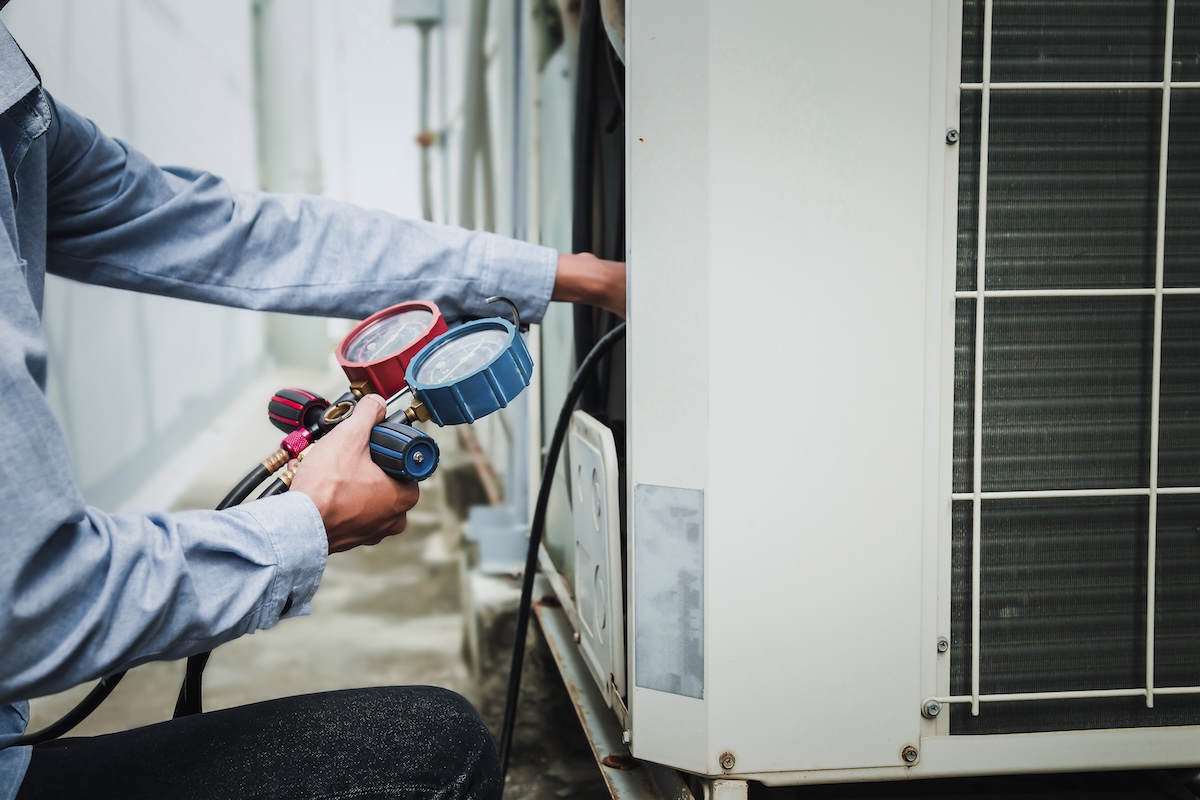
If your air conditioner isn’t cooling like it should or you’ve noticed water pooling around the indoor unit, you may be dealing with a clogged drain line. Knowing how to clean AC drain line issues properly helps prevent water damage, mold growth, and costly repairs. The drain line is a small but essential part of your cooling system, quietly removing condensation created during the cooling process. When it clogs, your entire system’s performance suffers. Regular AC maintenance ensures that this often-overlooked component stays clear and efficient all summer long.
In this guide, you’ll learn:
- Why keeping your AC drain line clean matters
- How to safely clean and unclog the drain line step-by-step
- Common causes of blockages and how to prevent them
- Maintenance tips for long-term system health
- When to call a professional for help
Why Cleaning the AC Drain Line Matters

Your air conditioner naturally produces condensation as it removes humidity from indoor air. This moisture collects in an AC drain pan and exits your home through a small PVC pipe—the drain line. Over time, dirt, algae, and debris can build up inside the pipe, leading to blockages.
Ignoring the problem can cause leaks, poor cooling performance, or even system shutdowns. Here’s why regular cleaning is important:
- Prevents Water Damage: A clogged line can cause condensation to back up and overflow, damaging floors, ceilings, and drywall.
- Improves System Efficiency: Proper drainage helps your air conditioner run more smoothly and consume less energy.
- Reduces Mold and Mildew: Cleaning removes buildup that encourages microbial growth and musty odors.
- Avoids Costly Repairs: Blocked lines can trigger safety sensors that shut off your system until the issue is fixed.
- Protects Air Quality: Keeping the line clean prevents moisture from lingering in your unit, reducing humidity and airborne bacteria.
For homeowners in Farmington Hills and surrounding areas, where warm, humid summers are common, drain line maintenance is an essential part of AC care.
7 Steps to Clean Your AC Drain Line
Cleaning your AC drain line is a straightforward task you can handle with basic tools and a little patience. Here’s a step-by-step breakdown to help you do it safely and effectively.
1. Turn Off Power to Your AC
Before you begin, always turn off the power at both the thermostat and the circuit breaker. This ensures your safety and protects the unit from electrical damage.
- Locate your indoor air handler or furnace.
- Switch the system off at the thermostat.
- Cut power at the main breaker box before opening any panels.
Never perform maintenance on a live electrical system.
2. Locate the Drain Line and Access Point
The AC drain line is typically a white PVC pipe that runs from your indoor unit to the outside of your home. Most systems include a T-shaped access point with a removable cap near the air handler.
- The indoor section is usually near the evaporator coil.
- The outdoor end is where water typically exits near your home’s foundation.
- If you don’t see an access point, you may need to remove the pipe’s cap manually.
Identifying both ends of the line helps you verify flow after cleaning.
3. Inspect for Visible Blockages
Remove the cap from the access point and check for standing water or visible debris.
- Use a flashlight to look down the pipe.
- If water is present, the line is likely blocked further down.
- Avoid inserting sharp objects that could damage the PVC pipe.
Sometimes, you’ll notice slimy residue or algae buildup—common indicators of a developing clog.
4. Use a Wet/Dry Vacuum
If the clog appears deep or there’s standing water, a wet/dry vacuum can help clear the blockage from the outdoor side of the line.
Here’s how:
- Attach the vacuum hose to the pipe’s end outside your home.
- Seal the connection using a rag or duct tape to prevent air leaks.
- Run the vacuum for 1–2 minutes to pull out water, sludge, and debris.
- Check the vacuum tank for removed material to confirm success.
This simple step can remove most minor blockages without chemicals.
5. Flush the Line with Vinegar or Bleach Solution
After removing debris, flush the line to eliminate remaining residue.
- Mix one cup of distilled white vinegar (or a 50/50 bleach-water solution) with warm water.
- Pour the solution slowly into the drain line’s access point.
- Let it sit for 30 minutes to break down organic buildup.
- Flush again with clean water to clear out any remaining cleaner.
Tip: Vinegar is less harsh than bleach and won’t damage PVC piping or harm indoor air quality.
6. Confirm the Line is Flowing Freely
After cleaning, check that water is flowing freely from the outdoor end of the pipe.
- Have someone pour a small cup of water into the access point while you observe the outlet.
- If the water flows smoothly, the line is clear.
- If it drains slowly or not at all, repeat the vacuum and flushing steps.
A steady, clear flow indicates your system is draining correctly again.
7. Replace the Cap and Restore Power
Once you’ve verified proper flow, replace the access cap and restore power at the breaker and thermostat.
- Turn your AC on and allow it to run for 10–15 minutes.
- Observe the condensate line to ensure water is draining properly.
- Listen for gurgling or dripping sounds that could signal remaining debris.
Completing this cleaning process once or twice per year can significantly extend your air conditioner’s lifespan.

Common Causes of AC Drain Line Clogs
Clogs don’t form overnight—they develop gradually from normal system use and environmental factors. Understanding what causes them helps prevent future issues.
Algae and Mold Growth
Warm, damp conditions inside the line provide ideal breeding grounds for algae and mold. Over time, they form thick layers that trap debris and restrict water flow.
Dust and Dirt Buildup
Airborne dust mixes with condensation to create sludge inside the line. Dirty filters and dusty environments accelerate this buildup.
Poor Maintenance Habits
Skipping annual AC tune-ups allows clogs to form unnoticed. Regular inspection and cleaning are the simplest ways to keep water flowing freely.
Insect Nests or Outdoor Debris
At the outdoor drain outlet, insects or leaves can block the exit point. This prevents water from leaving the system and backs it up into the pan.
Incorrect Installation
Improper pipe slope or undersized drain lines can cause standing water and recurring clogs. Professional installation ensures correct drainage and slope alignment.
Maintenance Tips to Keep Your Drain Line Clear Year-Round
Once your drain line is clean, adopting a few simple habits will keep it that way. Consistent upkeep prevents major clogs and helps your system run efficiently all season long.
Schedule Annual Professional Maintenance
Having your AC system professionally serviced once a year ensures the drain line, coils, and filter are all inspected and cleaned. Technicians use specialized tools to remove buildup and verify proper drainage.
Flush Monthly During Cooling Season
Pour a cup of vinegar or a commercial cleaning solution into the line once a month during heavy use. This prevents microbial growth and keeps the line clear.
Replace Air Filters Regularly
Clean air filters reduce dust and debris that can enter the drain line. Replace filters every 1–3 months depending on your home’s air quality and usage.
Keep the Outdoor Exit Clear
Check the outdoor end of the drain line occasionally. Remove any grass, leaves, or insects blocking the opening.
Monitor for Early Warning Signs
If you notice standing water, musty odors, or inconsistent cooling, the drain line could be partially blocked. Address these issues before they cause damage.
DIY vs. Professional Cleaning: What’s Best?
While cleaning the AC drain line is a manageable DIY task, there are times when calling a professional is the safer choice. Here’s how to decide.
| Scenario | DIY Cleaning | Professional Service |
| Simple algae buildup | Yes | Not required |
| Recurring clogs or leaks | No | Yes |
| No access point or poor drainage | No | Yes |
| Older systems or complex installations | No | Yes |
| Annual inspection and tune-up | Optional | Recommended |
Professionals use advanced equipment like pressurized nitrogen and inspection cameras to locate and clear stubborn clogs without damaging your system.
Why Regular Drain Line Cleaning Protects Your Home
The AC drain line may be small, but it plays a huge role in protecting your home and HVAC investment. Keeping it clean ensures:
- Consistent Cooling: Clear drainage allows your system to operate at peak efficiency.
- Reduced Repairs: Prevents overflow and system shutdowns caused by water damage.
- Better Air Quality: Eliminates moisture buildup that encourages mold growth.
- Peace of Mind: Regular care prevents unexpected water leaks during summer’s hottest months.
While maintaining the drain line is vital, this component only manages the byproduct of cooling. The actual work of conditioning your indoor air, including circulating, filtering, and cooling, is handled by the indoor unit. For a comprehensive understanding of the central component that determines your comfort and air quality—and to learn the signs that it needs professional service—read our full guide on the air handler.

Call Rolls Mechanical for Professional AC Maintenance and Care
A clean AC drain line keeps your air conditioner running efficiently and your home safe from moisture damage. Regular maintenance not only improves performance but also helps prevent expensive repairs and early system failure.
If you’re unsure about how to clean your system safely or notice recurring drainage issues, Rolls Mechanical can help. Our experienced technicians provide professional inspections, AC tune-ups, and AC drain line cleaning services for homeowners in Farmington Hills and surrounding areas. We ensure your air conditioner runs smoothly, drains properly, and keeps your home comfortable all season long.
For expert help or to schedule your next maintenance visit, contact us today. Rolls Mechanical is committed to delivering reliable service, clear communication, and long-term comfort solutions you can count on.