Your furnace filter plays a quiet but crucial role in your home’s comfort, energy efficiency, and indoor air quality. Knowing how often to change furnace filter elements is one of the simplest yet most effective ways to keep your HVAC system running smoothly. A clean filter prevents dust buildup, reduces strain on your system, and keeps your family breathing cleaner air. Scheduling seasonal furnace maintenance ensures filters are replaced at the right intervals and your entire system operates at peak performance year-round.
In this guide, you’ll learn:
- Why changing your furnace filter matters for comfort and efficiency
- How often you should replace it based on your home and lifestyle
- The warning signs that your filter needs attention
- Tips to choose the right filter type for your system
- How professional maintenance improves air quality and reduces costs
Why Changing Your Furnace Filter Is So Important

Many homeowners overlook their furnace filter until airflow weakens or energy bills spike. However, this small component has a big impact on how efficiently your heating and cooling systems perform.
Here’s why keeping it clean and replacing it regularly makes such a difference:
- Better Indoor Air Quality: The furnace filter traps dust, pollen, and pet dander before they circulate through your home. Clean filters mean fresher air and fewer allergens.
- Improved Energy Efficiency: Dirty filters force the furnace fan to work harder, consuming more electricity and shortening component lifespan.
- Extended System Life: A clean filter reduces stress on the blower motor, coil, and other parts, helping your system last longer.
- Consistent Comfort: With proper airflow, your system distributes heat evenly across every room.
- Lower Repair Costs: Preventing dirt and debris from reaching sensitive components reduces the likelihood of mechanical breakdowns.
For Brighton homeowners and surrounding areas where seasonal weather changes are significant, filter maintenance keeps heating systems running efficiently through cold winters and humid summers alike.
6 Key Signs It’s Time to Change Your Furnace Filter
Every home is different, so the frequency of filter replacement depends on factors like your filter type, household size, and air quality. These six signs will help you know when it’s time for a replacement.
1. Reduced Airflow from Vents
If you notice weaker airflow coming from your vents, a clogged filter is often the culprit. When dust and debris accumulate, air can’t pass through freely, forcing your system to work harder.
You might also experience:
- Longer heating cycles
- Uneven room temperatures
- Increased noise from the furnace fan
Check your filter immediately if you see these symptoms, especially during peak heating months.
2. Higher Energy Bills
A sudden jump in energy costs can indicate your furnace is overworking to push air through a dirty filter. The fan motor consumes more power to compensate, driving up your utility bill.
Replacing the filter every one to three months can help stabilize your energy use and reduce unnecessary strain on the system.
3. Dusty or Stale Air
When the filter becomes saturated, it can no longer trap airborne particles effectively. You may notice more dust on surfaces, musty odors, or increased allergy symptoms among family members.
A fresh filter not only improves air circulation but also enhances indoor air quality, especially important during winter when windows stay closed.
4. Visible Dirt or Damage on the Filter
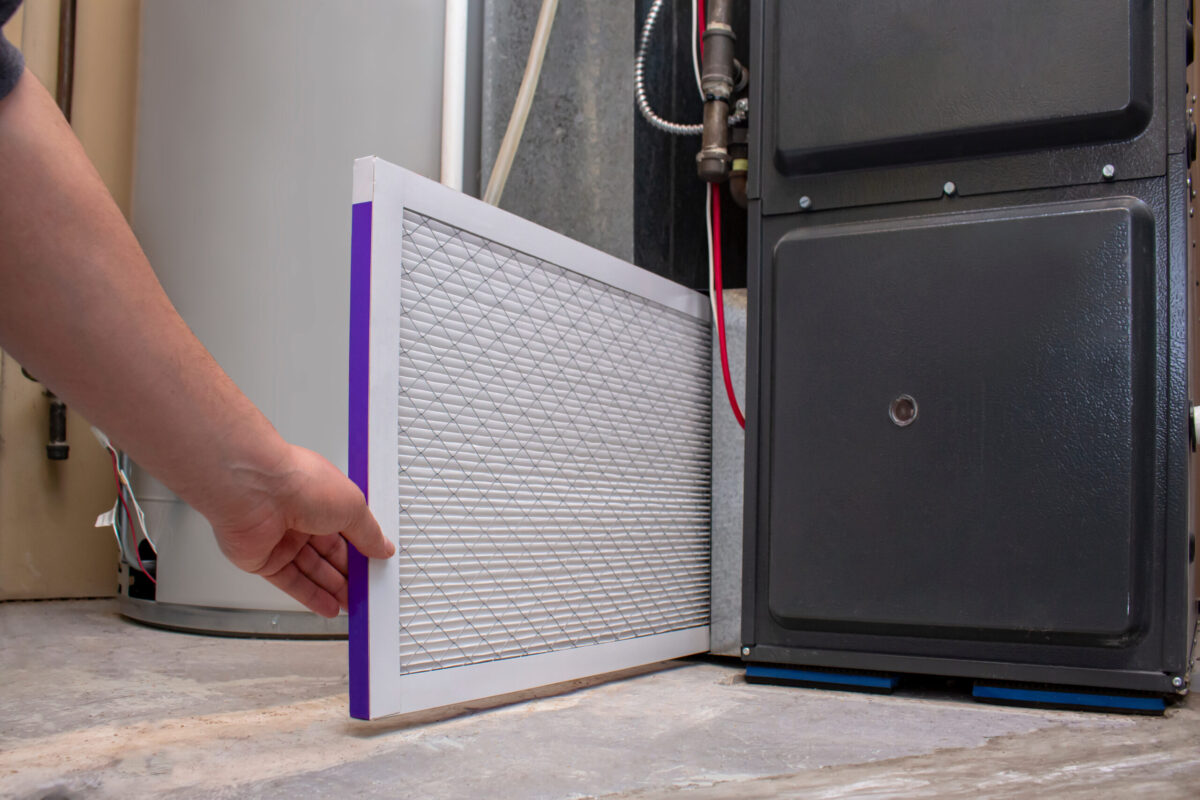
Inspect your filter regularly—most types can be accessed by opening a small panel near your furnace’s return air duct.
If you see:
- A thick gray coating of dust
- Bent or torn edges
- Dark discoloration from trapped particles
…it’s time for a replacement. A clean filter should allow light to pass through easily when held up.
5. Furnace Running Constantly
A furnace that cycles more often than usual or runs continuously without reaching the set temperature could be struggling against restricted airflow. This strain not only wastes energy but can cause overheating and reduce your system’s lifespan.
Swapping in a clean filter often resolves the issue immediately.
6. It’s Been More Than 3 Months
Even if you don’t notice other signs, it’s smart to replace your filter at least every 90 days. Households with pets, allergy sufferers, or smokers should change filters more often—about every 30 to 60 days during heavy use.

How Often Should You Really Change It?
There’s no universal schedule, but the following guidelines work for most homes:
| Household Type | Recommended Filter Change |
| Single occupant, no pets, low dust | Every 3–6 months |
| Average household | Every 2–3 months |
| Home with pets | Every 1–2 months |
| Allergy sufferers or heavy use | Every 1 month |
| Vacation or seasonal home | Every 6–12 months |
Your environment and lifestyle make a big difference. Homes in areas like Brighton and surrounding regions, where furnaces run heavily through cold seasons, benefit from more frequent replacements.
Choosing the Right Furnace Filter
Not all filters are created equal. Choosing one that matches your furnace’s specifications and your family’s needs improves efficiency and comfort.
Filter Types
- Fiberglass Filters:
- Most affordable option
- Capture larger particles like lint and dust
- Require monthly replacement
- Suitable for short-term use or low-maintenance systems
- Pleated Filters:
- Made from polyester or cotton paper
- Trap smaller particles including mold spores and pet dander
- Typically last up to 3 months
- Offer better airflow balance
- HEPA Filters:
- Capture up to 99.97% of airborne particles
- Ideal for allergy-prone households
- May require system modifications for compatibility
- Washable Filters:
- Reusable after rinsing and drying
- Environmentally friendly option
- Must be cleaned monthly to prevent mold growth
Understanding MERV Ratings
Filters are rated on the Minimum Efficiency Reporting Value (MERV) scale from 1 to 20.
- 1–4: Basic protection, traps large particles
- 5–8: Good for residential use, balances airflow and filtration
- 9–12: Higher quality filtration for allergy control
- 13–16: Hospital-grade air quality (may restrict airflow in standard furnaces)
Always follow your furnace manufacturer’s recommendations to avoid performance issues.
Maintenance Tips to Extend Filter and System Life
Changing your filter regularly is important, but pairing it with other simple maintenance habits ensures long-lasting system performance.
Keep Return Air Vents Clear
Blocked vents can reduce airflow and make your furnace work harder, even with a clean filter. Keep furniture and rugs away from vent openings.
Seal Leaky Ducts
Leaky ductwork allows dust and unfiltered air to bypass your filter entirely. Proper sealing prevents unnecessary debris from entering your system.
Clean Around the Furnace
Dust accumulation around the furnace cabinet can enter the system when panels are opened. Regular vacuuming keeps the area cleaner and improves air quality.
Schedule Professional Tune-Ups
Annual furnace inspections help identify hidden issues before they cause major problems. During maintenance, technicians clean internal components, check electrical connections, and verify airflow for optimal performance.
Use High-Quality Filters
Cheaper filters often need frequent replacement and can’t trap smaller particles effectively. Investing in a higher-rated pleated filter offers better long-term savings and comfort.
Comparing Clean vs. Dirty Filters: What’s the Difference?
| Feature | Clean Filter | Dirty Filter |
| Airflow | Smooth, unrestricted | Blocked and uneven |
| Energy Use | Efficient | Increased by up to 15% |
| Air Quality | Fresh and clean | Dusty, triggers allergies |
| System Longevity | Reduced strain | Overworked components |
| Comfort Level | Even heating | Uneven temperatures |
This comparison highlights how such a small part of your system can have a major effect on your home’s comfort and costs.
Common Myths About Furnace Filters
Homeowners often hear conflicting advice about filter care. Let’s clear up some common misconceptions.
- “Filters only need changing once a year.”
False. Most filters should be changed every one to three months, depending on usage and air quality. - “Expensive filters always work better.”
Not necessarily. A high MERV rating can restrict airflow if your system isn’t designed for it. The best filter is the one suited to your furnace’s specifications. - “I can clean disposable filters instead of replacing them.”
Cleaning disposable filters can damage the material and reduce effectiveness. Only washable filters are meant to be reused. - “If the air looks clean, the filter must be fine.”
Even if your air seems clear, microscopic particles can clog the filter over time and restrict airflow.
Why Professional Maintenance Matters
While changing your filter is a simple task, professional HVAC maintenance ensures your furnace continues running efficiently. Technicians perform comprehensive checks that go beyond the filter, including:
- Inspecting and cleaning blower components
- Checking thermostat calibration
- Testing airflow and temperature output
- Examining electrical connections for safety
- Measuring system performance and energy usage
These steps help maintain comfort and prevent unexpected breakdowns during cold Brighton winters.

Call Rolls Mechanical for Expert HVAC Care
Knowing how often to change your furnace filter is one of the simplest ways to protect your system and your indoor air quality. Regular replacement keeps your furnace efficient, your energy bills low, and your home more comfortable.
If you’re unsure about the right filter type, schedule, or need help improving airflow, Rolls Mechanical can help. Our technicians provide thorough inspections, maintenance, and replacement services for homeowners in Brighton and surrounding areas. We take pride in offering honest advice, dependable workmanship, and long-term comfort solutions for every home.
To schedule service or request more information about filter maintenance, contact us today. Rolls Mechanical is your trusted partner for year-round HVAC care and reliable indoor comfort.