Power outages can happen unexpectedly, leaving your home without essential systems like heating, cooling, and refrigeration. Investing in home generator installation ensures your household stays comfortable and functional during disruptions. Many homeowners begin preparing for outages by exploring reliable options like complete home comfort solutions that support year round performance and energy reliability.
In this guide, you will learn:
- Why a home generator is a smart investment
- The 12 must know basics of generator installation
- How to choose the right system for your home
- Key safety and maintenance considerations
- What to expect during installation
Why Home Generator Installation Is More Important Than Ever

With increasing weather unpredictability and aging power infrastructure, power outages are becoming more common. A home generator provides peace of mind by keeping essential systems running when the grid goes down.
For homeowners in Clarkston, MI and surrounding areas, having a backup power source can make a significant difference in both safety and comfort.
- Continuous Power Supply: Keeps critical appliances like refrigerators, HVAC systems, and medical equipment running
- Home Safety: Maintains lighting, security systems, and sump pumps during outages
- Comfort Preservation: Ensures heating and cooling systems continue operating in extreme weather
- Property Protection: Prevents issues like frozen pipes or basement flooding
- Increased Home Value: Backup power systems are an attractive feature for potential buyers
Understanding these benefits highlights why generator installation is a valuable long term investment.
12 Must Know Basics of Home Generator Installation
Installing a home generator involves more than simply placing a unit outside your home. It requires careful planning, proper sizing, and professional expertise to ensure reliable operation.
1. Determining Your Power Needs
The first step is understanding how much power your home requires during an outage. This determines the size and capacity of your generator.
- Identify essential appliances and systems
- Calculate total wattage requirements
- Consider future energy needs
2. Choosing Between Portable and Standby Generators
Homeowners can choose between portable and standby systems, each offering different levels of convenience and performance.
- Portable units are more affordable but require manual setup
- Standby generators operate automatically during outages
- Standby systems provide more consistent power
3. Selecting the Right Fuel Type
Generators can run on various fuel sources, including natural gas, propane, and gasoline. The choice depends on availability and preference.
- Natural gas offers continuous supply
- Propane provides clean burning performance
- Gasoline is readily available but requires storage
4. Finding the Ideal Installation Location
Placement is critical for safety and efficiency. Generators must be installed outdoors in a well ventilated area.
- Maintain proper distance from windows and doors
- Ensure adequate airflow around the unit
- Follow local building codes and regulations
5. Installing a Transfer Switch
A transfer switch connects your generator to your home’s electrical system. It ensures a safe transition between utility power and generator power.
- Prevents backfeeding into the grid
- Allows seamless power switching
- Required for standby systems
6. Upgrading Electrical Systems if Needed
Some homes may require electrical upgrades to support a generator. This ensures safe and efficient operation.
- Upgrade panels if capacity is insufficient
- Install dedicated circuits for critical systems
- Ensure compliance with electrical codes
7. Preparing the Foundation
Generators must be installed on a stable, level surface to operate properly.
- Use concrete or composite pads
- Ensure proper drainage around the unit
- Prevent shifting or movement over time
8. Professional Installation and Wiring

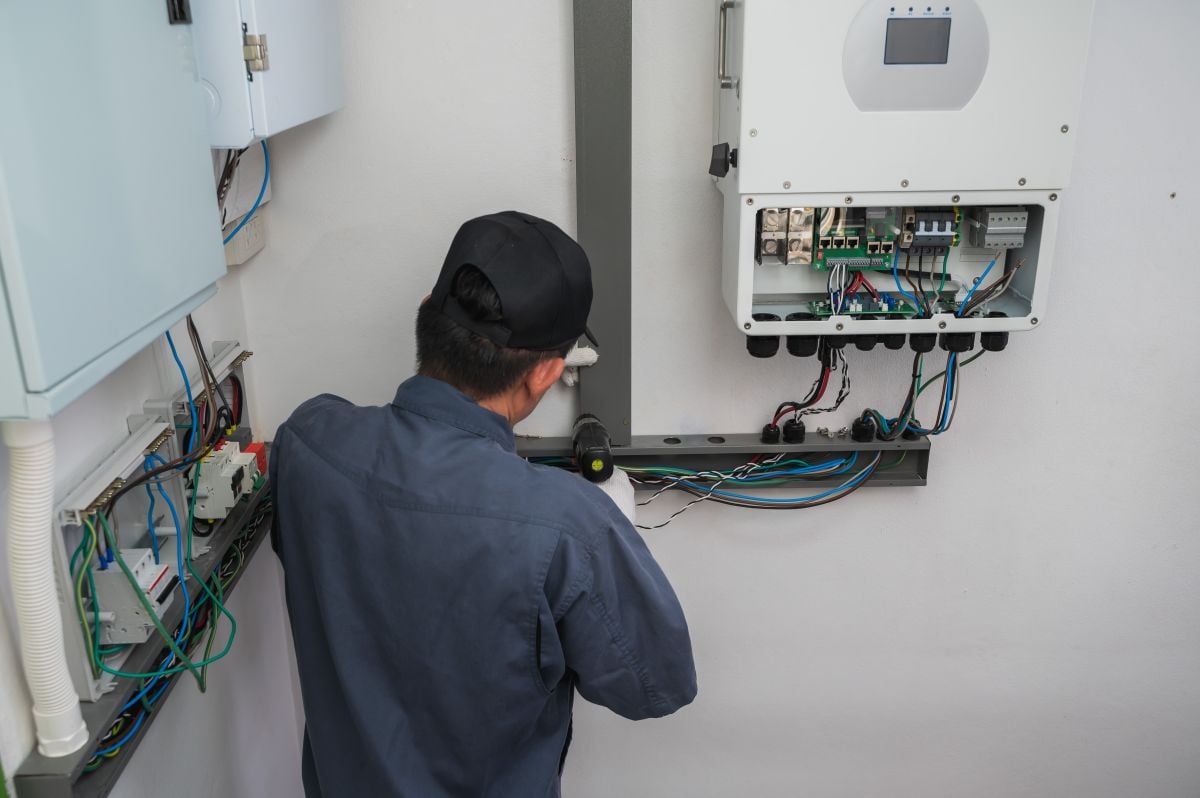
Connecting a generator to your home’s electrical system requires expertise. Professional installation ensures everything is done safely.
- Properly connect wiring and components
- Verify all connections meet safety standards
- Reduce risk of electrical hazards
9. Testing the System
After installation, the generator must be tested to ensure it operates correctly during an outage.
- Simulate a power outage
- Verify automatic startup
- Check power distribution
10. Understanding Local Codes and Permits
Generator installation often requires permits and inspections. Compliance ensures your system meets local regulations.
- Obtain necessary permits before installation
- Schedule required inspections
- Follow zoning and placement guidelines
11. Scheduling Regular Maintenance
Routine maintenance keeps your generator in peak condition and ensures it is ready when needed.
- Perform regular inspections
- Replace filters and fluids as needed
- Test system periodically
12. Planning for Long Term Reliability
A generator is a long term investment. Planning ahead ensures your system continues to perform for years.
- Monitor system performance
- Address issues promptly
- Work with trusted professionals for ongoing service
How to Choose the Right Generator for Your Home
Selecting the right generator involves balancing power needs, budget, and long term goals. With so many options available, it is important to evaluate what works best for your specific situation.
Whole Home vs Partial Backup
Some homeowners choose whole home generators that power everything, while others prioritize essential systems.
- Whole home systems provide complete coverage
- Partial systems focus on critical appliances
- Cost varies based on coverage level
Noise Considerations
Modern generators are designed to operate quietly, but noise levels can still vary.
- Check decibel ratings before purchasing
- Consider placement to minimize noise impact
- Look for models with sound dampening features
Efficiency and Performance
Efficiency plays a key role in long term operating costs. Choosing a high efficiency model can reduce fuel consumption.
Homeowners in Clarkston, MI and surrounding areas often prioritize systems that balance performance with energy efficiency.
Smart Features and Automation
Many modern generators include smart technology that enhances convenience and control.
- Remote monitoring through mobile apps
- Automatic maintenance alerts
- Integration with home automation systems
Comparing Generator Types for Better Decision Making

Understanding the differences between generator types helps homeowners make informed decisions based on their needs and budget.
| Feature | Portable Generator | Standby Generator |
| Operation | Manual startup | Automatic startup |
| Power Output | Limited capacity | Higher capacity |
| Installation | Minimal setup | Professional installation required |
| Cost | Lower upfront cost | Higher investment |
| Convenience | Requires manual operation | Fully automatic |
This comparison highlights why many homeowners choose standby systems for reliability and ease of use.
When a Portable Generator Makes Sense
Portable generators are a good option for short term or occasional use. They are ideal for smaller homes or limited budgets.
When a Standby Generator Is the Better Choice
Standby systems are best for homeowners who want uninterrupted power and maximum convenience. They are especially valuable during extended outages.
For residents in Clarkston, MI and surrounding areas, standby generators are often the preferred choice due to their reliability.
Power Your Home With Confidence and Reliability
A properly installed generator ensures your home remains safe, comfortable, and functional during unexpected outages. From protecting essential systems to maintaining daily routines, the benefits of home generator installation are clear.
If you are considering a generator for your home in Clarkston, MI and surrounding areas, the experienced team at Rolls Mechanical is ready to help. Their expertise ensures your system is installed correctly and built for long term performance.
Do not wait until the next outage to take action. Reach out to Rolls Mechanical and contact us today to schedule your home generator installation and gain peace of mind knowing your home is prepared for anything.