
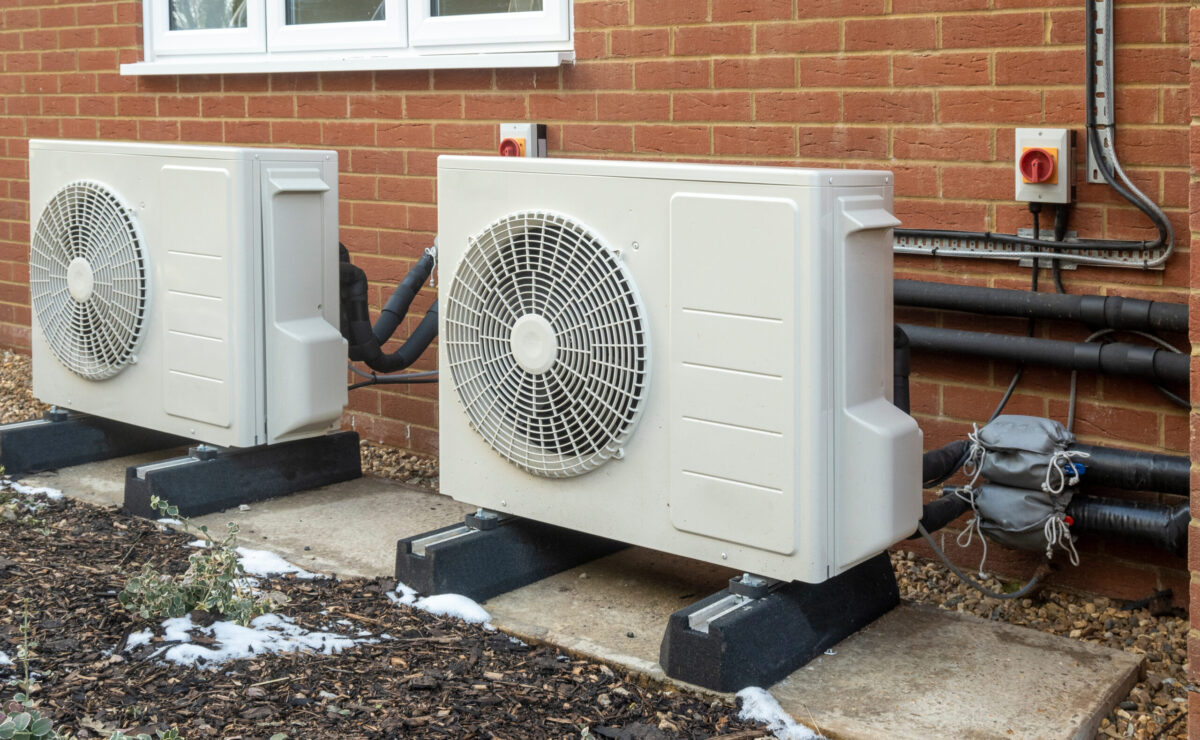
Choosing a geothermal heat pump installation marks a significant move toward a more sophisticated and sustainable way to manage your home’s climate. Unlike traditional systems that battle the changing outdoor air, geothermal technology—often called a ground-source or geo-exchange system—taps into the earth’s steady underground temperature. This transition represents a peak in modern engineering, using the ground as a reliable heat source in the winter and a cooling sink in the summer.
While these geothermal systems offer a high-performance alternative to fossil-fuel-dependent equipment, they do require careful planning and a customized design for your property’s specific landscape. Whether you are looking at the lifecycle savings of geothermal or exploring other high-efficiency setups, we help you navigate the process of geothermal heat pump installation: the costs of replacing a heating and air conditioning system so you can choose the best long-term fit for your family.
- Understand the importance and benefits of geothermal heat pumps
- Learn the seven critical steps involved in geothermal heat pump installation
- Explore tips to enhance system efficiency and longevity
- Compare geothermal heat pumps with traditional HVAC systems
- Discover how to choose the right HVAC professional for installation
Why Geothermal Heat Pump Installation Matters

Geothermal heat pump installation is transforming how homeowners approach heating and cooling. As climate change and rising energy costs impact daily life, installing a geothermal system provides solutions that align with sustainability and financial savings.
These systems harness naturally occurring ground temperatures to heat or cool spaces efficiently, offering advantages that resonate on multiple levels:
- Energy Efficiency: Geothermal systems consume up to 70% less electricity than conventional heating and cooling methods, reducing overall energy demand.
- Environmental Benefits: By minimizing greenhouse gas emissions, geothermal heat pumps contribute significantly to lowering a home’s carbon footprint.
- Long-Term Savings: While the initial installation costs can be higher, the reduced operational expenses often result in quick payback periods.
- Reliability: These systems provide consistent indoor comfort regardless of harsh weather conditions because underground temperatures remain steady year-round.
- Increased Property Value: Adding energy-efficient HVAC upgrades is attractive to future buyers, potentially enhancing your home’s market appeal.
Understanding the mechanics of a geothermal heat pump installation reveals why it is becoming a standard for energy-conscious construction. By utilizing the earth’s own thermal energy, homeowners can establish a reliable, self-sustaining climate control system that performs efficiently for decades.
7 Essential Steps for Geothermal Heat Pump Installation
Installing a geothermal heat pump requires careful planning paired with technical expertise. Here is a detailed guide to the seven major steps involved in the process to set the right expectations before you begin.
1. Site Evaluation and Feasibility Study
Before installation, a professional HVAC technician analyzes your property to assess the suitability of geothermal heat pump installation. This includes evaluating soil composition, land size, and existing HVAC infrastructure.
- Checking geological conditions to determine if vertical or horizontal loops are suitable
- Estimating the thermal properties of the soil for efficiency calculations
- Verifying local zoning regulations and permitting requirements
2. System Design and Specifications
Once site feasibility is confirmed, the design of your geothermal heat pump installation is customized based on the heating and cooling needs of your home. This phase involves precisely sizing the ground loops and selecting the most efficient equipment models for your specific environment.
- Selecting between open-loop and closed-loop systems depending on water availability and site characteristics
- Choosing components such as heat exchangers, pumps, and controls that match your climate
- Preparing detailed plans for loop field installation and indoor unit integration
3. Securing Permits and Approvals
Geothermal heat pump installation often requires permits from local authorities. This step ensures the project complies with environmental and safety standards.
- Submitting designs and engineering reports to relevant departments
- Addressing utility company requirements if connection to water sources or electrical grids is needed
- Receiving final permits before initiating excavation or drilling work
4. Loop Field Installation
The ground loops, which are the backbone of the geothermal system, are installed either by horizontal trenching for shallow pipes or vertical drilling for deeper loops. This phase demands precision to minimize environmental disturbance.
- Excavating trenches or drilling boreholes precisely per design
- Installing and connecting pipes securely to prevent leaks
- Backfilling trenches carefully to restore soil stability
5. Indoor Unit Setup
Inside the home, the geothermal heat pump unit and associated components such as air handlers or radiant heating elements are installed and integrated with existing ductwork or plumbing.
- Mounting the heat pump in a convenient, accessible location
- Connecting the system to electrical controls and smart thermostats
- Ensuring compatibility with existing home heating or cooling infrastructure
6. System Testing and Commissioning
After installation, the entire system undergoes rigorous testing to verify that all components operate correctly and efficiently.
- Checking loop field pressure and fluid flow rates
- Calibrating thermostats and control systems for optimal performance
- Running initial heating and cooling cycles to detect any issues
7. Maintenance Planning and User Training
Successful geothermal heat pump installation ends with a plan to maintain system health and user education to maximize benefits over time.
- Scheduling regular inspections and fluid checks
- Providing homeowners with operational guidelines and troubleshooting tips
- Offering responsive repair and service support for peace of mind
Tips to Maximize Geothermal Heat Pump Performance

Installation marks the beginning of an effective long-term investment. Applying smart strategies helps maintain and enhance the system’s efficiency throughout its lifecycle.
- Regular Filter Changes: Replace air filters at recommended intervals to ensure clean airflow and system efficiency.
- Monitor Loop Fluid Levels: Maintain appropriate antifreeze concentrations and fluid volume in the underground loops.
- Thermostat Optimization: Use programmable thermostats to regulate indoor temperatures, reducing unnecessary energy consumption.
- Landscaping Considerations: Planting shade trees near outdoor units can help reduce heat absorption during summer.
- Routine Professional Maintenance: Schedule annual checkups with certified technicians to prevent issues and extend system life.
Choosing the Right Loop for Your Geothermal Heat Pump Installation
The most critical part of a geothermal heat pump installation is the underground loop system. This network of pipes is what actually exchanges heat with the earth, and the “right” choice depends entirely on your property’s size, soil type, and budget.
There are two main categories: closed-loop systems, which circulate a sealed fluid, and open-loop systems, which pull water directly from a nearby source. Below is a breakdown of the most common configurations used in modern home energy projects:
| Loop Type | Best Environment | Space Needed | Main Advantage | Key Constraint |
| Horizontal Closed-Loop | Large yards with deep soil | 4–6 ft deep trenches; needs ample open land | Most cost-effective excavation; no deep drilling required | Requires significant acreage; affected by surface soil temps |
| Vertical Closed-Loop | Smaller lots or rocky terrain | 4-inch boreholes drilled 150–600 ft deep | Minimal surface footprint; accesses very stable deep-earth temps | Higher upfront cost due to specialized drilling equipment |
| Pond / Lake Closed-Loop | Properties with a nearby body of water | Submerged coils at least 8–10 ft deep | Low cost; eliminates massive digging and trenching | Needs a deep, half-acre pond to prevent freezing |
| Open-Loop | Areas with high-yield water wells | Extraction and recharge wells | Highest heat exchange efficiency | Requires a steady, clean groundwater supply |
Selecting the best loop for your geothermal heat pump installation is a balance between your land’s natural features and your long-term energy goals. While vertical loops are the “go-to” for suburban homes with limited space, those with larger rural lots or water access can often save on initial costs by choosing horizontal or pond-based systems.
Comparing Geothermal Heat Pumps with Traditional HVAC Systems
Understanding how geothermal systems stack up against conventional HVAC options highlights why many homeowners in places like Rochester and surrounding areas are making the switch.
| Feature | Geothermal Heat Pumps | Traditional HVAC Systems |
| Energy Efficiency | Up to 70% less energy consumption | Standard efficiency with seasonal variation |
| Installation Cost | Higher upfront, longer payback period | Lower initial expense |
| Environmental Impact | Significantly reduces greenhouse gas emissions | Typically relies on fossil fuels or electricity |
| Maintenance Needs | Lower due to fewer moving parts | More frequent repairs and part replacements |
| Lifespan | 25+ years for underground loops, 20+ for indoor components | 10-15 years typical |
These advantages make geothermal heat pumps a compelling, lasting choice for families in Rochester and surrounding areas who are looking to invest in sustainable home comfort solutions.
While geothermal is a top-tier option, it is just one of several ways to stay warm; you can compare all your options by exploring the most efficient heating systems in winter—from high-efficiency furnaces to cold-climate heat pumps—to find the perfect fit for your property’s specific needs.

Taking the Next Step: Professional Geothermal Heat Pump Installation
Investing in geothermal heat pump installation is a decision with long-term financial and environmental rewards. As you evaluate your options, working with licensed and experienced HVAC professionals ensures a seamless transition to this advanced technology. At Rolls Mechanical, we can provide personalized assessments, manage permits, and install the system correctly while optimizing performance tailored to your home’s unique demands.
Whether you choose the high-efficiency performance of geothermal or another modern setup, we are committed to helping you find the most cost-effective path to year-round comfort. To help you plan your investment, we’ve created a helpful resource on how much to replace a heating and air conditioning system, allowing you to compare the value of different high-performance options and choose the best fit for your family’s needs.
If you are ready to explore professional geothermal heat pump installation solutions, contact us today at Rolls Mechanical for a consultation and take the first step toward greater energy savings and comfort.