
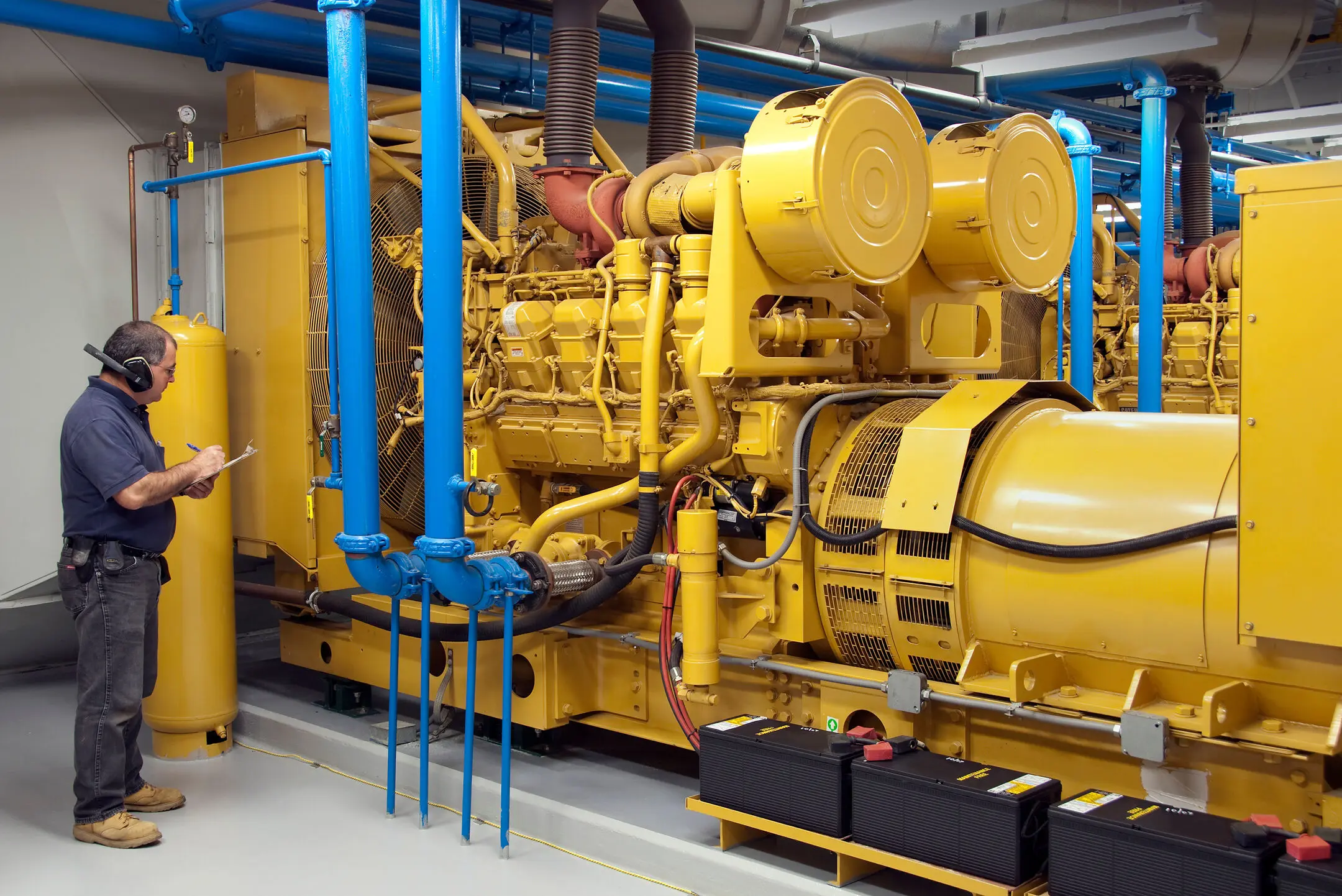
A backup generator only matters on the day the power fails, and that is exactly the day you cannot afford to find out it will not start. Most generator failures trace back to neglected basics, like old oil, a weak battery, or a clogged filter, rather than anything dramatic. Consistent generator maintenance is what turns a machine that sits idle for months into one that starts on the first try. Learning how a properly installed standby power system is designed to stay ready year-round helps you see why small routine tasks protect such a large investment.
In this guide, you will learn:
- Why generators fail when they are needed most and how maintenance prevents it
- 8 maintenance steps that keep a standby generator ready for an outage
- A simple schedule that spreads the work across the year
- How standby and portable generator maintenance differ
- When to call a licensed technician instead of handling it yourself
Why Generator Maintenance Matters More Than Most Owners Realize

A generator is an engine that spends most of its life doing nothing, and that is harder on equipment than steady use. Fuel ages, oil settles, batteries drain, seals dry out, and small animals look for shelter inside enclosures. When the grid goes down and the generator is suddenly asked to carry a whole home, any weakness that built up during the quiet months shows itself at the worst possible moment.
For homeowners in Flint, MI and surrounding areas, where ice storms and heavy winds can cause outages that last days, a generator that fails to start is more than an inconvenience. It can mean spoiled food, a cold house in January, a flooded basement from a dead sump pump, or interrupted medical equipment.
- Reliable Starts: Fresh oil, a healthy battery, and clean filters are the three biggest factors in whether a generator starts and runs when called upon.
- Longer Equipment Life: A well-maintained generator can serve for decades, while a neglected one may need major repairs or replacement in a fraction of that time.
- Lower Repair Costs: Catching a worn belt, leaking hose, or corroded terminal during a routine check costs far less than an emergency repair during an outage.
- Warranty Protection: Many manufacturers require documented routine service to keep warranty coverage in force, and a maintenance log makes claims much easier.
- Safety: Fuel leaks, exhaust problems, and electrical faults are real hazards, and regular inspection is how they get found before they cause harm.
7 Generator Maintenance Steps to Keep Backup Power Ready
These eight steps cover the core of a standby generator maintenance program. Always follow the manufacturer’s manual for exact intervals and procedures, since they vary by brand, size, and fuel type. When in doubt about any task, especially anything involving fuel, electrical connections, or the transfer switch, bring in a licensed technician.
1. Let the Weekly Self-Test Run and Review the Results
Most modern standby generators run an automatic exercise cycle once a week, typically for 5 to 20 minutes. This short run lubricates the engine, charges the battery, and exposes problems before an outage does. Many owners forget the cycle exists, which means they miss the warnings it can provide.
Check that the test is actually happening on schedule, and look at the controller display or connected app for any fault codes or warnings. A test that fails to complete or that logs an alarm deserves attention that same week, not after the next storm.
- Confirm the exercise day and time are set correctly, especially after a power outage or a daylight saving change
- Note any unusual sounds, vibration, smoke, or smells during the run
- Record the date and result in a simple log so patterns are easy to spot
2. Inspect the Generator and Surrounding Area Monthly
A quick visual inspection takes only a few minutes and catches many problems early. Walk around the unit and look for leaks, loose wires, damaged hoses, corrosion, rust, and signs of rodents or insects. Check that the enclosure is closed and latched and that nothing is stored against the unit.
In Flint, MI and surrounding areas, winter adds extra concerns. Snow and ice can block air intakes and exhaust openings, and drifting snow can bury the base of the unit. Keep the area around the generator clear on all sides, following the manufacturer’s required clearances.
- Remove leaves, debris, and vegetation that could block airflow or become a fire hazard
- Brush snow away from vents and exhaust before and during storms
- Look for gnaw marks or nesting material, since rodents can damage wiring and filters

3. Check and Change the Oil on Schedule
Engine oil is the lifeblood of a generator, and old oil loses its ability to protect moving parts. Even a generator that rarely runs accumulates enough hours through weekly tests, and oil also breaks down with time. Most manufacturers call for an oil and filter change after a set number of run hours or once a year, whichever comes first.
Check the oil level monthly with the engine off and cool, and top off only with the oil type the manual specifies. Overfilling is as harmful as running low, so use the dipstick marks as a guide.
- Use the viscosity and grade recommended for your climate and engine
- Replace the oil filter at the same time as the oil
- Dispose of used oil at an approved recycling location
4. Test and Maintain the Battery
A weak battery is the single most common reason a standby generator fails to start. Batteries slowly lose charge and capacity, and cold weather makes the problem worse by reducing available starting power. Many generators have a built-in charger, but it cannot rescue a battery that has reached the end of its life.
Inspect the terminals for corrosion and make sure connections are tight and clean. Have the battery load tested at least once a year, and plan to replace it every three to five years, even if it still seems to work.
- Clean corrosion with a baking soda and water solution and a stiff brush, then dry thoroughly
- Replace the battery before winter if it is near the end of its expected life
- Never disconnect or service the battery without following the manual’s shutdown procedure
5. Replace Air Filters and Spark Plugs
An engine needs clean air to run efficiently. A clogged air filter restricts airflow, makes the engine work harder, and can cause hard starting, rough running, or reduced output. Inspect the air filter at least twice a year and replace it as the manual directs or sooner if it looks dirty.
Spark plugs on gas-powered generators wear over time and can foul, which leads to hard starts and misfires. Replace them at the recommended interval, and use the exact plug type and gap specified for your engine.
- Never run the generator without the air filter in place
- Check for oil or fuel fouling on old spark plugs, which can point to a deeper engine problem
- Keep a small stock of the correct filters and plugs so maintenance is not delayed
6. Check the Fuel System and Supply
Fuel problems cause many generator failures. Natural gas and propane systems depend on a steady, clean supply, so confirm that shutoff valves are open, regulators are working, and there are no signs of leaks or damaged lines. For propane, check the tank level regularly, especially before storm season.
If your generator runs on diesel or gasoline, fuel quality becomes the main concern. Fuel degrades over time, absorbs moisture, and can form gums that clog injectors and carburetors. Use stabilizer, rotate stored fuel, and keep tanks reasonably full to reduce condensation.
- Never store gasoline in unapproved containers or near ignition sources
- Have a technician check gas lines and connections if you ever smell fuel
- Replace fuel filters at the intervals recommended in the manual
7. Maintain the Cooling System and Belts
Liquid-cooled generators have a cooling system that must be kept in good condition, much like a car engine. Check the coolant level and condition, inspect hoses and clamps for cracks or leaks, and confirm the radiator is clear of debris. Coolant breaks down over time and should be replaced on the schedule in the manual.
Belts and hoses age even when the generator is rarely used. Rubber dries, cracks, and loosens, and a failed belt can shut the unit down quickly during a long outage.
- Inspect belts for fraying, glazing, or looseness, and replace them proactively
- Never open a hot cooling system, since pressurized coolant can cause serious burns
- Make sure air-cooled units have unobstructed airflow around the engine and enclosure
A Simple Generator Maintenance Schedule
Knowing what to do is only half the battle. A schedule that spreads the work across the year keeps maintenance from piling up and makes it easy to track. Use this as a general guide, and adjust it to match your manufacturer’s recommendations.
Monthly Tasks
Walk around the unit, check for leaks and damage, clear debris and snow, and confirm the weekly self-test is running. Check the oil level and read any warnings displayed on the controller. These checks take only a few minutes and catch the problems most likely to cause a failure.
Seasonal Tasks
Before winter and before summer storm season, inspect the battery, air filter, and fuel supply. For homeowners in Flint, MI and surrounding areas, the fall check matters most, since cold weather is hardest on batteries and outages are most dangerous in freezing temperatures.
Annual Tasks
Once a year, change the oil and filter, replace spark plugs and air filters as needed, test the battery, and schedule a professional inspection with load and transfer switch testing. Update your maintenance log with the date, the work done, and any parts replaced.
Standby vs. Portable Generator Maintenance

Both types of generators need regular attention, but the tasks and the stakes differ. A standby generator is permanently installed and runs automatically, while a portable unit is stored and used only when needed. This table highlights the main differences.
| Maintenance Area | Standby Generator | Portable Generator |
| Starting | Automatic, with weekly self-test | Manual, so test run monthly |
| Fuel | Natural gas or propane from a permanent supply | Gasoline or propane that must be stored and rotated |
| Battery | Needs periodic testing and replacement | Often has a pull start, or a small battery for electric start |
| Oil changes | Annually or by run hours | After the break-in period, then by run hours |
| Storage concerns | Enclosure, pests, and weather exposure | Drain or stabilize fuel and protect from moisture |
| Professional service | Annual inspection and load test recommended | Periodic tune-up recommended |
Why Portable Generators Still Need Routine Care
Portable generators often sit unused for months, and stale fuel is the most common reason they fail to start. Run the unit monthly for several minutes, use fuel stabilizer, and store it in a dry, ventilated space. Always operate a portable generator outdoors and well away from windows, doors, and vents to avoid carbon monoxide poisoning.
Safety Rules That Apply to Every Generator
Never run a generator in a garage, basement, or enclosed space, even with the door open. Install battery-powered or battery-backup carbon monoxide detectors on every level of the home. Let the engine cool before refueling, and never connect a generator to household wiring without a properly installed transfer switch.
Keep Your Backup Power Ready When the Grid Goes Down
Generators reward the owners who treat them as equipment that needs care. The eight steps above, supported by a simple schedule and an annual professional inspection, keep a standby system ready to carry your home through the next outage rather than leave you wondering whether it will start.
When you want expert help, Rolls Mechanical serves homeowners throughout Flint, MI and surrounding areas with licensed generator maintenance, load testing, transfer switch service, and repair backed by thorough documentation. Contact us today to schedule a generator service visit and make sure your backup power is ready before you need it.