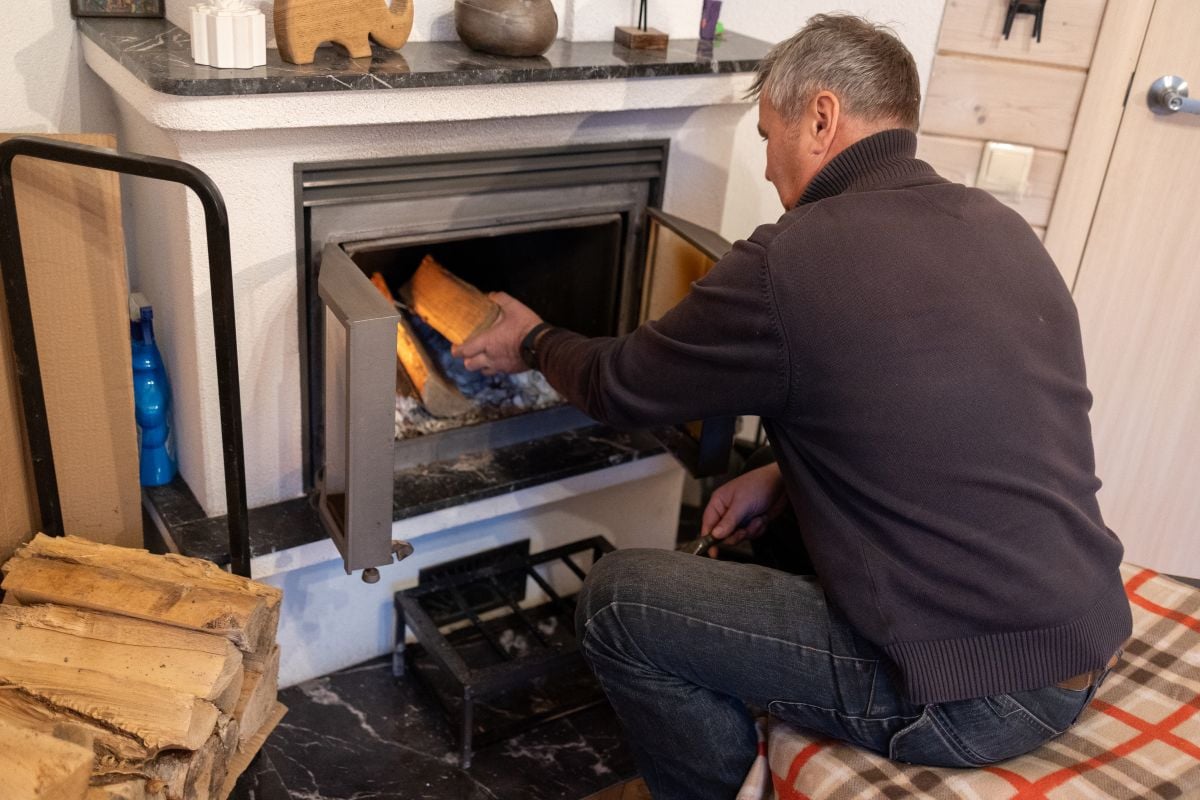
A fireplace adds comfort, charm, and value to your home—but when something goes wrong, it can quickly turn from cozy to concerning. Whether your unit won’t start, produces smoke indoors, or is simply due for maintenance, understanding your fireplace repair options can save you time, money, and stress. Gas, electric, and wood-burning fireplaces each come with unique challenges, but all require proper care to operate safely and efficiently. If you’re scheduling service or assessing a problem in Clarkston, MI and surrounding areas, you can explore professional support options.
What you’ll learn in this guide:
- How to recognize signs your fireplace needs repair
- Common problems by fireplace type
- What to expect during a professional repair visit
- Long-term maintenance tips for gas, electric, and wood units
- How to find qualified help in Clarkston, MI and surrounding areas
Why Fireplace Repairs Should Be a Priority

Fireplaces deal with heat, electricity, and combustible gases—all of which pose safety risks if not properly maintained. Delaying repairs can lead to bigger issues that affect your home’s air quality, efficiency, or structural safety.
- Protects Your Safety: Cracks, gas leaks, or electrical faults can pose serious hazards.
- Maintains Heating Efficiency: A functioning fireplace heats more evenly and uses less energy or fuel.
- Prevents Costly Damage: Small issues can lead to expensive structural repairs if ignored.
- Enhances Appearance and Comfort: Clean, working fireplaces add to your home’s visual appeal and usability.
- Keeps You Compliant: Certain components, like chimneys and gas valves, may need annual checks to meet local safety codes.
6 Common Fireplace Repair Issues by Type
Gas, electric, and wood fireplaces each require a different approach to diagnostics and repair. Here are the most common problems homeowners face with each type.
1. Gas Fireplace: Pilot Light or Ignition Problems
Gas fireplaces rely on a pilot light or electronic ignition to start the flame.
- Thermocouples or thermopiles can wear out.
- Dust and debris may block the pilot orifice.
- Gas valves may become stuck or corroded.
If your unit won’t ignite or doesn’t stay lit, the ignition system is often the culprit. Troubleshooting these delicate gas components is not a DIY job, so reaching out to expert fireplace technicians is the safest way to restore your system’s ignition.
2. Electric Fireplace: Heating and Lighting Issues
Electric fireplaces are generally reliable but can suffer from mechanical failure.
- Burned-out heating coils reduce warmth.
- Faulty blower fans cause poor airflow.
- Flame effects may stop working due to LED or motor issues.
Unusual noises, overheating, or intermittent operation often signal electrical problems that need repair. To prevent these localized hazards from affecting the rest of your circuitry, reviewing these 10 tips for electrical safety at home is a great way to ensure your property’s wiring can safely handle the load.
3. Wood Fireplace: Cracks and Masonry Damage
High temperatures and moisture can take a toll on firebrick, mortar, and chimney liners.
- Cracks in the firebox allow heat to reach surrounding materials.
- Damaged mortar joints weaken the firebox and chimney.
- Chimney liners can deteriorate, risking backdrafts and smoke leaks.
Early masonry repairs help prevent larger, more expensive structural damage.
4. Draft and Ventilation Problems
Poor draft can cause smoke to back into your home or prevent gas units from venting safely.
- Chimney blockages or creosote buildup are common causes.
- Flue dampers may stick open or closed.
- Improper vent sizing can reduce airflow and performance.
If your fire burns weakly or smoke enters your living space, draft issues should be evaluated.
5. Odors or Gas Smells
Any odd or persistent smell from your fireplace is a red flag.
- Rotten egg odors suggest a gas leak and should be addressed immediately.
- Burning dust smells often mean the system hasn’t been cleaned. If the burning smell persists throughout the house even when the unit is off, you may need to learn how to clean air ducts to remove accumulated debris from your wider HVAC system.
- Musty odors from wood units may signal moisture buildup or chimney mold.
Don’t ignore unusual smells—they can signal both minor and serious issues.
6. Cosmetic Damage and Component Wear
Even if your fireplace is safe to use, cosmetic damage and worn components can affect appearance and function.
- Ceramic gas logs may crack or discolor.
- Trim, glass doors, or surrounds may warp or loosen.
- Soot stains and dirty glass obscure flame visibility.
These problems often arise with regular use but are easily corrected during a service visit.
What Happens During a Fireplace Repair Visit

Whether your unit is gas, electric, or wood-burning, a service visit typically includes inspection, cleaning, and part replacement.
1. Initial System Evaluation
The technician starts by evaluating the type of unit and visible symptoms.
- For gas systems, they test ignition, flame sensors, and pressure levels.
- For electric models, they assess wiring, blowers, and heating elements.
- For wood fireplaces, they check masonry, flue condition, and combustion efficiency.
This sets the foundation for targeted, efficient repair work.
2. Cleaning and Safety Checks
Next, internal components are cleaned of soot, ash, dust, or debris.
- Burner ports and pilot assemblies are cleared.
- Fans, vents, and fireboxes are vacuumed or brushed.
- The area is checked for carbon monoxide or gas leaks.
Routine cleaning ensures both performance and safety.
3. Component Replacement
Technicians replace or repair any failing parts during the same visit when possible.
- Common replacements include thermocouples, sensors, blowers, and valves.
- Masonry cracks may be sealed with fire-resistant mortar.
- Electric heating coils or light motors are swapped out as needed.
You’ll be informed of any parts that require special ordering. By working strictly with licensed contractors, you can trust that any replacement parts installed will be manufacturer-approved and fully up to code.
4. Testing and Calibration
Once repairs are complete, your technician tests the entire system to confirm proper function.
- Flames are calibrated for shape, height, and color.
- Airflow and heat output are measured.
- Safety shutoff features are verified.
Everything should run quietly, evenly, and without odor or delay. For those with modern gas units, pairing this precise calibration with a smart thermostat installation can give you fully automated, efficient control over your living room’s comfort.
5. Maintenance Advice
Before wrapping up, you’ll receive basic maintenance suggestions to keep your fireplace in top shape.
- How often to clean or inspect your unit
- What to watch for between visits
- When to schedule your next seasonal service
Good contractors also recommend chimney sweeps or flue inspections if needed.
Fireplace Maintenance Tips by Type
Keeping your fireplace in good condition reduces the need for future repairs. Here’s how to approach routine care based on the unit you have.
Gas Fireplaces
- Clean burners and glass annually
- Inspect vent pipes for blockages
- Test carbon monoxide detectors near the unit
- Schedule seasonal inspections before winter
Electric Fireplaces
- Dust vents and fans regularly
- Ensure nearby outlets aren’t overloaded
- Clean the flame display with soft cloths only
- Have heating coils checked every 1–2 years
Wood Fireplaces
- Have your chimney swept at least once a year
- Only burn seasoned hardwoods
- Clean ash buildup regularly
- Check for chimney cap or flashing damage
When to Call for Professional Fireplace Repair
Some minor problems can be fixed with cleaning or filter changes, but these signs warrant a call to a pro.
- Pilot light won’t stay lit
- Unusual odors, especially burning or gas
- Weak or uneven flames
- Smoke entering the room
- Cracked firebrick or discolored logs
- Electrical issues or flickering controls
If you live in Clarkston, MI and surrounding areas, these issues should be addressed before continued use of your fireplace.
Choosing the Right Fireplace Repair Company

The right contractor ensures safe, lasting repairs. Here’s what to look for in a qualified provider.
What to Ask
- Do you service gas, electric, and wood units?
- Are your technicians certified in fireplace repair?
- Do you provide written estimates before starting work?
- Can you handle chimney, venting, and structural issues too?
- What is your service area and response time for Clarkston, MI and surrounding areas?
Qualities to Prioritize
- Local Experience: Look for contractors familiar with Michigan codes and weather impacts.
- Full-Service Capabilities: Some companies handle both fireplace and chimney repairs.
- Transparency: Choose providers who offer clear explanations and pricing.
- Customer Service: Look for positive reviews and responsive communication.
Schedule Expert Fireplace Repair with Rolls Mechanical
If your fireplace isn’t working like it should, don’t wait until winter hits or problems worsen. Taking care of issues now helps you enjoy a safe, warm, and efficient home all season long.
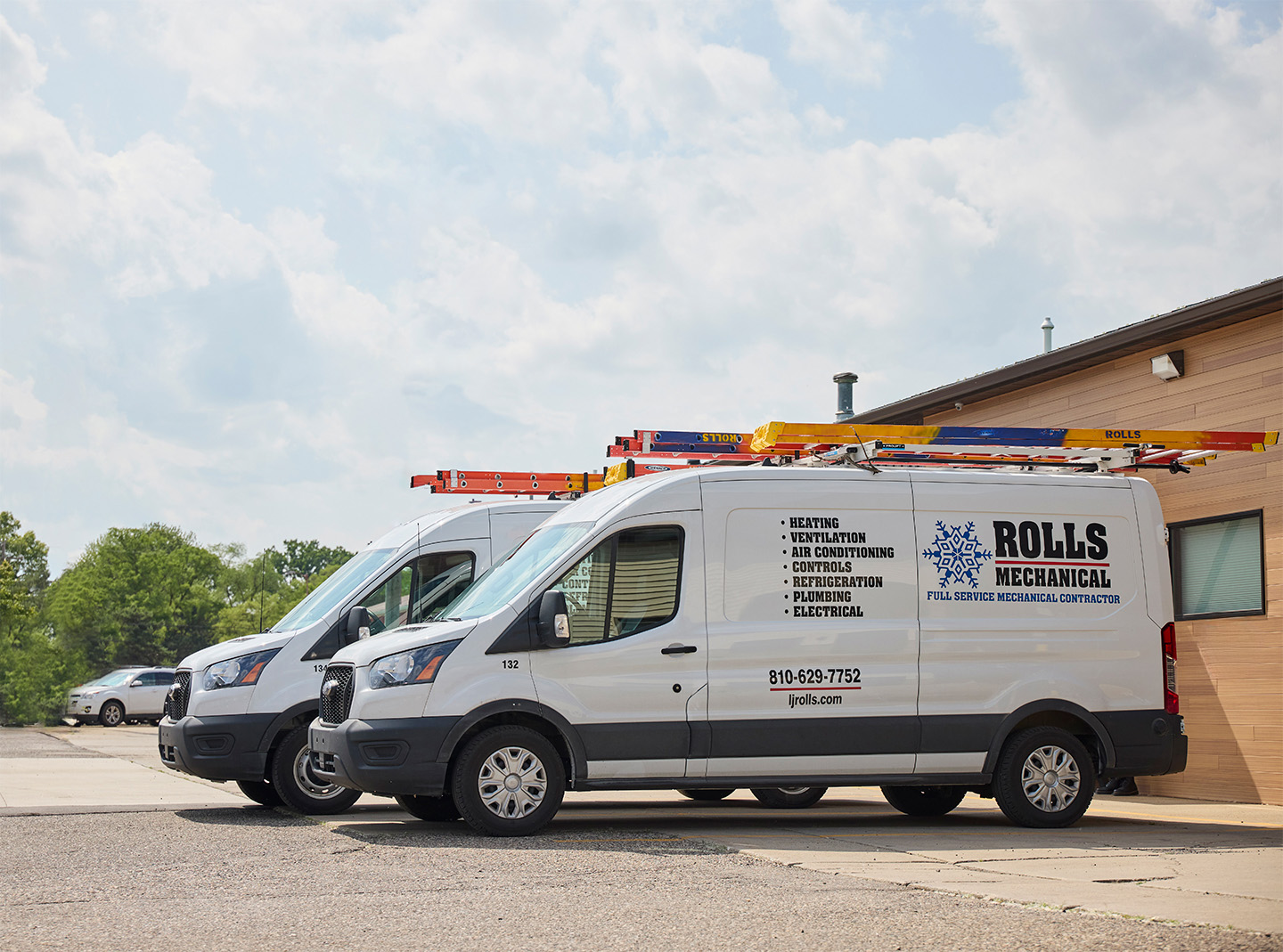
Rolls Mechanical provides trusted fireplace repair across Clarkston, MI and surrounding areas. Whether your system is gas, electric, or wood-burning, we bring the tools and experience to restore comfort and safety.
To schedule your appointment or speak with a technician, contact us today. Rolls Mechanical is here to help.