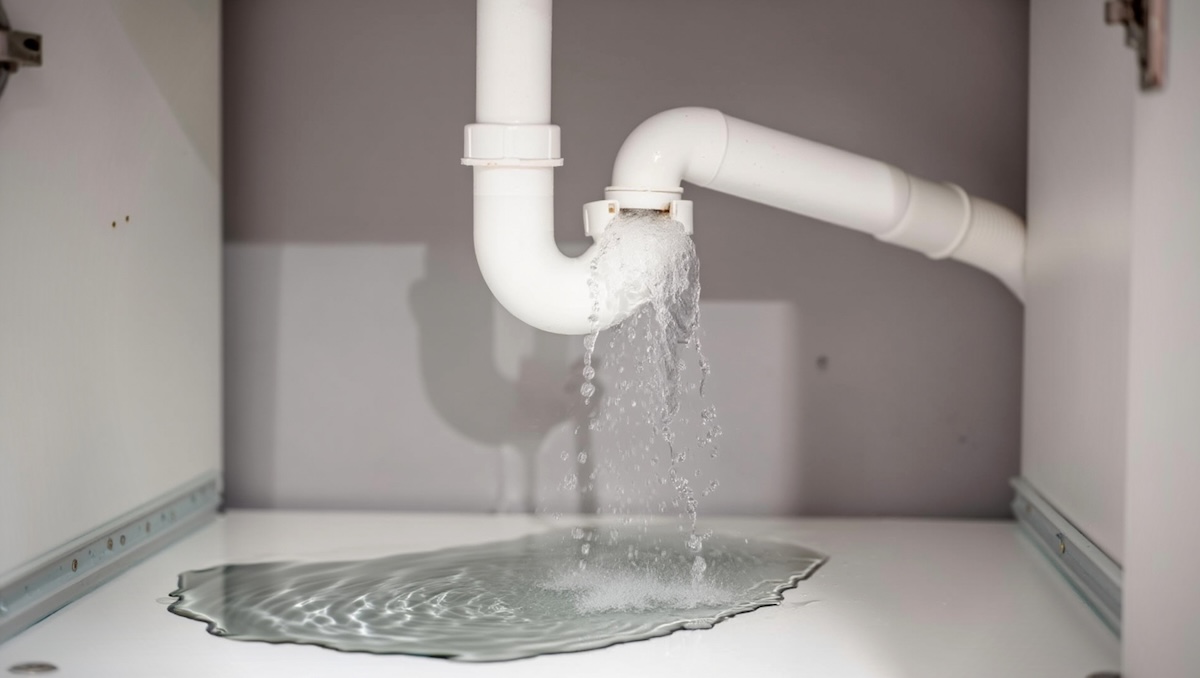
When a plumbing disaster happens, knowing how to act quickly can save you time, money, and extensive damage. The urgency of an emergency plumbing situation requires immediate action, even before professional plumbers arrive. Having a clear plan helps reduce stress and prevents minor issues from escalating into costly repairs. For expert assistance, consider visiting our reliable plumbing services page to learn how professionals can support you during these crises.
- Understanding the importance of prompt response in plumbing emergencies
- Step-by-step guidance to mitigate damage before professional help arrives
- Common tools and techniques to temporarily fix issues safely
- How to assess the severity of a plumbing emergency
- Preventive tips to reduce future plumbing emergencies
Why Emergency Plumbing Matters More Than You Think

Unexpected plumbing issues such as burst pipes or overflowing toilets can cause significant water damage if left unchecked. Acting swiftly during an emergency plumbing event can save your home from long-term damage and expensive repairs.
Moreover, understanding basic emergency plumbing measures gives you peace of mind and greater control over the situation. If you want to take a proactive approach to protecting your property before disaster strikes, following our 8 fall plumbing tips to prepare your home will ensure your system is ready to handle seasonal temperature drops.
- Water damage prevention: Immediately stopping water flow minimizes structural damage and mold growth.
- Safety considerations: Proper handling of leaks near electrical fixtures reduces risk of shocks.
- Cost savings: Temporary fixes reduce expenses until professionals fix the problem.
- Maintaining hygiene: Stopping contaminated water spills protects your family’s health.
- Peace of mind: Being prepared reduces panic and helps you act decisively.
7 Essential Steps to Take During an Emergency Plumbing Situation
Before professional help arrives, there are several critical steps that you can take to limit damage and improve the outcome. These actions are simple but effective measures that every homeowner should know.
1. Shut Off the Main Water Supply
The first and most critical step in any plumbing emergency is to turn off the water supply to your home. This prevents further flooding or leaks while you manage the crisis.
- Locate your shut-off valve: Usually found near the water meter or where the main water line enters the house.
- Turn clockwise: Tighten the valve to stop water flow completely.
2. Turn Off Electricity If Necessary
If the plumbing issue causes water near electrical outlets or appliances, shut off the electricity to prevent electrocution or fire risk. Safety should always come first.
- Access your circuit breaker: Switch off the main power breaker to the affected areas or the entire house.
- Avoid contact with water and electrical devices simultaneously unless you are certain power is off.
3. Drain Remaining Water From Fixtures
Draining pipes or fixtures helps relieve pressure and prevents additional leaks or bursts. Open taps or flush toilets to release any remaining water in the system.
- Open lower-level faucets first: Helps to drain pipe networks starting from the bottom.
- Flush toilets: Empties the tank to minimize leaks.
4. Use Towels and Buckets to Contain Water
Collecting and containing spilled water quickly limits damage to floors, walls, and furniture. Use towels, mops, buckets, or any available containers for temporary water control.
5. Identify the Source and Type of Problem
Understanding whether the leak is coming from a pipe, faucet, water heater, or appliance can help when you describe the problem to a plumber. It also helps you decide if temporary measures can be applied safely.
6. Apply Temporary Repairs If Possible
For minor leaks, using pipe clamps, rubber patches, or waterproof tape can reduce water flow until the plumber arrives. Avoid over-tightening or complicated repairs without proper knowledge. Once the immediate leak is temporarily contained, having experienced plumbing contractors assess the damage will prevent you from making costly DIY mistakes.
7. Document the Damage
Take photos or videos of the affected areas and damaged property. This is useful for insurance claims and ensuring you receive full coverage for repairs.
Further Insights: Common Emergency Plumbing Problems and How to Recognize Them

Knowing typical scenarios that classify as plumbing emergencies helps you quickly identify and respond correctly to crises.
- Burst Pipes: Often produce loud noises and flooding, requiring immediate shut off of water supply.
- Water Heater Leaks: Pooling water near your heater or discolored water from taps signals problems. Staying on top of your routine water heater maintenance is the most effective way to spot these early warning signs before the bottom of the tank fails completely.
- Severe Toilets Blockage: Overflowing toilets suggest blockage that may lead to sewage backups.
- Sewer Line Backups: Foul odors and slow drains indicate troubling sewer issues needing fast attention.
- Frozen Pipes: In colder climates, frozen pipes can crack and burst unexpectedly.
Older homes are especially vulnerable to these unexpected blowouts, so knowing whether your property relies on an aging galvanized pipe system can help you accurately gauge your true risk level.
Emergency Plumbing Tools and Supplies Every Homeowner Should Have
Being prepared means having the right tools handy. Assembly of basic supplies can make the initial response easier and more effective.
- Adjustable wrench: Essential for turning off valves or loosening plumbing parts.
- Plumbing tape (Teflon tape): For sealing threaded joints temporarily.
- Pipe repair clamp or rubber patch: Quick-fix options for leaks.
- Bucket and towels: For collecting and soaking up excess water.
- Plunger: Useful for unclogging minor toilet or sink blockages.
Frequently Asked Questions About Emergency Plumbing
Plumbing problems can range from minor inconveniences to serious situations that cause rapid damage to your home. Understanding the difference helps homeowners act quickly when necessary while avoiding unnecessary emergency service calls.
How do I differentiate between a plumbing emergency and a minor issue?
If there is active flooding, a burst pipe, or sewage backup, consider it an emergency requiring immediate action. Minor leaks or slow drains can typically wait for routine plumbing visits.
What should I avoid during an emergency plumbing situation?
Avoid using electrical appliances near water leaks, attempting complex repairs without experience, and ignoring the problem hoping it resolves itself.
How quickly should I call a professional plumber?
As soon as you have taken the initial steps to minimize damage, contact a licensed plumber to ensure safe and permanent repairs.

Taking Control When It Counts: Final Steps and Recommendations
Knowing the steps to take during an emergency plumbing event empowers you to safeguard your home efficiently. Remember that temporary fixes are just that—temporary. The sooner you bring in expert assistance, the better the outcome for your property and peace of mind.
Rolls Mechanical is dedicated to providing prompt and reliable plumbing support. Don’t hesitate to contact us today to schedule a consultation or emergency service in rolls mechanical and surrounding areas.