
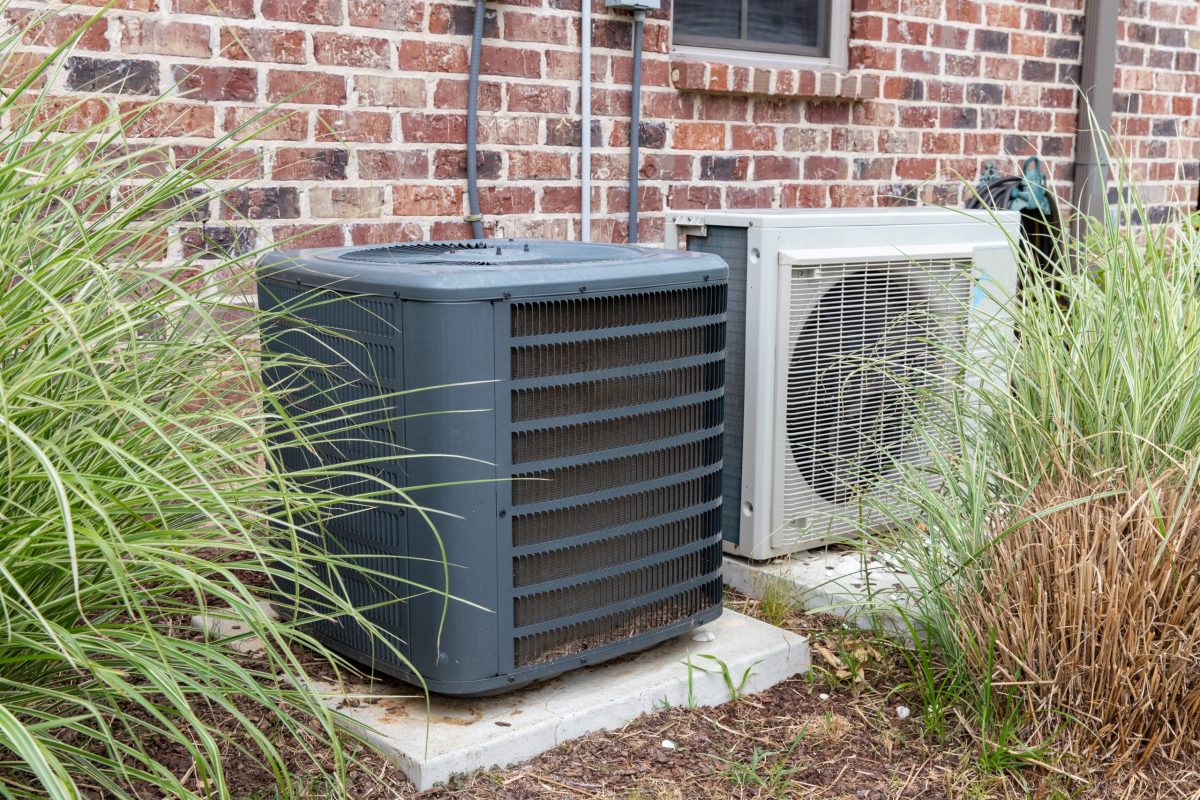
More homeowners are asking about ductless systems than ever before, and for good reason. A ductless mini split system offers a level of flexibility, efficiency, and zone control that traditional forced-air systems simply cannot match in certain applications. But like any HVAC technology, it comes with tradeoffs that matter depending on your home, your climate, and your comfort priorities. Understanding how modern heating and cooling options balance efficiency with practical installation requirements gives you the context to evaluate whether a mini split is genuinely the right fit or whether a different approach serves your situation better.
In this guide, you will learn:
- What a ductless mini split system is and how it works
- The key advantages that make mini splits the right choice for many Michigan homeowners
- The limitations and drawbacks that make them a poor fit in other situations
- How to determine whether your home and budget align with what mini splits deliver
- What installation involves and how to find a qualified contractor
What a Ductless Mini Split System Actually Is

A ductless mini split system consists of an outdoor compressor unit connected to one or more indoor air-handling units through a conduit that carries refrigerant lines, a power cable, and a condensate drain line. Unlike central HVAC systems that distribute conditioned air through a network of ducts, a mini split delivers heating or cooling directly into the zone it serves through the indoor unit mounted on the wall, ceiling, or floor of that space.
The absence of ductwork is what gives the system its name and its most significant characteristic. For homes in West Bloomfield, MI and surrounding areas where adding or extending ductwork is impractical or cost-prohibitive, a ductless mini split system often provides the most viable path to zone-level climate control without a major renovation.
- Zone-Level Comfort: Each indoor unit operates independently, which means different rooms can be set to different temperatures simultaneously, eliminating the comfort compromises that come with single-thermostat central systems.
- High Efficiency Ratings: Mini splits operate using inverter-driven variable-speed compressors that modulate output to match the actual load rather than cycling on and off at full capacity, which produces efficiency ratings that significantly exceed most central systems.
- Heating and Cooling in One System: Most mini splits are heat pumps, meaning they provide both heating and cooling using the same refrigerant circuit, which eliminates the need for separate heating equipment in many applications.
- No Duct Losses: Duct systems in typical homes lose 20 to 30 percent of conditioned air to leakage and heat transfer before it reaches the living space. Mini splits eliminate this loss entirely, which contributes directly to their efficiency advantage.
- Quick Installation in Retrofit Applications: In spaces where running new ductwork would require opening walls, floors, or ceilings, a mini split installation typically requires only a small penetration through an exterior wall for the conduit, dramatically reducing the scope and cost of the project.
5 Pros of a Ductless Mini Split System
Mini splits have genuine advantages that make them the right answer for a specific and meaningful set of applications. These are not marketing claims but real performance characteristics that homeowners experience in daily operation.
1. Exceptional Energy Efficiency
The inverter technology that drives most ductless mini split systems produces efficiency ratings expressed as SEER2 for cooling and HSPF2 for heating. High-efficiency mini splits regularly achieve SEER2 ratings of 20 and above, compared to 15 to 18 for most central systems. At partial load, which represents the majority of real-world operating hours, mini splits maintain their efficiency advantage because the variable-speed compressor slows down rather than cycling off and restarting.
For homeowners in West Bloomfield, MI and surrounding areas using mini splits as a primary heating source through Michigan winters, the heating efficiency advantage compounds over an entire season of operation and produces meaningful utility savings compared to electric resistance heat or older heat pump technology.
- SEER2 ratings above 20 are common for mid-range mini split systems from major manufacturers
- HSPF2 ratings reflect heating efficiency and vary significantly between systems, with cold-climate models maintaining efficiency at temperatures well below freezing
- Utility rebates for high-efficiency mini splits are available through many Michigan utilities and can offset a significant portion of the installation cost
2. Precise Zone Control Without Ductwork
The ability to condition individual rooms to individual setpoints is the feature that makes mini splits genuinely different from central systems in daily use. A home office that generates significant heat from equipment can be kept cooler than an adjacent bedroom without affecting either space’s actual comfort. A room addition that the existing duct system cannot adequately serve can be added without redesigning the entire distribution system.
Multi-zone mini split configurations allow a single outdoor unit to serve two, three, four, or more indoor units independently, each with its own thermostat and its own operation schedule. For homeowners in West Bloomfield, MI and surrounding areas with multi-story homes, finished basements, or additions that have always been difficult to condition, this flexibility resolves problems that have persisted through multiple HVAC system replacements.
- Multi-zone systems can typically support between two and eight indoor units on a single outdoor unit, depending on capacity
- Each indoor unit is controlled independently through a remote, a wall-mounted thermostat, or a smartphone app
- Zoning eliminates the need to condition unoccupied rooms, which reduces energy consumption during periods when only part of the home is being used
3. Minimal Disruption Installation in Existing Homes

In retrofit situations where adding ductwork is impractical because of the construction of the home, a mini split installation is dramatically less disruptive than any ducted alternative. The installation typically requires a three-to-four-inch penetration through an exterior wall for the conduit, brackets or a pad for the outdoor unit, and mounting hardware for the indoor unit. In most cases, a single-zone installation can be completed in one to two days without opening walls, floors, or ceilings.
This makes mini splits the practical solution for finished spaces, historic homes where ductwork would damage original materials, and buildings where the structural layout makes duct routing impossible without major reconstruction. The installation scope is entirely different from a whole-house duct system, and the disruption to the occupied space reflects that difference.
4. Quiet Operation Compared to Central Systems
Indoor mini split air handlers operate at remarkably low sound levels, typically in the 19 to 35 decibel range, which is quieter than a whispered conversation. The compressor noise is located outdoors with the condensing unit, and the indoor unit produces only the soft sound of air moving across the evaporator coil and through the discharge louvers. For bedrooms, home offices, and other noise-sensitive spaces, this level of quiet operation is a genuine quality-of-life improvement over central systems with loud registers and cycling compressors.
5. Cold Climate Heating Performance
Modern cold-climate mini split systems, sometimes called hyper-heat or cold-climate heat pumps, maintain significant heating output at outdoor temperatures well below zero degrees Fahrenheit. Standard heat pumps lose efficiency as outdoor temperatures drop and typically require supplemental electric resistance heat below 30 to 35 degrees. Cold-climate mini splits from manufacturers including Mitsubishi, Daikin, and LG maintain 100 percent rated heating capacity at temperatures as low as 5 degrees Fahrenheit and continue to operate, with reduced but meaningful output, at temperatures below negative 20 degrees.
For Michigan homeowners who have been told that heat pumps do not work well in cold climates, cold-climate mini split technology represents a genuine change in what is possible. The efficiency and performance characteristics that made heat pumps impractical for primary heating in northern climates no longer apply to the latest generation of cold-climate systems.
The Cons of a Ductless Mini Split System
Understanding the limitations of mini splits is as important as understanding their advantages. For some homeowners and some applications, the drawbacks are significant enough to make a different system the better choice.
- Higher Upfront Cost: A single-zone mini split installation from a qualified contractor typically runs $3,000 to $5,000 or more, and multi-zone systems can reach $10,000 to $20,000 or higher for whole-home coverage. The upfront cost is almost always higher than an equivalent central system, even when the long-term operating cost advantage favors the mini split.
- Indoor Unit Visibility: Mini split air handlers are mounted on the wall or ceiling of the conditioned space and are permanently visible as a piece of mechanical equipment. Homeowners with specific interior design priorities sometimes find this aesthetically unacceptable. Concealed ceiling cassette models reduce the visual impact but add installation complexity and cost.
- Requires Professional Service: Mini splits use refrigerant circuits that require EPA Section 608 certified technicians for installation and any service involving refrigerant. DIY installation is not a legal option and voids manufacturer warranties. In markets where qualified mini split service technicians are less common, finding trained service providers can be a challenge.
- Per-Zone Cost Adds Up in Whole-Home Applications: In homes that require four or more zones for whole-home coverage, the per-zone cost of mini splits can make a whole-home mini split system significantly more expensive than a central system with properly designed ductwork. The economics favor mini splits most strongly in applications where only one to three zones are needed or where ductwork installation is prohibitively expensive.
- Outdoor Unit Placement Limitations: The outdoor condensing unit requires adequate clearance, access for maintenance, and a suitable mounting location. In homes with limited exterior wall exposure, dense urban lots, or HOA restrictions on mechanical equipment placement, finding an acceptable outdoor unit location can be challenging.
- Air Filtration is Limited: Central HVAC systems with media filters or UV air treatment systems can filter and treat all of the air in the home through a single filtration point. Mini splits filter the air in each zone independently through relatively basic filters, and there is no single point in the system where whole-home air quality treatment can be applied.
Is a Ductless Mini Split System Right for Your Home?

The honest answer is that mini splits are the right choice for specific applications and the wrong choice for others. Evaluating your situation against the characteristics below gives you the clearest picture of where your home falls on that spectrum.
Applications Where Mini Splits Excel
Mini splits are almost always the right choice for room additions where extending the duct system is impractical or more expensive than a self-contained mini split installation. They are the right choice for finished garages, workshops, and accessory dwelling units that need conditioning independent of the main home. They work well for homes without existing ductwork that are considering their first HVAC system, and for specific rooms in a home that are consistently uncomfortable regardless of how the central system is adjusted.
In West Bloomfield, MI and surrounding areas where older homes with steam or hot water radiant heat systems have no existing ductwork and no practical path for adding it, mini splits provide whole-home cooling capacity without the duct installation that would otherwise make cooling those homes cost-prohibitive.
Applications Where a Different Approach Makes More Sense
Homes with existing ductwork in good condition that are simply replacing an aging central system will almost always find better economics in a high-efficiency central system replacement than in a whole-home mini split conversion. The existing duct infrastructure represents an investment that a central system leverages directly, while a mini split system cannot use it.
New construction homes, where ductwork can be properly designed and installed before walls are closed, also typically find better economics in a central system, particularly when the design allows for whole-home filtration and humidity control that mini splits cannot replicate as effectively.
The Hybrid Approach
Many homeowners find the best outcome in a hybrid approach that uses a central system for the majority of the home while adding a mini split or two for specific problem spaces. A home with a consistently uncomfortable bonus room over a garage, for example, might keep its existing central system and add a single-zone mini split to resolve the one problem that the central system cannot address. This approach captures the mini split’s advantage precisely where it is needed without the cost of a whole-home conversion.
Find Out Whether a Mini Split Is Right for Your Situation
A ductless mini split system is not a universal upgrade, but for the right application, it is one of the most effective comfort solutions available. The pros and cons above give you a complete picture of what you gain and what you give up, and the application guidance clarifies where in that spectrum your home and needs fall.
Getting the right answer for your specific situation requires a site evaluation by a contractor who understands both mini split technology and the alternatives, and who is focused on recommending what actually fits rather than what they sell most often. Rolls Mechanical serves homeowners throughout West Bloomfield, MI and surrounding areas with honest HVAC assessments and qualified installation for mini split systems, central systems, and hybrid approaches that combine both. Contact us today to schedule a consultation and find out which solution genuinely makes the most sense for your home.