Commercial HVAC systems work hard to keep your business comfortable, but even the most reliable systems encounter problems. Understanding common issues and their solutions can help you maintain optimal performance and avoid costly downtime.
This comprehensive guide covers the most frequent commercial HVAC repair challenges and practical fixes that can keep your system running smoothly. We’ll explore:
- Understanding your commercial HVAC system
- Most common commercial HVAC repair issues
- Preventive maintenance tips
- Trust HVAC professional for your commercial HVAC needs
Understanding Your Commercial HVAC System

Commercial HVAC systems are complex networks of components designed to heat, cool, and ventilate large spaces efficiently. Unlike residential units, these systems handle greater capacity demands and operate for extended periods.
Because these industrial units are significantly larger than residential setups, partnering with local commercial HVAC technicians ensures your building has the specialized expertise required to maintain such massive equipment.
Key Components of a Commercial HVAC System
- Compressors: Essential for circulating refrigerant and maintaining temperature control.
- Condensers: Help release heat from the system.
- Evaporators: Absorb heat to cool the air.
- Thermostats: Monitor and regulate indoor temperatures.
- Ductwork: Distributes air throughout the facility.
- Filters: Maintain air quality by capturing dust and allergens.
Most Common Commercial HVAC Repair Issues

Understanding common commercial HVAC repair issues is crucial to maintaining a comfortable and efficient workplace. Addressing these problems early can help prevent costly repairs and downtime.
1. Poor Airflow Throughout the Building
Restricted airflow is one of the most frequent problems affecting commercial HVAC systems. You might notice uneven temperatures, stuffy air, or certain areas that never seem to reach the desired temperature.
Common causes include dirty air filters, blocked vents, or damaged ductwork. Filters should be checked monthly and replaced when dirty. Clear any obstructions from supply and return vents, and inspect ductwork for leaks or damage.
2. Thermostat Control Problems
Faulty thermostats can cause your system to run constantly, cycle on and off frequently, or fail to maintain consistent temperatures. This wastes energy and creates uncomfortable working conditions.
Check thermostat batteries first, then verify the unit is level and clean. Ensure programming matches your business schedule and that sensors aren’t blocked by furniture or equipment.
3. Refrigerant Leaks
Low refrigerant levels reduce cooling capacity and force your system to work harder. Signs include ice buildup on coils, reduced cooling performance, and higher energy bills.
Refrigerant leaks require professional attention. EPA regulations require certified technicians to handle refrigerant, and leaks indicate underlying issues that need proper diagnosis and repair.
If you suspect your system is losing its cooling charge, reviewing the specific warning signs of a refrigerant leak will help you shut down the equipment before the compressor burns out completely.”
4. Electrical Component Failures
Electrical problems can range from blown fuses to failed contactors or capacitors. These issues might cause your system to shut down unexpectedly or fail to start.
Basic electrical troubleshooting includes checking circuit breakers and ensuring power connections are secure. However, most electrical repairs require professional expertise for safety and code compliance.
5. Compressor Malfunctions
The compressor is your system’s heart, circulating refrigerant to provide cooling. Compressor problems often result from electrical issues, refrigerant problems, or normal wear from extended operation.
Signs of compressor trouble include unusual noises, vibrations, or complete cooling system failure. These repairs typically require professional service due to their complexity and cost. When this critical component completely locks up, you will immediately notice your AC not blowing cold air throughout the entire commercial facility.
6. Dirty Filters and Ductwork Issues
Clogged filters restrict airflow and reduce indoor air quality. In commercial settings, filters may need changing more frequently due to higher usage and environmental factors.
Ductwork problems like leaks, disconnections, or blockages affect system efficiency and comfort. Regular inspections help identify these issues before they become major problems.
To maintain optimal indoor air quality and prevent these blockages from forming, facility managers must understand exactly how to clean air ducts safely without damaging the fragile internal lining.
Preventive Maintenance Tips

Preventive maintenance is key to avoiding costly repairs and ensuring your system runs efficiently for years to come. A proactive approach not only saves money but also enhances the overall performance of your equipment. Follow these tips to keep your system in top shape:
Create a Monthly Maintenance Checklist
Design a simple monthly checklist to stay on top of routine maintenance tasks. Include steps like:
- Inspecting and replacing air filters: Maintain airflow and indoor air quality.
- Checking the thermostat settings: Ensure accurate temperature control.
- Performing a visual inspection of equipment: Look for any signs of wear, leaks, or unusual sounds.
These small tasks, if done regularly, can prevent major problems down the line.
Schedule Professional Maintenance Twice a Year
While monthly tasks are essential, some maintenance requires the expertise of a professional technician. Schedule biannual service appointments to handle more complex procedures, such as:
- Checking refrigerant levels and recharging if necessary: Ensures optimal cooling performance.
- Testing electrical components: Prevents malfunctions or safety hazards.
- Conducting a thorough cleaning of the system: Removes dirt and buildup that could affect efficiency.
Professional maintenance ensures that your equipment is operating safely and efficiently.
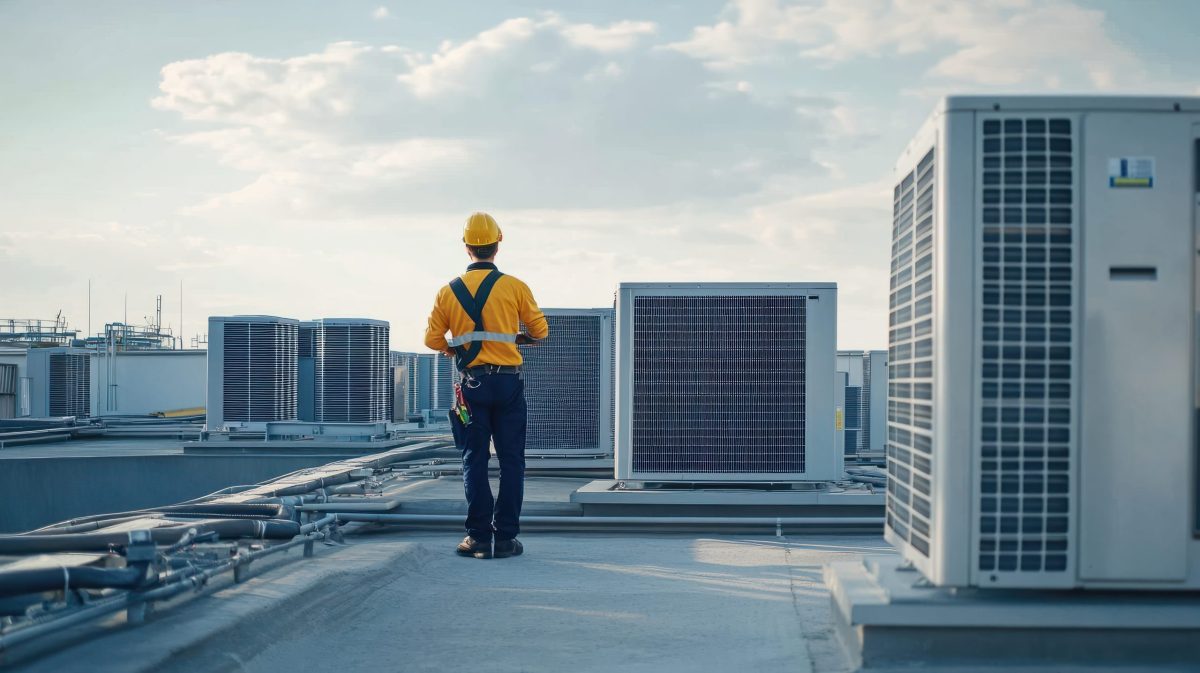
Keep Outdoor Units Free of Obstructions
Outdoor units play a crucial role in your system’s performance but are often overlooked. To avoid unnecessary strain on your system:
- Clear away leaves, dirt, and debris around the unit: Maintain proper airflow.
- Ensure at least two feet of clearance around the unit: Prevent overheating.
- Regularly check for signs of damage or blockages: Nearby plants or landscaping can restrict airflow.
Address Minor Issues Promptly
Small issues, such as unusual noises or minor leaks, can quickly escalate into major repairs if left unaddressed. Act quickly and consult a professional HVAC technician if you notice anything unusual. Early intervention can save significant time and money in the long run.
Preventive maintenance is an investment in the longevity and efficiency of your system. By following these tips and staying consistent with care, you can avoid unexpected breakdowns and enjoy uninterrupted comfort all year long.
Trust Rolls Mechanical for Your Commercial HVAC Needs
When your commercial HVAC system needs expert attention, Rolls Mechanical delivers reliable solutions with over 30 years of experience. Our team understands the unique demands of commercial systems and provides prompt, professional service to minimize downtime.
Ready to ensure your commercial HVAC system runs reliably? Contact Rolls Mechanical today for expert service you can trust. Our experienced technicians will diagnose problems accurately and provide lasting solutions that keep your business comfortable year-round.