
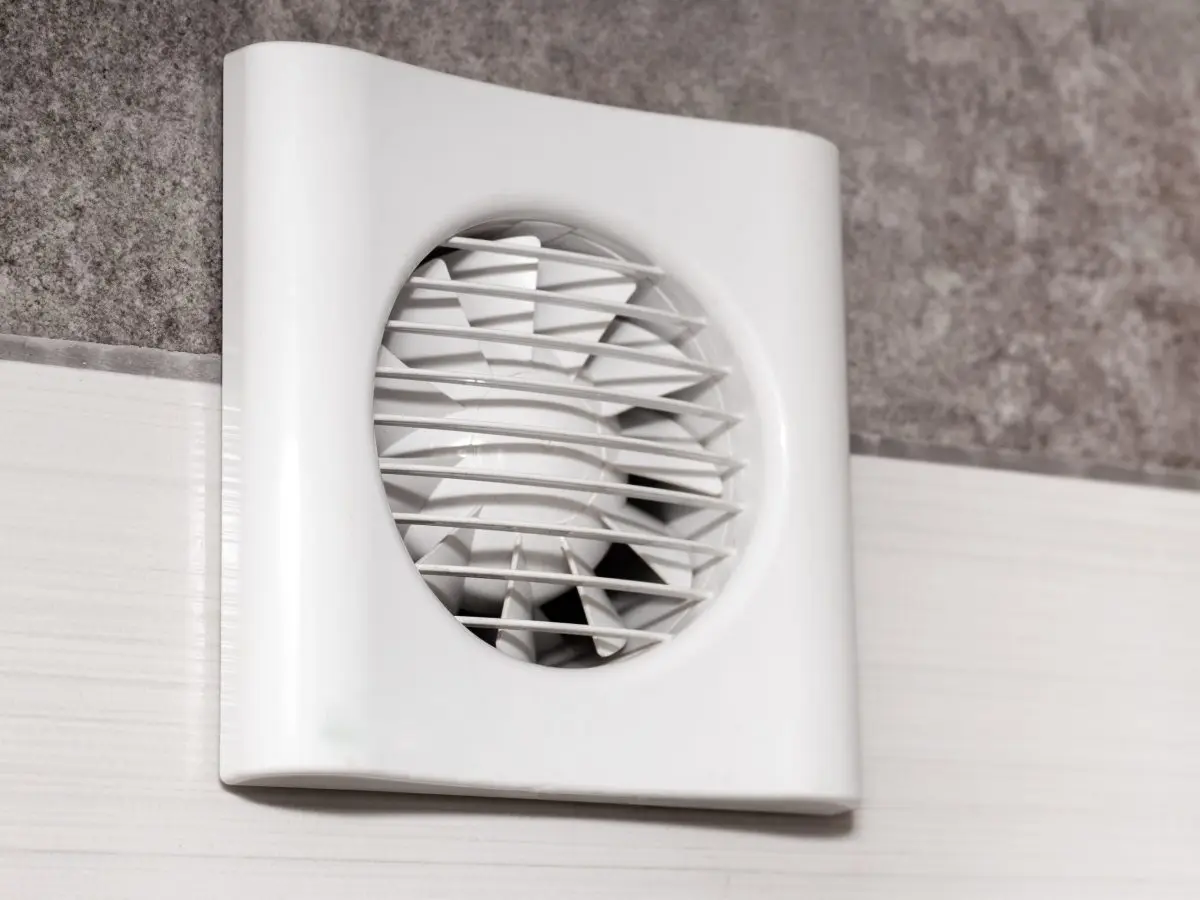
The bathroom is the most moisture-intensive room in a home, producing humidity from showers and baths that, without adequate ventilation, settles into walls, ceilings, and fixtures and creates conditions that damage materials and degrade air quality over time. Bathroom exhaust fans are the primary mechanical solution for removing that moisture-laden air before it causes problems, and most homeowners significantly underestimate both how much this one component affects the health of the home and how often these fans are undersized, incorrectly installed, or simply not running long enough to do their job. The science of managing the relationship between moisture, air movement, and indoor air quality in residential buildings starts in the bathroom, where conditions change the most dramatically during the course of a normal day.
In this guide, you will learn:
- What happens to a bathroom and the surrounding home when exhaust ventilation is inadequate
- The 7 concrete benefits that properly functioning bathroom exhaust fans deliver
- How to select the right fan for your bathroom’s size and usage patterns
- What proper installation looks like and why fan placement and duct routing matter
- How to maintain a bathroom exhaust fan so it continues to perform effectively
What Happens Without Adequate Bathroom Exhaust Ventilation

A single ten-minute shower introduces as much as a pint of moisture into the bathroom air. Without a functioning exhaust fan, that moisture has nowhere to go except the surfaces in the room and the air that eventually migrates into adjacent spaces. The effects accumulate daily and become visible as peeling paint on the ceiling, persistent condensation on windows and mirrors, grout discoloration, caulk failure around the tub and shower, and eventually the dark staining that signals mold growth behind finished surfaces.
For homeowners in Lansing, MI and surrounding areas dealing with Michigan’s humid summers and the temperature differentials that create condensation risks in winter, bathroom moisture that is not actively exhausted creates structural and air quality problems that compound over years and require expensive remediation when they are finally addressed.
- Structural Damage Prevention: Moisture that saturates drywall, framing, subfloor materials, and ceiling finishes accelerates deterioration in ways that are often invisible until the damage has become extensive. A properly functioning exhaust fan removes moisture before it has the opportunity to penetrate beyond the surface.
- Mold and Mildew Control: Mold requires moisture to grow, and a bathroom that is consistently humid provides ideal conditions for mold colonization in grout, caulk, drywall, and ceiling materials. Adequate exhaust ventilation keeps surfaces dry between uses and removes the environmental conditions that support mold growth.
- Indoor Air Quality Protection: Bathrooms generate volatile organic compounds from cleaning products, personal care products, and naturally occurring gases that accumulate in a poorly ventilated space. Regular exhaust during and after bathroom use removes these compounds from the air before they migrate to other areas of the home.
- Odor Management: The most immediately obvious function of a bathroom exhaust fan is odor elimination, but the same air movement that removes odors also removes the moisture and chemical compounds that degrade bathroom air quality over time.
- Long-Term Cost Avoidance: A functioning bathroom exhaust fan that costs a few dollars per year to operate prevents mold remediation, drywall replacement, ceiling repainting, caulk and grout replacement, and in severe cases structural repair that can cost thousands of dollars to address after the fact.
7 Benefits of Bathroom Exhaust Fans for Air Quality and Moisture Control
These seven benefits represent the full range of what a properly selected, installed, and maintained bathroom exhaust fan delivers to a home. They are interconnected, and the absence of effective ventilation undermines all of them simultaneously.
1. Effective Moisture and Humidity Removal
The primary function of a bathroom exhaust fan is removing moisture-laden air from the bathroom before it can condense on surfaces. A fan that is properly sized for the room’s volume and capable of achieving the air changes per hour recommended for bathroom applications moves enough air volume to keep relative humidity in the room from reaching the levels that cause condensation and material damage.
The measure of a fan’s capacity is CFM, or cubic feet per minute of air that the fan moves through the bathroom. The minimum recommended ventilation rate for a bathroom is one CFM per square foot of floor area, with a minimum of 50 CFM for any bathroom. A bathroom with a shower or a large soaking tub benefits from higher CFM ratings that account for the additional moisture load these fixtures produce. A fan that is undersized for its bathroom will run continuously without effectively reducing humidity, which is one of the most common reasons homeowners experience persistent moisture problems despite having an exhaust fan installed.
- Calculate the minimum required CFM by multiplying the bathroom’s square footage by 1.0 for a basic bathroom and by 1.5 for a bathroom with a shower or tub
- Fans are rated at CFM under zero static pressure test conditions, but actual installed performance is always lower due to duct resistance, so select a fan with a CFM rating that exceeds the calculated minimum
- For large bathrooms over 100 square feet, calculate the required CFM based on the room’s cubic volume rather than square footage
2. Mold and Mildew Prevention
Mold grows wherever moisture and organic material coexist for extended periods, and a bathroom that is not adequately ventilated provides both. The grout between tiles, the caulk around the tub and shower, the drywall behind tile, and the ceiling above the shower are all vulnerable to mold colonization when relative humidity remains elevated for prolonged periods.
Running the bathroom exhaust fan during every shower and for at least 20 minutes afterward is the single most effective behavioral change a homeowner can make to prevent bathroom mold. A humidity-sensing fan that runs automatically until bathroom humidity drops to an acceptable level eliminates the need to remember this timing, which is why humidity-sensing models are recommended for households where consistent fan use cannot be guaranteed.
- Surface mold on grout and caulk is an early indicator that bathroom ventilation is insufficient, and addressing it by cleaning alone without improving the ventilation will result in recurrence
- Mold that appears on the bathroom ceiling, particularly in the corner above the shower, indicates that steam is reaching the ceiling and condensing there before the fan can remove it
- For homeowners in Lansing, MI and surrounding areas with existing bathroom mold, professional mold assessment before remediation is important to determine whether the growth has extended behind finished surfaces

3. Protection for Bathroom Surfaces and Finishes
Paint, wallpaper, and decorative finishes in a bathroom that is not adequately ventilated deteriorate faster than the same materials in properly ventilated spaces. Paint blistering and peeling on ceilings and walls above shower areas, wallpaper seam lifting, and premature failure of caulk and grout are all signs of chronic moisture exposure that adequate ventilation would prevent.
Bathroom cabinetry is also vulnerable to moisture damage over time, with wood swelling, finish failure, and joint deterioration occurring faster in humid environments. Mirrors and light fixtures in poorly ventilated bathrooms experience faster deterioration from condensation exposure than those in well-ventilated spaces. The cumulative cost of replacing finishes, fixtures, and cabinetry prematurely is substantially higher than the cost of proper ventilation.
- Use bathroom-rated paint on all surfaces in bathrooms without windows or with inadequate exhaust ventilation, as standard interior paint does not resist the moisture exposure that inadequate ventilation creates
- Replace caulk around the tub and shower when it shows signs of mold staining or separation from the surface, as damaged caulk allows water intrusion behind the tile that causes the structural damage exhaust fans are designed to prevent
- Exhaust fans that vent into the attic rather than through the roof or an exterior wall deposit moisture in the attic insulation and structural members, causing the same damage in the attic that they are designed to prevent in the bathroom
4. Improved Indoor Air Quality Throughout the Home
Bathroom air does not stay in the bathroom. In a home without adequate bathroom ventilation, moisture, odors, and airborne compounds from bathroom activities migrate through open doors, through gaps in walls and ceilings, and through the HVAC return air system into the rest of the home. Running the bathroom exhaust fan creates a pressure relationship that draws replacement air into the bathroom from adjacent spaces rather than allowing bathroom air to flow outward.
Modern bathroom exhaust fans are available with integrated HEPA filtration and activated carbon filters that remove particulates and volatile organic compounds from the exhaust air stream before it leaves the fan, providing an additional layer of air quality protection. For homes with occupants who have respiratory sensitivities, investing in a fan with enhanced filtration capacity is a meaningful upgrade over a basic model.
- Homes with open floor plans adjacent to bathrooms benefit disproportionately from effective exhaust ventilation because bathroom air has direct access to larger living areas
- Running the bathroom exhaust fan during and after cleaning with chemical products removes cleaning chemical vapors from the bathroom before they can affect air quality in the rest of the home
- A bathroom exhaust fan that vents correctly to the exterior does not recirculate air but rather replaces bathroom air with fresh air drawn from elsewhere in the home, making it a continuous source of indoor air renewal during operation
5. Reduced Mirror Fogging and Condensation on Fixtures
Condensation on bathroom mirrors, chrome fixtures, and windowpanes is immediately visible evidence that moisture is accumulating faster than the current ventilation can remove it. Running the exhaust fan from the start of the shower rather than after the shower is complete reduces peak humidity in the room and dramatically reduces condensation on all bathroom surfaces.
A fan that is correctly positioned to draw steam away from the shower before it can disperse throughout the room is more effective than the same fan positioned at the far end of the bathroom from the shower. The ASHRAE recommendation is to position the exhaust fan as close as practical to the shower or tub enclosure, which maximizes the fan’s ability to capture steam at the source rather than after it has mixed with the room air.
6. Comfort During and After Showering
A bathroom that ventilates effectively is simply more comfortable to use than one that is hot and humid during the shower and takes a long time to clear after. The temperature and humidity reduction that a properly functioning exhaust fan provides during a shower makes the experience more pleasant, and the rapid clearance of humidity afterward makes the bathroom usable for the next occupant without the discomfort of entering a steam room.
For households with multiple occupants sharing a bathroom, the time required for the bathroom to return to comfortable conditions between uses is significantly affected by the exhaust fan’s performance. A fan that is correctly sized and properly functioning reduces that recovery time from 30 to 45 minutes for an undersized or malfunctioning fan to 15 to 20 minutes for a correctly matched system.
7. Radon and Chemical Compound Dilution
Bathrooms in homes where radon is present can experience elevated radon concentrations because radon enters through foundation drains, floor drains, and pipe penetrations that are often concentrated in or near the bathroom. Exhaust ventilation that creates negative pressure in the bathroom and draws air movement toward the exterior reduces the opportunity for radon and other soil gases to accumulate to problematic concentrations in the occupied space.
Similarly, bathrooms that are used for storing cleaning products or personal care products with volatile chemical components benefit from regular exhaust ventilation that removes these compounds from the air before they reach concentrations that affect air quality throughout the home. For homeowners in Lansing, MI and surrounding areas with older homes that have never been tested for radon, combining radon testing with a bathroom ventilation assessment addresses two related air quality concerns simultaneously.
How to Select the Right Bathroom Exhaust Fan
Choosing a bathroom exhaust fan involves several decisions beyond CFM capacity that affect noise, energy consumption, features, and long-term satisfaction with the installation.
Noise Rating
Fan noise is measured in sones, and the difference between a 4.0-sone fan and a 1.0-sone fan is the difference between a fan that sounds like an appliance and one that is nearly inaudible during operation. Quieter fans are more likely to actually be used, which makes the investment in a low-sone model pay for itself in behavior change alone. Look for fans rated at 1.0 sones or below for bedrooms and master baths and 2.0 sones or below for shared bathrooms.
Humidity Sensing
Humidity-sensing bathroom exhaust fans run automatically when bathroom humidity rises above a set threshold and shut off automatically when humidity returns to the set level. This eliminates the user behavior variable entirely and ensures that the fan always runs long enough to be effective regardless of whether the occupant remembers to turn it on or leave it on after the shower. For rental properties and guest bathrooms, humidity-sensing fans are particularly valuable.
Integrated Features
Modern bathroom exhaust fans are available with integrated LED lighting, night lights, heaters, Bluetooth speakers, and motion sensors. An integrated fan-light combination in a small bathroom eliminates a separate ceiling fixture and simplifies the electrical rough-in. A fan with an integrated heater provides supplemental warming during cold weather without requiring a separate wall heater installation.
Energy Efficiency
The most energy-efficient bathroom exhaust fans use DC brushless motors that consume as little as 6 to 8 watts while achieving the same or greater CFM ratings as older AC motor fans that consume 20 to 30 watts. For a fan that runs 30 minutes per day, the difference in electricity cost is modest in absolute terms but meaningful over a decade of service life.
Installation and Maintenance Considerations

A correctly selected bathroom exhaust fan that is incorrectly installed or inadequately maintained cannot deliver the benefits described above. These practical considerations affect whether the fan you install performs as well in practice as it does on the specification sheet.
Duct Routing
The exhaust duct from the fan must terminate at the exterior of the home, not into the attic, into a soffit, or into a wall cavity. Attic termination deposits the moisture the fan removes from the bathroom directly into the attic insulation and structure, causing deterioration and mold growth in the attic that is often not discovered until significant damage has occurred. Use the shortest, straightest duct path possible to the exterior termination, as each foot of duct length and each elbow adds resistance that reduces the fan’s effective CFM.
Installation Height
Exhaust fans should be installed as high on the wall or ceiling as possible, since warm, moist air rises and concentrates near the ceiling. Ceiling installation near the shower or tub is the ideal position. In existing construction where the ceiling location cannot be reached, a high-wall installation is preferable to a low-wall installation.
Cleaning and Maintenance
Bathroom exhaust fan grilles and covers accumulate dust and debris that progressively reduce airflow through the fan. Cleaning the cover monthly and the fan housing and motor quarterly prevents performance degradation that occurs unnoticed until the fan has lost a significant percentage of its original CFM capacity. A fan with a detachable cover that can be cleaned in a sink or dishwasher is easier to maintain than one requiring tools for access.
Start Getting More From Your Bathroom Exhaust Fan
The seven benefits above are achievable in any bathroom, but only when the fan is correctly sized for the space, properly installed with exterior-terminating ductwork, and consistently operated during and after bathroom use. A bathroom that has been dealing with persistent moisture problems, recurring mold, or surface damage despite having an exhaust fan installed almost always has one or more of these installation or usage factors working against it.
Whether you need a new exhaust fan installed in a bathroom that currently has none, an existing fan replaced with a properly sized model, or a professional assessment of why your current fan is not controlling moisture effectively, Rolls Mechanical serves homeowners throughout Lansing, MI and surrounding areas with the electrical and HVAC expertise to install and commission bathroom ventilation that actually performs the way it should. Contact us today to schedule a ventilation assessment and find out what your bathroom needs to protect your home’s air quality and surfaces for the long term.