Clean water is something most homeowners take for granted, yet it depends on multiple safeguards working behind the scenes. One of the most important is backflow testing, which helps ensure contaminated water does not flow backward into your home’s potable water supply. Backflow can occur without warning and without visible signs, putting your household and even nearby properties at risk. Understanding how testing works and why it is required helps homeowners stay compliant and protect their water quality. If you are maintaining systems that connect to your water supply in Brighton, MI and surrounding areas, learning more about overall system care and prevention methods is a smart place to start.
What you’ll learn in this guide:
- What backflow is and how it affects residential properties
- Why backflow testing is required by many municipalities
- How the testing process works step by step
- Common systems that require backflow prevention
- How to stay compliant in Brighton, MI and surrounding areas
Why Backflow Testing Matters for Homeowners

Backflow testing is not just a technical requirement. It plays a direct role in protecting public health and your home’s plumbing system. When pressure changes occur in a water system, contaminated water can be pulled back into clean supply lines. Testing ensures protective devices are working as intended.
- Protects Water Quality: Prevents chemicals, bacteria, and debris from entering drinking water.
- Supports Public Safety: One failed device can affect neighboring homes, not just your own.
- Maintains System Integrity: Reduces corrosion and damage inside pipes and fixtures.
- Keeps You Compliant: Helps homeowners meet local regulations and avoid penalties.
- Provides Peace of Mind: Confirms your water remains safe for cooking, bathing, and cleaning.
5 Reasons Why Backflow Testing Is Required
Local governments require backflow testing because the risks of contamination extend beyond individual properties. These requirements are based on proven safety standards and real-world incidents.
1. Protecting the Public Water Supply
Backflow can occur during water main breaks, firefighting efforts, or sudden pressure drops. When this happens, contaminated water from private systems can be pulled into the municipal supply.
- Fertilizers and pesticides from irrigation systems can enter water lines.
- Boiler or heating system fluids may contaminate potable water.
- Testing verifies that prevention devices stop this reverse flow.
Because your home’s boiler relies on a closed loop of chemically treated water to heat your spaces, a sudden pressure drop could easily pull these toxic fluids straight back into your drinking supply.
2. Identifying Equipment Failure Early
Backflow prevention devices contain internal components that wear over time. Springs weaken, seals degrade, and valves can stick.
- Visual inspections alone cannot detect internal failures.
- Annual testing confirms proper pressure and valve operation.
- Early detection prevents more expensive repairs later.
3. Meeting Municipal Regulations
In Brighton, MI and surrounding areas, testing is often required for properties with specific plumbing configurations.
- Lawn irrigation systems
- Fire sprinkler systems
- Boilers and radiant heating
- Secondary water sources or wells
Failure to comply may result in notices, fines, or interruption of water service until testing is completed. This is particularly critical for large-scale facilities and businesses, where a heavy-duty commercial boiler holds significantly more treated water that must be kept entirely separate from the public mains.
4. Reducing Liability Risks
If contamination is traced back to a private property, the owner may be held responsible.
- Documentation of testing protects homeowners legally.
- Proof of compliance helps avoid disputes or insurance issues.
- Regular testing demonstrates due diligence.
5. Protecting Household Health
Backflow contamination is not always noticeable by smell or taste.
- Harmful substances can enter water without visible signs.
- Children, elderly residents, and pets are especially vulnerable.
- Testing ensures everyday water use remains safe.
How Backflow Testing Works
Backflow testing follows a standardized process performed by a certified technician. The procedure is efficient and minimally disruptive.
1. System Isolation and Visual Review
The technician shuts off water as needed and inspects the device location.
- Accessibility and installation height are verified.
- Signs of corrosion or damage are noted.
- System type is confirmed before testing begins.
To ensure this isolation process is handled safely and strictly by the book, hiring certified backflow testers is required to validate the structural integrity of your specific setup.
2. Pressure Testing
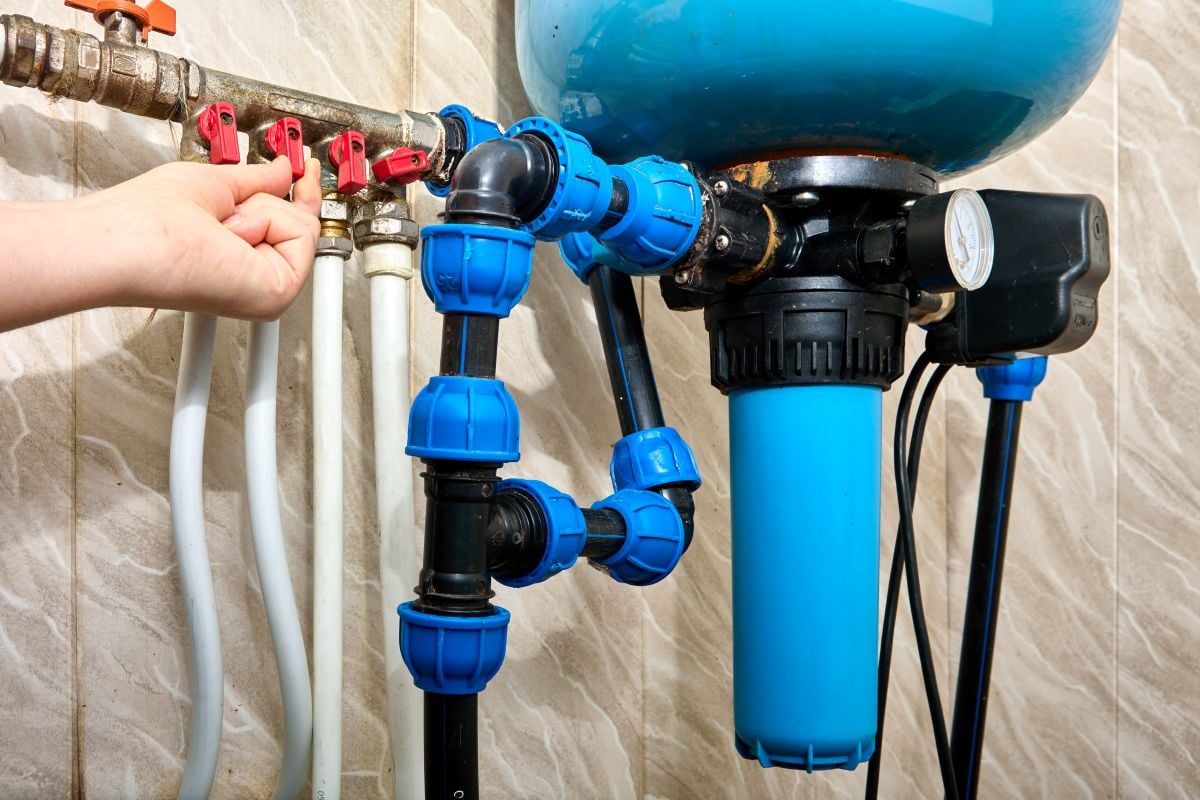
Specialized gauges are connected to the device’s test ports to measure pressure differentials.
- Each valve zone is tested individually.
- Pressure readings indicate whether valves are sealing correctly.
- Results are compared to local compliance standards.
3. Functional Evaluation
The technician opens and closes valves in a controlled sequence.
- This confirms proper response under simulated conditions.
- Any irregular readings indicate potential failure.
4. Documentation and Reporting
Test results are recorded and submitted to the appropriate authority.
- Homeowners receive documentation for their records.
- Municipal databases are updated as required.
- Passing results confirm compliance for the year.
5. Repairs and Retesting If Needed
If a device fails, repairs must be completed before approval.
- Certified technicians can often perform repairs on site.
- Retesting ensures the issue is fully resolved.
- Compliance is restored once the device passes.
Common Backflow Prevention Devices Found in Homes

Different systems require different types of protection. Understanding what you have helps explain why testing is required.
Reduced Pressure Zone Assemblies
Often used for higher-risk applications.
- Includes dual check valves and a relief valve.
- Common for irrigation and fire protection systems.
- Requires regular testing and maintenance.
Double Check Valve Assemblies
Frequently installed in residential sprinkler systems.
- Uses two internal check valves.
- Less complex but still testable.
- Common in Brighton, MI and surrounding areas.
Pressure Vacuum Breakers
Typically found on irrigation lines.
- Prevents back siphonage only.
- Must be installed above downstream piping.
- Vulnerable to freeze damage if unprotected.
Atmospheric Vacuum Breakers
Used for basic protection at hose connections.
- Not testable and limited in application.
- Requires proper installation to be effective.
- Often supplemented by additional protection.
Consequences of Skipping Backflow Testing
Skipping required testing can lead to serious consequences beyond fines.
- Water Contamination: Unsafe water may enter your home unnoticed.
- Municipal Penalties: Noncompliance can result in enforcement actions.
- Service Interruptions: Water service may be suspended until testing is complete.
- Increased Repair Costs: Undetected failures can damage plumbing systems.
- Legal Exposure: Liability increases if contamination spreads.
If a severe contamination event occurs due to a completely failed valve, treating the situation as an emergency plumbing crisis is crucial to immediately secure your home’s main water lines.
Choosing a Backflow Testing Provider in Brighton, MI and Surrounding Areas

Selecting a qualified provider ensures accurate testing and smooth compliance.
Certification and Licensing
Technicians must be certified according to Michigan standards.
- Certification confirms proper training and testing knowledge.
- Licensed providers follow approved testing protocols.
Familiarity With Local Requirements
Local experience matters when submitting results.
- Each municipality may have unique forms or deadlines.
- Providers familiar with Brighton, MI and surrounding areas streamline the process.
Partnering with licensed local professionals ensures that all the confusing municipal paperwork is filled out and filed correctly on your behalf before any strict city deadlines pass.
Transparent Pricing
Clear pricing helps homeowners plan without surprises.
- Testing fees should be stated upfront.
- Ask about repair and retesting costs if needed.
Full-Service Capabilities
Working with a company that can test and repair saves time.
- Reduces coordination between multiple contractors.
- Ensures faster compliance if issues are found.
Backflow Testing and Long-Term Water Safety
Backflow testing is a proactive step that protects your household, your neighbors, and the broader community. While it may feel like a small task, its impact on water safety is significant. Staying current with testing helps avoid contamination risks and ensures compliance with local regulations.
If your home in Brighton, MI and surrounding areas requires backflow testing, Rolls Mechanical provides certified testing, clear documentation, and dependable service. To schedule testing or ask questions about your system, contact us today and let Rolls Mechanical help keep your water supply protected.