A leaking backflow preventer is not something to ignore or patch temporarily. This device stands between your home or facility’s water supply and potential contamination from outside sources, and when it develops a leak, that protection is either compromised or about to fail entirely. Understanding what a backflow preventer does and why it leaks helps you respond correctly rather than guessing. The same plumbing expertise that goes into keeping your water supply protected from contamination and running code-compliant applies directly to diagnosing and resolving a leaking device before the situation escalates.
In this guide, you will learn:
- What a backflow preventer does and why leaks are a serious concern
- The 6 most common causes of a leaking backflow preventer and how to address each one
- How to tell whether a leak means repair or full replacement
- What annual testing and compliance requirements apply to your property
- When to call a licensed plumber versus attempting a fix yourself
What a Backflow Preventer Actually Does and Why a Leak Matters

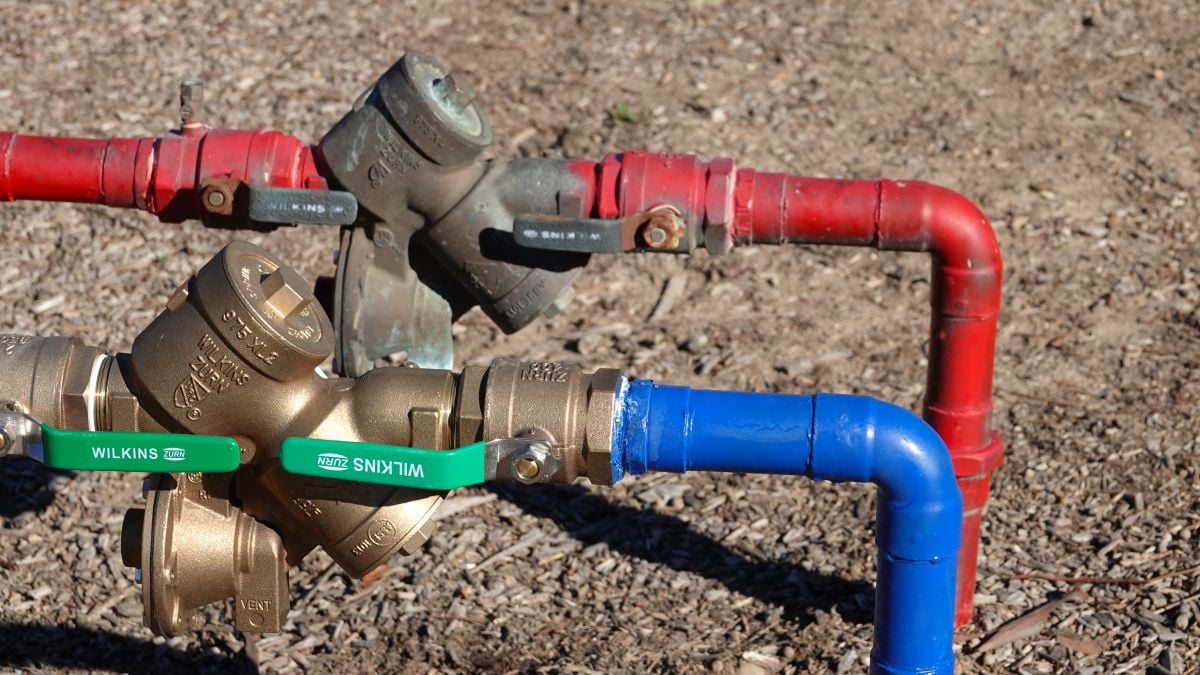
Before diagnosing a leak, it helps to understand what this device is protecting. A backflow preventer is a mechanical assembly installed in your plumbing system to ensure that water only flows in one direction. Without it, a drop in water pressure, a water main break, or a sudden demand surge could cause contaminated water from irrigation systems, fire suppression lines, or industrial processes to flow backward into the clean water supply.
When a backflow preventer develops a leak, the immediate problem is water loss and potential property damage. But the larger concern is what a leak signals about the device’s internal condition and whether it is still providing the protection it was installed to provide. For commercial and residential properties in Flint, MI and surrounding areas where backflow prevention is both a code requirement and a genuine public health safeguard, a leaking device warrants prompt attention rather than a wait-and-see approach.
- Contamination Risk: A backflow preventer that is leaking from its relief valve or body may no longer be capable of preventing reverse flow, which puts the potable water supply at risk of contamination from fertilizers, chemicals, or waste.
- Code Compliance: Most municipalities require functioning backflow prevention devices on commercial properties, irrigation systems, and specific residential applications. A leaking or non-functional device can trigger failed inspections and fines.
- Water Damage: Depending on the location of the device, a persistent leak can cause damage to foundations, walls, mechanical rooms, and landscaping over time if the source is not identified and resolved.
- System Pressure Signals: A backflow preventer that drains continuously from its relief valve often indicates a pressure problem elsewhere in the plumbing system that needs separate diagnosis and correction.
- Warranty and Liability: For commercial properties, a failed backflow prevention device can create liability exposure in the event of a contamination event, particularly if the device had visible signs of failure that were not addressed.
6 Common Causes of a Backflow Preventer Leak
Not all leaks from a backflow preventer mean the same thing, and where the leak originates is often the most important clue to understanding what caused it. Work through these causes in order and match the location and behavior of your leak to the most likely explanation before deciding on a course of action.
1. Failed or Worn Internal Check Valves
Most backflow preventers contain two internal check valves that open to allow forward flow and seal shut to prevent reverse flow. Over time, the rubber seats and seals inside these check valves degrade from normal use, mineral deposits, debris, and pressure cycling. When a check valve no longer seals completely, water leaks through even when the system is at rest.
This type of failure typically presents as a continuous drip or trickle from the relief valve opening of the device, and it is one of the most common reasons backflow preventers are serviced or replaced. In many cases, the internal check valve components can be replaced without replacing the entire assembly, which is a more cost-effective repair when the device body is still in good condition.
- A worn check valve may allow the relief valve to discharge intermittently rather than continuously
- Debris in the water supply that passes through the device accelerates check valve wear significantly
- Annual testing identifies check valve failures before they progress to the point of visible leaking
2. Debris or Sediment Caught in the Check Valve
A small piece of debris, sediment, or mineral buildup lodged in a check valve seat prevents the valve from sealing fully, which causes a continuous leak from the relief valve even if the rubber components themselves are in good condition. This is a particularly common cause of backflow preventer leaks in Flint, MI and surrounding areas where older water mains occasionally pass sediment during pressure fluctuations or system maintenance events.
The fix in this situation is to disassemble the check valve, clear the debris from the seat, inspect the seal for damage, and reassemble. If the seal was damaged by the debris before the issue was discovered, the seal will need to be replaced as part of the same repair.
- Install a strainer upstream of the backflow preventer to catch sediment before it reaches the device
- Flush the upstream line briefly before reassembling a cleaned check valve to remove any remaining debris
- If sediment intrusion is recurring, have a plumber evaluate the source of the contamination in the supply line
3. Relief Valve Failure
The relief valve, also called the middle relief port on a reduced pressure zone (RPZ) assembly, opens to discharge water when the pressure differential across the device falls outside of its designed operating range. This is a safety function, not a flaw, and a small amount of occasional discharge from this port during pressure surges is normal.
What is not normal is a relief valve that drains continuously at a high volume, that is stuck open, or that is dripping when system pressures are stable. A stuck or failed relief valve may need to be cleaned, rebuilt, or replaced. Continuous high-volume discharge from the relief valve often indicates a failed check valve rather than a problem with the relief valve itself, so it is important to evaluate both components before ordering parts.
4. Freeze Damage
Backflow preventers installed in outdoor locations, unheated mechanical rooms, or exterior wall penetrations are vulnerable to freeze damage during Michigan winters. When the water inside the device freezes, it expands and can crack the device body, fracture the check valve housings, or damage the relief valve seat.
Freeze damage is typically identifiable by visible cracks in the device body, an irregular leak pattern that does not correspond to any single component failure, or complete device failure discovered at the start of spring. A device that has frozen and cracked is not repairable and must be replaced entirely.
- Insulate outdoor backflow preventers with an approved insulation cover designed for this purpose
- Shut off the water supply to the device and drain it before the first hard freeze if the location is not heated
- Do not use heat tape directly on a backflow preventer assembly without confirming the product is rated for this application
5. Age and General Wear

Backflow prevention assemblies have a finite service life. Most manufacturers and plumbing authorities recommend testing annually and replacing devices that fail testing or show signs of significant internal wear. A device that has been in service for 10 or more years without maintenance is likely operating with degraded seals, worn check valve components, and reduced reliability even if it has not yet produced a visible leak.
For commercial properties in Flint, MI and surrounding areas that are required to maintain documented annual testing records, devices that repeatedly fail testing or require repair more than once in a two-year period are generally more cost-effective to replace than to continue repairing. The labor cost of repeated repairs adds up quickly against the cost of a new assembly.
- Reduced pressure zone assemblies and pressure vacuum breakers have different service life expectations based on application and water quality
- Keep records of all service and test results to identify patterns in device performance over time
- Ask your plumber during annual testing whether the current device is approaching the end of its reliable service life
6. Improper Installation or Incorrect Device Selection
A backflow preventer that was installed incorrectly or selected for the wrong application will leak, fail testing, and may not provide the level of protection required by code. Common installation errors include installing the device in a location subject to flooding, mounting it at an incorrect orientation, using the wrong assembly type for the hazard level, or failing to provide adequate drainage for relief valve discharge.
Device selection errors are less common but do occur when a property changes use, when irrigation systems are expanded beyond the original scope, or when fire suppression systems are added to a building that previously had only a simple pressure vacuum breaker. A licensed plumber familiar with local code requirements can evaluate whether the current device is correctly specified for its application.
Repair vs. Replacement: How to Decide
Once you have identified the cause of the leak, the next decision is whether to repair the existing device or replace it entirely. The right answer depends on the device’s age, condition, repair history, and the cost relationship between the repair and a new assembly.
When Repair Makes Sense
Repair is usually the right choice when the device is relatively new, when the failure is limited to a single component like a check valve seal or relief valve seat, and when the device body shows no signs of cracking or corrosion. Internal repair kits are available for most major backflow preventer brands and models, and a skilled plumber can rebuild a check valve or replace a relief valve in a fraction of the time it takes to replace the full assembly.
- Device is less than five to seven years old with no prior repair history
- Leak is isolated to a single component with no body damage
- The device passes the non-leaking portions of its annual test
When Replacement Is the Better Choice
Replacement becomes the better investment when the device is older, when repairs have been performed multiple times, when the body shows signs of physical damage from freezing or corrosion, or when the device fails its annual performance test on multiple criteria simultaneously.
For commercial property owners in Flint, MI and surrounding areas required to maintain compliant backflow prevention, a new device also comes with a clean maintenance record and a fresh warranty, which simplifies the documentation required for municipal compliance inspections.
- Device is 10 or more years old regardless of current condition
- Visible cracks, corrosion, or freeze damage on the device body
- Multiple failed annual tests or two or more repairs within 24 months
Annual Testing, Inspections, and Compliance Requirements

Most municipalities with backflow prevention ordinances require annual testing of all assembly-type backflow preventers by a licensed and certified tester. This is not optional for commercial properties, and many residential applications with irrigation systems or auxiliary water connections are subject to the same requirement.
What Annual Testing Involves
A certified tester connects differential pressure gauges to the test cocks on the device and measures the pressure drop across each check valve and the relief valve opening pressure. The test takes 15 to 30 minutes under normal conditions and produces a documented result that must be filed with the local water authority.
Devices that fail testing must be repaired or replaced and retested before the report can be filed as passing. A plumber who performs the repair must be separate from the tester in some jurisdictions, so confirming local requirements before scheduling service avoids delays.
Consequences of Skipped Testing
- Water service disconnection for properties that repeatedly fail to provide current test records
- Fines from the local water authority for non-compliant backflow prevention
- Potential liability for contamination events traced to an unmonitored or non-functional device
- Insurance complications for commercial properties if a contamination claim arises and testing records are missing
For property owners and facility managers throughout Flint, MI and surrounding areas, staying current on annual testing is both a regulatory requirement and the most reliable way to catch developing issues in a backflow preventer before they result in a leak, a failure, or a public health concern.
Get Your Backflow Preventer Diagnosed and Fixed the Right Way
A leaking backflow preventer is telling you something specific about its condition, and knowing which of the six causes above matches your situation is the difference between a targeted repair and an expensive guess. Whether the fix is a simple seal replacement, a debris clearing, a relief valve rebuild, or a full device replacement, getting it resolved correctly and documented properly protects your water supply, your property, and your compliance standing.
Rolls Mechanical serves homeowners and commercial property managers throughout Flint, MI and surrounding areas with licensed, documented backflow preventer service that covers everything from repair and replacement to annual testing and compliance filing. Contact us today to schedule a backflow preventer inspection and get the right fix in place before a small leak becomes a larger and more costly problem.