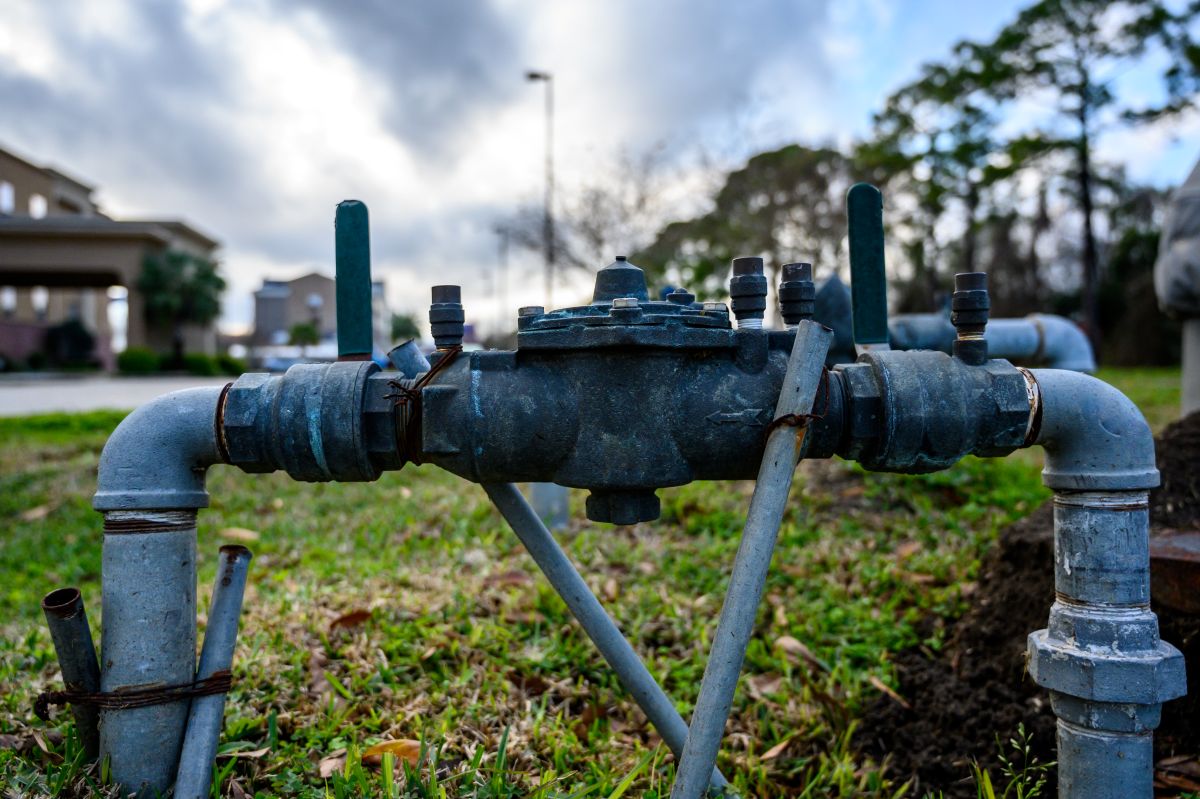
A leaking backflow preventer is a problem that deserves immediate attention, not because the dripping water is the primary concern, but because of what that leak signals about the device that is supposed to keep contaminated water out of your potable supply. A properly functioning backflow preventer is a critical line of defense between your drinking water and whatever is in the downstream lines, whether that is fertilizer from an irrigation system, chemicals from an industrial process, or biological contaminants from a cross-connection. The same diligence that goes into ensuring mechanical systems protect water quality and flow integrity applies directly to diagnosing and fixing a leaking backflow device before the problem worsens.
In this guide, you will learn:
- The 7 most common causes of a leaking backflow preventer and how to address each one
- How to identify which type of device you have and why that affects the diagnosis
- A seasonal maintenance approach that prevents most leaks before they develop
- When a repair is sufficient and when full device replacement is the right call
- What licensed plumbers look for during a professional backflow inspection
What Your Backflow Preventer Is Telling You When It Leaks

A backflow preventer is designed to allow water to flow in one direction only. It uses a combination of check valves, springs, and in some assemblies a relief valve, to maintain that one-way flow regardless of changes in pressure on either side of the device. When the device is functioning correctly, it operates silently and invisibly. When it leaks, it is communicating that something inside the assembly has changed, worn, or failed.
The important distinction for property owners and facility managers in Auburn Hills, MI and surrounding areas is that not all backflow preventer leaks are the same. A small drip from the relief port during a pressure event is a normal and intentional function. A continuous stream of water from that same port is a symptom of internal failure. Understanding which type of leak you are observing, and where exactly it is originating, is the starting point for any accurate diagnosis.
- Water Supply Protection: A backflow preventer that is leaking from its body or from a compromised check valve may no longer be providing the cross-connection protection it was installed to deliver, creating a potential path for contaminants to enter the potable water supply.
- Regulatory Compliance: Many municipalities require annual testing of assembly-type backflow preventers on commercial and irrigation connections. A visibly leaking device will fail that test and must be repaired or replaced before the property can be brought back into compliance.
- Property Damage Prevention: Depending on the installation location, a sustained backflow preventer leak can cause water damage to mechanical rooms, irrigation control systems, and structural elements that are expensive to remediate.
- Early Warning Value: A leak is often the first visible sign of an internal failure that has been developing for some time. Addressing it promptly typically means a less expensive repair than waiting until the device fails completely or causes a contamination event.
6 Causes of a Leaking Backflow Preventer and How to Fix Each One
The cause of a backflow preventer leak is almost always determinable from the location of the leak and the operating conditions when it occurs. Work through these seven causes methodically, starting with the most straightforward, before calling for professional service.
1. Worn or Fouled Check Valve Seats
The check valves inside a backflow preventer assembly rely on rubber seats that press against a machined surface to create a watertight seal when flow stops. Over time, those rubber seats harden, crack, and deform from exposure to chlorinated water, sediment abrasion, and the mechanical stress of repeated opening and closing cycles. A check valve seat that no longer seals completely causes water to pass through continuously, which the device then routes out through the relief port as a protection against reverse flow.
This type of failure is one of the most common causes of a continuously dripping relief port, and it is also one of the most repairable. Internal rebuild kits containing replacement seats, discs, and springs are available for most commercial backflow preventer models and can restore the device to full function without requiring full replacement.
- A leak that appears at the relief port during normal operating conditions with no unusual pressure events is almost always a check valve seat problem
- Inspect the exposed rubber surfaces for cracking, deformation, or mineral buildup that prevents the seat from seating flush against the body
- Replace both check valve assemblies during a rebuild even if only one appears visibly worn, as the second is typically at a similar point in its service life
2. Sediment or Debris Holding a Check Valve Open
Even a small particle of pipe scale, sand, or mineral deposit lodged between the check valve disc and its seat can prevent the valve from closing completely. This creates a continuous leak path that mimics a worn seat failure but is actually a cleanliness problem rather than a wear problem. This cause is particularly common following municipal water main work, during seasonal irrigation system startup after a winter shutdown, or in older buildings with corroding supply pipes.
The fix is disassembly, cleaning of all seating surfaces and the valve chamber, and careful reassembly. If the disc or seat was damaged by the debris particle before the issue was caught, those components need to be replaced as part of the cleaning service.
- Close the upstream shutoff valve fully before disassembling any check valve, and confirm the valve is fully shut by opening a downstream outlet briefly
- Use a soft cloth and mild cleaning solution on seating surfaces, never abrasives that could scratch the machined contact area
- Install a strainer upstream of the backflow preventer on irrigation connections to catch debris before it reaches the assembly
3. Relief Valve Seat Failure or Obstruction

The relief valve in a reduced pressure zone (RPZ) backflow preventer is designed to open and discharge water when the pressure differential between the two check valves falls below the device’s minimum design differential, typically around two PSI. This discharge is intentional and protective. But a relief valve that discharges continuously under normal operating conditions, or one that fails to close after a pressure event has passed, has either a worn seat or an obstruction holding it in the partially open position.
Relief valve repairs involve disassembling the relief port assembly, inspecting and cleaning the seat, and replacing the seat disc if it shows wear. A relief valve that continues to discharge after cleaning and seat replacement likely requires full relief valve module replacement, which on most commercial assemblies is a modular component that can be swapped without replacing the entire device body.
- Confirm the upstream pressure is within the device’s rated operating range before assuming the relief valve is faulty, as excessively high supply pressure can cause relief valve discharge that appears to be a device failure
- Document the discharge rate and pattern before disassembly to share with a technician if the initial repair does not resolve the issue
- For property owners in Auburn Hills, MI and surrounding areas, a relief valve that discharges onto a finished floor or near electrical equipment should be evaluated and repaired with urgency regardless of the underlying cause
4. Freeze Damage to the Device Body or Internal Components
Michigan winters create predictable freeze risk for any backflow preventer installed in an outdoor location, an unheated mechanical space, or a location exposed to cold air infiltration. When water inside the device freezes, it expands with enough force to crack the brass or bronze body, shatter internal components, or fracture the check valve housings in ways that are not always immediately visible.
Freeze damage typically appears at the start of the irrigation season when the system is first pressurized, and it often presents as water spraying from the body of the device rather than dripping from the relief port. A device with any visible cracks in the body cannot be repaired and must be replaced entirely. Repaired or rebuilt components installed in a cracked body will continue to leak from the structural breach regardless of the quality of the internal repair.
- Insulate outdoor backflow preventers with purpose-designed insulation covers before the first hard freeze each season
- Shut off the upstream supply and drain the device completely before temperatures drop below freezing if the installation location is not protected
- Inspect the device body carefully at spring startup each year for hairline cracks that may not be immediately obvious under low pressure
5. Deteriorated Body Gaskets and Thread Seals
The connections between the main body sections of a backflow preventer assembly, and between the assembly and its unions or test cocks, are sealed with gaskets, O-rings, and thread sealants that degrade over time from exposure to water chemistry, chlorine, and mechanical stress. A leak at a body joint or at a test cock connection is almost always a gasket or thread seal problem rather than an internal check valve issue.
These leaks are typically minor but will worsen over time as the degraded seal material continues to break down. Replacing the gasket or O-ring at the leaking joint, or applying fresh thread sealant at a leaking threaded connection, resolves the problem. On assemblies that are more than eight to ten years old, it is often worth replacing all body gaskets during any repair service to avoid recurring minor leaks at different joints.
- Identify the exact source of the leak by drying the device completely and watching for the first point of moisture reappearance under pressure
- Use only gasket and O-ring materials rated for potable water applications
- Thread sealant at test cock connections should be applied sparingly and in the correct direction to avoid contaminating the interior of the test cock
6. Backpressure Events and Water Hammer Damage
Severe pressure surges in the supply or downstream system can mechanically damage backflow preventer components in ways that do not always produce immediate visible symptoms. Water hammer events, caused by rapid valve closures in the downstream system, create pressure spikes that can unseat check valve springs, distort relief valve seats, and damage the diaphragm in diaphragm-type check valves over time.
A backflow preventer that develops a leak shortly after major plumbing work, pump installation, or supply pressure changes on the main is worth inspecting specifically for water hammer related damage. Installing a water hammer arrestor upstream of the device eliminates the pressure spikes that cause this type of cumulative mechanical damage.
- Review the operating pressure upstream of the device and confirm it falls within the rated working pressure of the assembly
- Install a pressure-reducing valve if the supply pressure exceeds 80 PSI, as sustained high pressure accelerates wear on all backflow preventer components
- Water hammer arrestors sized appropriately for the downstream fixture count are inexpensive insurance against cumulative damage to the backflow assembly and all connected fixtures
Identifying Your Device Type and What It Means for Diagnosis
Backflow preventers are not all the same, and the device type determines both the failure modes you should expect and the repair options available to you. Knowing which type you have is the foundation for an accurate diagnosis.
Reduced Pressure Zone Assemblies (RPZ)
RPZ assemblies are the most common type on commercial and irrigation connections in regulated jurisdictions. They contain two independently operating check valves and a relief valve between them that discharges water when the differential pressure between the check valves drops below the design minimum. Leaks from the relief port are the most common symptom of RPZ failure, and they can be caused by either check valve or the relief valve itself.
Pressure Vacuum Breakers (PVB)
Pressure vacuum breakers are widely used on residential and light commercial irrigation systems. They contain a single check valve and an air inlet valve that opens when pressure drops below atmospheric, allowing air into the line to prevent backflow by siphoning. Leaks from PVBs most commonly originate at the bonnet cap or from the air inlet valve, and they often signal that the device has been subjected to downstream pressure or backpressure that exceeded its design tolerance.
Double Check Valve Assemblies (DCVA)
Double check assemblies contain two independently operating check valves in series and are used for low-hazard cross-connection protection. They do not have a relief valve, so leaks appear only at the body, test cocks, or at the unions on either end of the assembly. A leaking DCVA is almost always a check valve seat or body gasket problem.
A Seasonal Maintenance Approach That Prevents Most Leaks

The majority of backflow preventer leaks are preventable with a consistent seasonal maintenance routine that addresses the most common failure modes before they reach the point of visible water loss.
Spring Startup Checklist
When pressurizing an irrigation system or any seasonal backflow preventer installation for the first time each spring, inspect the device body for freeze damage before applying full pressure. Open the upstream shutoff slowly to allow pressure to build gradually rather than surging, which reduces stress on internal components. Test the device manually by initiating a brief backflow condition using the test cocks, and confirm that the relief valve activates and reseats correctly.
Fall Winterization Checklist
Before the first expected frost, shut off the upstream supply, open a downstream outlet to relieve line pressure, and use the test cocks to drain water from inside the assembly. For outdoor installations, install an insulation cover rated for the expected low temperatures in your area. Inspect all unions and connections for any weeping that developed during the season, and address them before the shutdown so they do not worsen during the freeze cycle.
For property owners and facility managers throughout Auburn Hills, MI and surrounding areas, adding the backflow preventer inspection to the seasonal irrigation startup and shutdown checklist is the lowest-cost, highest-return maintenance action available for protecting both the device and the water supply it defends.
Get Your Backflow Preventer Repaired or Replaced With Confidence
A leaking backflow preventer is a specific problem with a specific cause, and identifying that cause accurately determines whether the solution is a thirty-minute rebuild, a component replacement, or a full device swap. The seven causes above cover the full range of what produces backflow preventer leaks, and knowing which one applies to your situation puts you in a far stronger position when evaluating repair options and contractor recommendations.
When the diagnosis points toward something beyond a DIY cleaning or a gasket swap, or when the device serves a regulated connection that requires licensed repair and documented testing, professional service is the right call. Rolls Mechanical serves residential and commercial property owners throughout Auburn Hills, MI and surrounding areas with licensed backflow preventer inspection, repair, replacement, and annual certification testing. Contact us today to schedule a backflow preventer evaluation and make sure your device is protecting your water supply the way it is supposed to.