
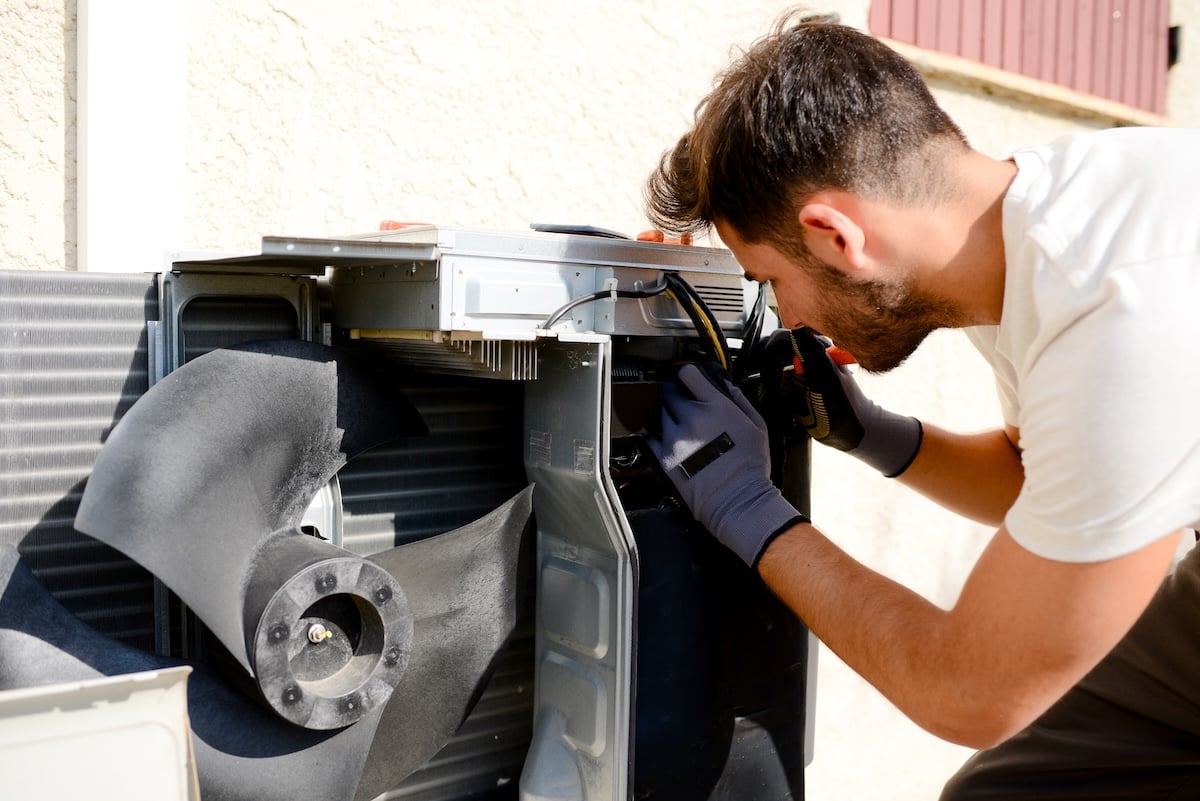
When summer hits Michigan, nothing feels better than walking into a cool, comfortable home. But if your system has been working overtime without attention, it may not run as efficiently as it should. That is where an AC tune up comes in. Regular tune ups help keep your air conditioner in top shape, prevent costly repairs, and extend its lifespan. For homeowners who want dependable comfort and energy efficiency, scheduling a seasonal residential HVAC service is one of the smartest investments you can make.
In this guide, you will learn:
- Why an AC tune up is essential
- The step-by-step process HVAC professionals follow during a tune up
- Seasonal and homeowner tips to keep systems efficient
- Cost considerations and signs it is time to schedule service
- How to get the most from your cooling system year-round
Why AC Tune Ups Are Essential

A tune up may seem like a routine task, but the benefits are anything but ordinary. Here’s why every Michigan homeowner should make it part of their yearly schedule.
- Better energy efficiency: Regular service helps your system run smoothly, lowering monthly utility bills.
- Improved comfort: A tuned-up AC cools evenly and keeps humidity under control for a healthier indoor environment.
- Extended system life: Preventative maintenance reduces wear and tear on parts, helping your unit last years longer.
- Fewer breakdowns: Catching issues early avoids inconvenient mid-summer failures and expensive emergency calls.
- Peace of mind: With expert eyes on your system, you know it is safe, reliable, and ready for the hottest days.
7 Steps in a Professional AC Tune Up
A professional tune up involves more than just a quick glance. Here are the most important steps your technician will take to ensure your system is in peak condition.
1. Inspect and Replace Air Filters
Filters are the first line of defense against dust and debris. A clogged filter makes your AC work harder and reduces cooling power.
- Quick fix: Replace filters every 1–3 months.
- Pro tip: Upgrade to high efficiency filters for improved air quality.
2. Check Thermostat Operation
The thermostat controls the comfort of your entire home. A technician ensures it is calibrated and functioning properly.
- Benefits: Prevents false readings and keeps temperatures consistent.
- Upgrade option: Smart thermostats save energy and provide better control.
3. Clean Condenser and Evaporator Coils

Dust and dirt build up on coils, blocking heat transfer. Cleaning them boosts efficiency and prevents overheating.
- Outdoor coils: Rinsed and cleared of debris.
- Indoor coils: Inspected and cleaned carefully to prevent damage.
4. Inspect Electrical Components
Loose or damaged wiring is a safety hazard and a common cause of system failure. During a tune up, electrical connections are checked and tightened.
- Safety check: Prevents shorts or potential fire hazards.
- Performance check: Ensures all parts receive proper power.
While a professional HVAC technician ensures your system’s internal wiring is optimized during a tune-up, maintaining the rest of your home’s electrical health is just as important. For those looking to handle minor household repairs or safety upgrades themselves, explore our useful hints for DIY electrical work to keep your projects safe, efficient, and precise.
5. Lubricate Moving Parts
Motors, fans, and belts need lubrication to avoid friction. Without it, parts wear out quickly and may seize up.
- Maintenance step: Reduces noise and extends equipment life.
6. Test Refrigerant Levels
Low refrigerant leads to weak cooling and frozen coils. Technicians check levels and look for leaks.
- Warning signs: Hissing sounds, warm air, or ice buildup.
- Professional care: Only certified HVAC pros can safely handle refrigerant.
It is important to remember that a simple recharge is only a temporary fix if the underlying cause is not addressed. Because most issues stem from corrosion, wear, or poor installation, understanding the specific signs and risks of a refrigerant leak is essential.
7. Run a Full System Test
Finally, the system is tested from start to finish to ensure everything works together. Airflow, temperature output, and overall operation are measured.
- Goal: Confirm peak efficiency.
- Benefit: Spot hidden issues before they cause breakdowns.
Seasonal and Homeowner Tips for Better AC Care
In addition to professional tune ups, homeowners can take steps to maintain their system between visits.
Homeowner Checklist
- Replace filters: Every 1–3 months depending on household conditions.
- Keep vents open: Closed vents strain your system and reduce airflow.
- Clear outdoor unit: Keep at least two feet of space around the condenser.
- Listen for noises: Rattling, banging, or hissing sounds signal problems.
- Monitor cooling performance: If it takes longer than usual to cool, schedule service.
Seasonal Considerations
- Spring: Schedule your professional tune up before the cooling season.
- Summer: Monitor humidity levels and watch for signs of strain.
- Fall: Inspect ducts and consider sealing during the fall to anticipate winter.
- Winter: Cover your outdoor unit if recommended, but ensure airflow remains unobstructed.
Despite routine maintenance and diligent care, every homeowner eventually faces the frustration of a unit that fails to cool effectively. When your AC system is running but delivering warm air, it signals a deeper problem—one that requires immediate attention to protect the unit from damage. When you need to quickly diagnose the cause of a compromised system, consult our comprehensive guide to troubleshooting why your AC is not blowing cold air.
Cost Factors and Signs It’s Time to Schedule

Understanding the cost and timing of tune ups helps you make better decisions about your system.
What Impacts the Cost?
- System size: Larger units may take more time to inspect and clean.
- Age of unit: Older systems often need more attention.
- Extent of issues: Simple maintenance is quick, but hidden problems may increase cost.
Signs You Shouldn’t Wait
- Rising energy bills: Indicates your system is losing efficiency.
- Uneven cooling: Some rooms too hot, others too cold.
- Strange odors or noises: Signals problems with coils, wiring, or motors.
- Frequent cycling: AC turns on and off more than usual.
- High humidity indoors: System is not removing moisture properly.
Keep Your Home Comfortable with Professional AC Tune Ups
An AC tune up is not just a luxury—it is essential maintenance that improves comfort, lowers energy bills, and protects your investment. From inspecting filters and coils to checking refrigerant and running full system tests, tune ups keep your air conditioner ready for Michigan’s hottest days.
If you notice poor cooling, rising utility bills, or just want peace of mind, it may be time to schedule service. Reach out today to book your appointment. With expert technicians available 24/7, you can count on reliable care and lasting comfort for your home.