
When your home gets too hot in the summer, your air conditioner jumps into action—but few homeowners understand exactly how it works behind the scenes. One of the most important components is the ac refrigerant, a chemical that absorbs and releases heat as it moves through your system. If refrigerant levels drop, your AC can’t keep up. If it’s leaking or outdated, it could cost you in performance, efficiency, or safety. If you’re unsure how this part of your system functions or whether you need a recharge or replacement in Rochester, MI and surrounding areas, you should learn more about full cooling system care.
What you’ll learn in this guide:
- What AC refrigerant is and what it does
- How the refrigerant cycle cools your home
- Signs your system might have refrigerant issues
- Common types of refrigerant and what they mean for you
- When to repair, recharge, or replace your system
Why AC Refrigerant Matters in Every Home

Without refrigerant, your air conditioner is just a fan. This chemical compound is what makes cooling possible. Understanding its role—and when it might be a problem—can help you protect your comfort, energy bill, and overall system health.
- Enables Cooling: Refrigerant absorbs indoor heat and releases it outside to lower the air temperature.
- Regulates System Efficiency: Low or leaking refrigerant forces your system to work harder, driving up energy use.
- Prevents Equipment Damage: Running an AC unit with too little refrigerant can damage the compressor and other critical parts.
- Supports Healthy Air Quality: Refrigerant leaks can introduce chemicals into your home if not caught early.
- Influences Long-Term Costs: Knowing your refrigerant type affects service cost, system lifespan, and future upgrade plans.
5 Key Steps in the AC Refrigerant Cooling Cycle
Cooling your home isn’t about generating cold air—it’s about removing heat. Your system does this through a pressurized refrigerant loop that constantly absorbs and transfers heat.
1. Refrigerant Begins in the Evaporator Coil
The process starts inside your home in the evaporator coil.
- Refrigerant enters as a low-pressure, cold liquid
- Warm indoor air passes over the coil
- Heat is absorbed, and the refrigerant evaporates into a gas
This is where your home begins to cool down.
2. Warm Refrigerant Gas Travels to the Compressor
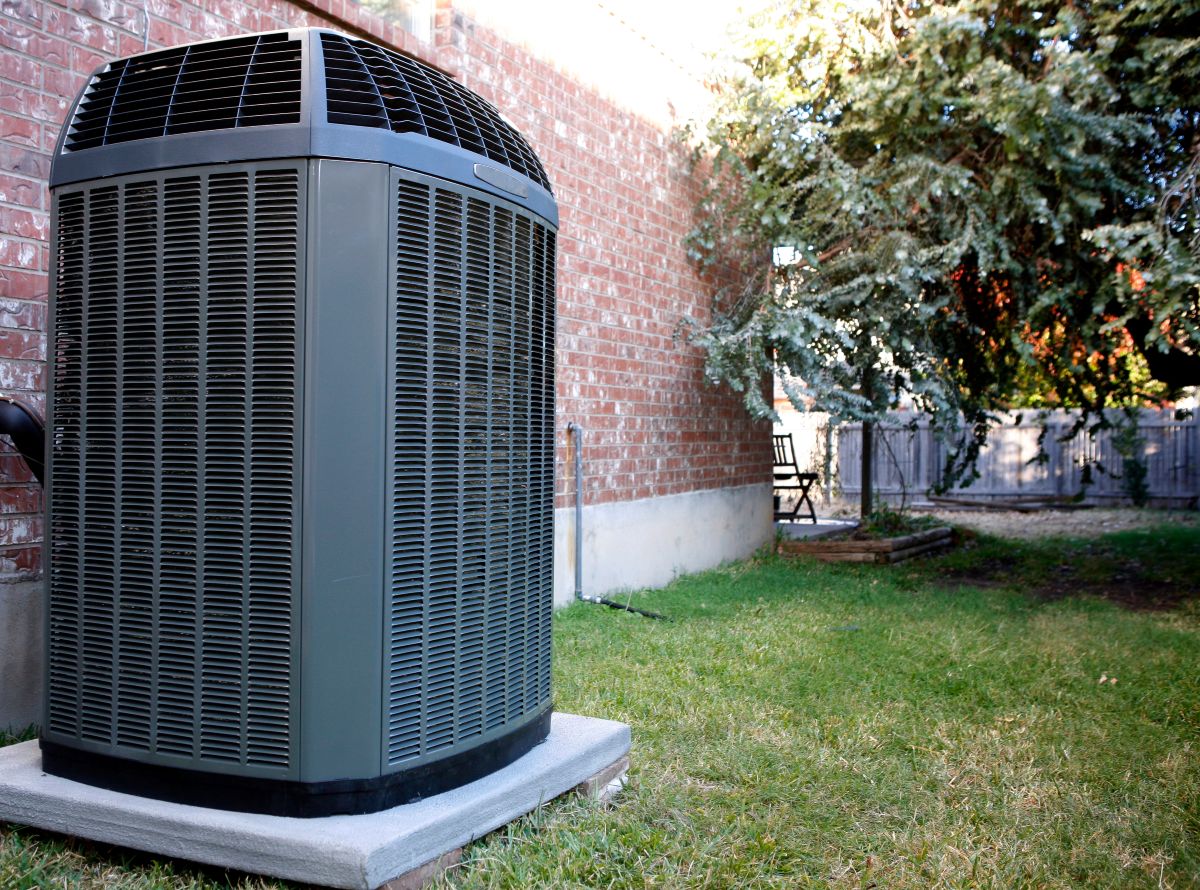
Now that the refrigerant is a warm vapor, it travels outside to the compressor unit.
- The compressor squeezes the gas into a high-pressure state
- Compressing the gas raises its temperature
- The refrigerant is now ready to release heat to the outside air
3. Heat Is Released in the Condenser Coil
The high-pressure gas flows through the outdoor condenser coil.
- A fan blows outdoor air over the coil
- The refrigerant releases its heat and begins to condense
- It turns back into a high-pressure liquid
This is why the outdoor unit feels hot when the AC is running. Because this heat transfer process is so critical to the cycle, ensuring your AC condenser is completely free of dirt, leaves, and outdoor debris will significantly boost your system’s overall efficiency.
4. Refrigerant Flows Through the Expansion Valve
Before it re-enters your home, the refrigerant passes through an expansion device.
- This valve reduces pressure and temperature
- The refrigerant becomes a cold liquid again
- It’s now ready to start the cycle over
5. The Cycle Repeats Continuously
As long as your thermostat calls for cooling, the refrigerant keeps moving through the loop—absorbing heat indoors, releasing it outside, and repeating.
This closed-loop cycle is incredibly efficient when all components, including refrigerant levels, are in proper balance.
Types of AC Refrigerant: What’s in Your System?
Not all refrigerants are created equal. Some are being phased out, while others are more environmentally friendly and widely available. Knowing what type your system uses can help you plan for repairs or upgrades.
R-22 (Freon)
- Common in systems made before 2010
- Phased out due to ozone depletion concerns
- No longer manufactured or imported in the U.S. as of 2020
- Expensive and limited for repairs
If your system still uses R-22, consider replacing it rather than paying for costly refills. Consulting with experienced cooling specialists will help you accurately weigh the long-term energy savings of a brand new system against the skyrocketing price of this obsolete chemical.
R-410A (Puron)
- Most common in systems installed after 2010
- Higher efficiency and environmentally safer than R-22
- Widely available and still used today
- Operates at higher pressure than R-22
Systems using R-410A are considered the current standard and typically don’t require upgrades unless damaged.
R-32 and R-454B (Emerging Options)
- Newer refrigerants with even lower environmental impact
- Gaining popularity in high-efficiency systems
- May become standard in future AC models
As manufacturers shift toward greener solutions, these may become more common in the next few years.
Signs You May Have a Refrigerant Problem
Since refrigerant is sealed within a closed loop, it shouldn’t need refilling unless there’s a leak or other failure. These symptoms may indicate refrigerant trouble in your AC system.
Warm Air from Vents
If your AC runs but doesn’t produce cool air, the refrigerant may be too low to absorb heat effectively. When homeowners complain about the AC not blowing cold air, this lack of chemical heat transfer is almost always the very first thing an experienced technician will test.
Hissing or Bubbling Noises
Leaks often cause sound as refrigerant escapes under pressure—especially near connections or coil seams.
Frozen Evaporator Coils
Low refrigerant can lead to freezing in the indoor coil as humidity condenses and freezes on the surface.
Long Run Times
When the refrigerant can’t carry enough heat, your system may run constantly without ever reaching the set temperature.
Rising Energy Bills
Increased power usage is a red flag for systems that are straining due to refrigerant imbalance.
AC Short Cycling
Low refrigerant levels can confuse the system, causing it to turn on and off frequently.
If you notice any of these issues in Rochester, MI and surrounding areas, it’s best to shut the system off and schedule an inspection to prevent further damage.
How HVAC Pros Diagnose and Handle Refrigerant Issues

Refrigerant is not a DIY-friendly component. Here’s how professionals safely diagnose and fix related problems.
System Pressure Testing
- HVAC technicians use gauges to measure refrigerant pressure at various points in the cycle
- Pressures are compared to manufacturer standards for that system type
- Abnormal readings point to leaks, clogs, or compressor issues
Leak Detection
- UV dye or electronic detectors help pinpoint exact leak locations
- Leaks often occur in coils, valves, or line sets
- Once identified, the area is inspected and tested again after repair
Recharge or Replacement
- If the system is in good shape, refrigerant is recharged to proper levels
- If it’s an older unit using R-22, replacement may be more cost-effective
- Refrigerant is added by weight, ensuring system balance and performance
Final Testing
- After repairs or recharging, the technician will test airflow, temperatures, and pressure
- Ensures all components work together efficiently
- Verifies that the leak has been fully resolved
Maintenance Tips to Avoid Refrigerant Problems
Proper maintenance can keep your refrigerant loop sealed and effective for years.
- Schedule annual tune-ups to catch small leaks early
- Change filters regularly to reduce airflow stress
- Keep coils clean to maintain heat exchange performance
- Check for rust or corrosion around refrigerant lines
- Watch for warning signs like odd noises or weak cooling
Homeowners in Rochester, MI and surrounding areas often benefit from early spring inspections before peak cooling demand begins.
Comparing Recharge vs. Replacement: Which Makes Sense?
Not sure whether to repair a refrigerant issue or replace your system? Here’s a comparison.
| Factor | Recharge / Repair | Full System Replacement |
| System Age | Less than 10 years | Over 12–15 years |
| Refrigerant Type | R-410A or newer | R-22 (phased out) |
| Leak Severity | Minor, easily accessible | Major or multiple leaks |
| Cost of Repair | Under $1,000 | Repairs exceed 30% of new unit |
| Energy Efficiency Goals | Satisfied with current setup | Seeking lower energy bills |
| Future Refrigerant Costs | Predictable and stable | Expensive and rising |
In many cases, upgrading to a new system offers better long-term value and improved energy efficiency—especially if your current unit still uses R-22.
What Happens If You Ignore Refrigerant Issues?
Refrigerant problems aren’t just inconvenient—they can cause long-term damage.
- System Overload: Causes overheating and electrical issues
- Higher Energy Costs: Poor performance leads to rising bills
- Uneven Temperatures: Hot and cold spots around your home
- Shortened System Life: Small issues today can reduce total lifespan by years
- Compressor Failure: Operating with low refrigerant burns out this expensive component
When this critical motor seizes up completely due to overheating, it often leads to a highly expensive emergency HVAC replacement that could have been easily prevented with routine pressure checks. Taking care of refrigerant issues early helps prevent major repairs and keeps your system running efficiently.
Call Rolls Mechanical for Refrigerant Repair and AC Support

If your cooling system isn’t keeping up, you might not need a full replacement—your ac refrigerant may be the root cause. Whether it’s a leak, low pressure, or outdated chemical type, our team can help you understand your options and get your system back to peak performance.
Rolls Mechanical serves Rochester, MI and surrounding areas with trusted HVAC repairs, refrigerant recharges, and honest system evaluations. Whether you need a simple recharge or are ready to explore a high-efficiency upgrade, we’re here to help you stay cool and comfortable.
For prompt, professional service, contact us today and let Rolls Mechanical keep your cooling system running right.