
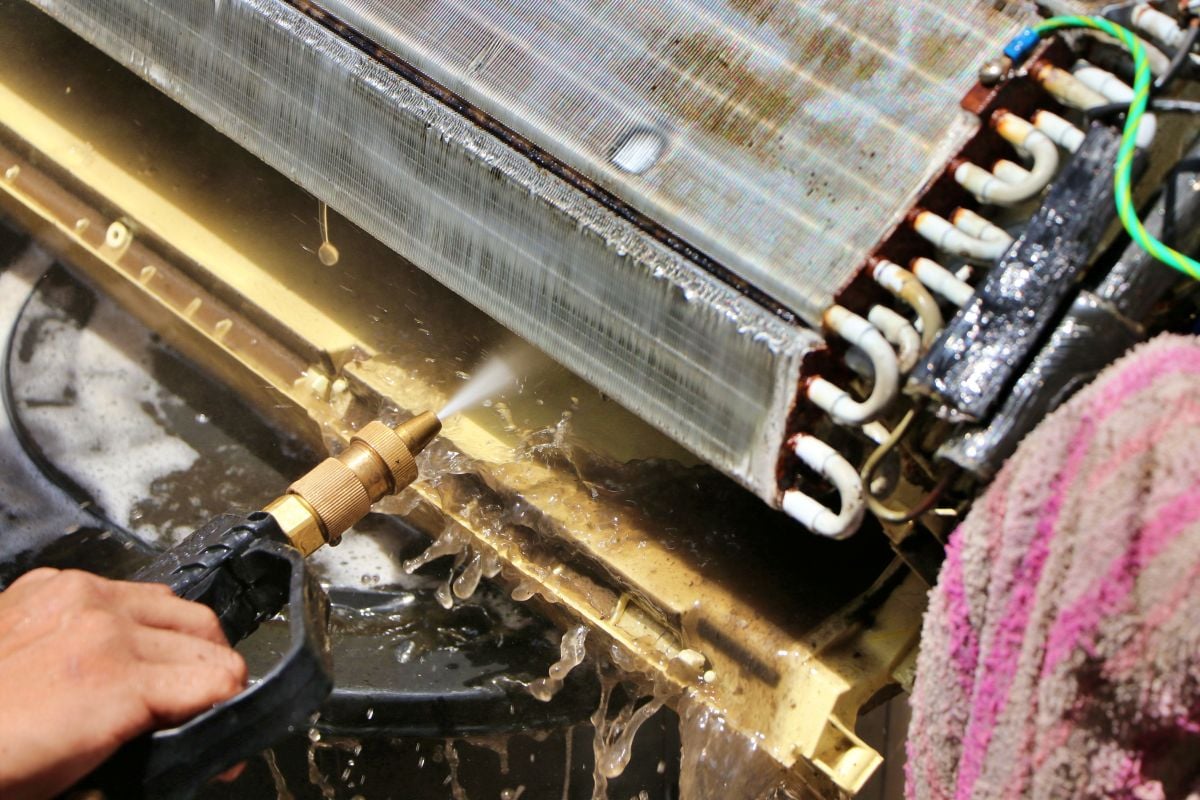
Your air conditioning system works hard to keep your home comfortable, especially during Michigan’s hottest months. But over time, dirt, dust, and debris collect on your unit’s evaporator and condenser coils, reducing airflow, lowering efficiency, and even leading to system damage. Choosing the right AC coil cleaner is an essential part of keeping your system running effectively year after year.
Whether you’re a hands-on homeowner or rely on professionals for maintenance in Ann Arbor, MI and surrounding areas, it’s important to know which cleaner is right for your unit and when to use it. If you’re planning seasonal maintenance or looking to improve performance, you can explore full system care options.
What you’ll learn in this guide:
- Why clean AC coils matter for system health and energy savings
- 5 effective options for cleaning your air conditioner coils
- How to choose the right cleaner for your home and system type
- Safety and application tips for homeowners
- How to decide when to DIY or call in the HVAC pros
Why Cleaning AC Coils Is Critical

Coils are essential to how your air conditioner cools your home. When they’re dirty, performance drops and energy use spikes. Worse, if left unchecked, grime buildup can lead to costly breakdowns and shorten your system’s lifespan. Regularly using a high-quality AC coil cleaner is a simple but effective way to remove this buildup and keep your unit running smoothly.
- Boosts Energy Efficiency: Clean coils help your system transfer heat properly, reducing how hard it needs to work.
- Extends Equipment Life: Prevents system strain and lowers the risk of overheating or part failure.
- Improves Indoor Air Quality: Removes mold, dust, and allergens that could recirculate through your ductwork.
- Reduces Cooling Costs: Efficient coils require less energy to achieve the same comfort level.
- Prevents Costly Repairs: Cleaning helps you catch problems before they turn into system-wide damage.
While maintaining your coils is vital for energy efficiency, learning how to clean AC drain line blockages is equally important to prevent condensation from backing up and damaging your system.
5 Effective Options For AC Coil Cleaner
There’s no one-size-fits-all solution when it comes to coil cleaning. The right option depends on your system type, how dirty the coils are, and your level of experience. Here are five options that homeowners and HVAC pros commonly use.
1. Foaming Coil Cleaners
These are some of the most popular and effective products on the market. Available in aerosol or pump spray, a foaming AC coil cleaner will expand on contact to push dirt and debris off the coil surface.
- Ideal For: Outdoor condenser coils and light-to-moderate buildup
- Key Benefits: Easy to apply, no rinsing required for most brands, penetrates tight fin spaces
- How It Works: Spray the foam directly onto the coils. As it expands, it lifts and breaks down dirt. Once it dissolves, grime is rinsed away by condensation or rain.
- Use Caution: Always follow the label to avoid overuse or exposure to sensitive electrical components.
If you are applying this to your indoor unit, the dissolving grime will wash directly into your AC drip pan, so you must ensure the pan is completely clear of clogs before starting.
2. Non-Foaming Coil Cleaners
These liquid cleaners are formulated to clean without expanding, making them a more precise AC coil cleaner for delicate or harder-to-access parts.
- Ideal For: Indoor evaporator coils and fragile coil surfaces
- Key Benefits: Gentler on parts, safe for most AC system materials, less mess
- How It Works: Spray directly and let it soak before wiping or rinsing if required. Some evaporate completely.
- Use Caution: Always shut off power before applying liquid near electrical components.
3. Self-Rinsing Cleaners
Designed to be applied and left alone, these are a great AC coil cleaner option for condenser coils where natural water (rain or condensation) will carry away the residue.
- Ideal For: Outdoor units and maintenance between professional cleanings
- Key Benefits: Time-saving, no scrubbing or rinsing required, fast-acting
- How It Works: Apply evenly and let the unit run. As the system creates moisture, it naturally flushes away loosened debris.
- Use Caution: These cleaners are not as effective for heavy grime or mold buildup.
4. Biodegradable or Eco-Friendly Cleaners
For homeowners concerned about chemical exposure or environmental impact, an eco-friendly AC coil cleaner provides a safer alternative.
- Ideal For: Homes with pets, children, or allergy-sensitive residents
- Key Benefits: Low toxicity, biodegradable ingredients, safe for indoor air
- How It Works: These cleaners use plant-based solvents or mild acids to break down grease and dirt. They often require a rinse or wipe-down.
- Use Caution: May not work as quickly or thoroughly on heavy buildup.
5. Professional-Grade Cleaners (Used by HVAC Techs)
Some high-strength AC coil cleaner options are only recommended for use by certified HVAC professionals due to their high acidity or specialized application requirements.
- Ideal For: Severe buildup, commercial units, or neglected systems
- Key Benefits: Deep-cleaning, restores severely blocked coils, professional accuracy
- How It Works: HVAC pros apply these with specialized tools and techniques during scheduled maintenance.
- Use Caution: These cleaners are not intended for homeowner use due to the potential for damage or injury if misapplied.
Because these industrial-grade formulas can be corrosive to both the metal fins and the skin, they require precise handling to ensure the system is cleaned without being damaged.
How to Choose the Right AC Coil Cleaner

Each cleaner has advantages, but the wrong one can damage your system or fall short. Here are factors to consider before choosing a AC coil cleaner for your home in Ann Arbor, MI and surrounding areas.
Type of AC System
- Central air systems often have both indoor (evaporator) and outdoor (condenser) coils.
- Mini-split systems have smaller, delicate components that may require gentler products.
- Window or portable units can often be cleaned with standard foaming sprays or non-abrasive solutions.
Location of the Coil
- Outdoor coils can handle more aggressive cleaners and rinsing.
- Indoor coils near electrical components need no-rinse, non-foaming options.
Condition of the Coil
- Light dust may only need a basic rinse or eco cleaner.
- Heavy grime or mold likely requires a foaming product or professional cleaning.
Sensitivity to Chemicals
- If anyone in your home has asthma or allergies, avoid strong chemical cleaners.
- Choose plant-based or fragrance-free options for indoor applications.
Maintenance Goals
- Use standard cleaners for DIY seasonal upkeep.
- Use professional-grade products for deep cleanings or neglected units.
Applying these industrial-strength chemicals requires absolute precision, which is why relying on expert AC technicians is the safest way to restore a heavily neglected system without degrading the metal.
Safe Application Tips for Homeowners
Even with a suitable AC coil cleaner, using it incorrectly can cause damage or create hazards. These best practices help you clean safely and effectively.
- Turn Off Power: Always shut off your HVAC system before accessing coils or spraying any product.
- Wear Gloves and Eye Protection: The AC Coil cleaner can irritate skin or eyes if splashed.
- Check the Manual: Your AC system may have recommendations on suitable products.
- Ventilate the Area: Open windows if cleaning indoor units with any chemical solution.
- Avoid Overuse: Too much product can leave residue that affects airflow or attracts dirt.
- Watch for Warning Signs: If you notice damaged fins, corrosion, or ongoing issues after cleaning, call a professional.
Coil Cleaner vs. Professional Maintenance: What’s the Difference?
DIY coil cleaning helps with surface-level dirt, but professional maintenance offers more thorough benefits. Here’s how they compare.
| Factor | DIY Coil Cleaner | Professional Maintenance |
| Depth of Cleaning | Surface only | Deep cleaning into fin spaces and drain pans |
| Tools Used | Spray bottle or aerosol | Pressurized air, coil brushes, vacuums |
| Safety Checks | None | Electrical, refrigerant, and airflow tests |
| Time Required | 30–60 minutes | 1–2 hours depending on system |
| Best Use Case | Between service calls | Annual checkups or major issues |
| Risk Level | Low if instructions followed | None (performed by trained technician) |
If your AC has performance issues even after using an AC coil cleaner—or if it’s been more than a year since your last inspection—schedule a professional tune-up. A comprehensive AC tune-up ensures that a certified technician will handle the deep cleaning while also checking your refrigerant levels and electrical connections.
When and How Often Should Coils Be Cleaned?
Cleaning frequency depends on your environment and usage, but using an AC coil cleaner for regular maintenance ensures peak system health.
- Annually: Schedule at least one full coil cleaning per year, ideally before peak summer use.
- Every 3–6 Months: If you live near construction zones, trees, or heavy pollen areas, clean coils more often.
- As Needed: If you notice reduced cooling, higher bills, or visible buildup, clean coils immediately.
Homes in Ann Arbor, MI and surrounding areas often deal with seasonal pollen, moisture, and humidity—all of which can increase the need for cleaning.
Signs It’s Time to Clean Your Coils
Not sure if your system needs AC coil cleaner? Watch for these symptoms.
- AC takes longer to cool your home
- Higher utility bills without a usage change
- Warm air blowing from vents
- Visible dirt, mold, or gunk on coils
- Unusual smells when AC turns on
- Water pooling or dripping around the unit
If these signs appear after cleaning, the system may need deeper service or part replacement.
Call Rolls Mechanical for Trusted AC Maintenance

Keeping your coils clean is one of the simplest ways to protect your air conditioning system and ensure it performs at its best. But not every job is DIY. If you’re unsure which AC coil cleaner to use or suspect your coils need professional care, it’s time to bring in expert help.
Rolls Mechanical proudly serves Ann Arbor, MI and surrounding areas with professional HVAC cleaning, inspections, and seasonal maintenance services. Whether you need a simple AC coil cleaner application or a full-system tune-up, we help you keep your home cool and efficient year-round.
For questions or to schedule a visit, contact us today and let Rolls Mechanical help you get the most out of your cooling system.