


Your home’s electrical panel may be hidden in the basement or garage, but it plays a central role in your comfort and safety every day. If it’s outdated or overloaded, you could face serious risks—ranging from frequent breaker trips to electrical fires. Whether you’re planning a remodel, adding appliances, or experiencing power issues, understanding when and how to complete an electrical panel upgrade is essential. If you’re noticing warning signs or simply want to prepare your home in West Bloomfield, MI and surrounding areas for modern demands, it’s worth exploring overall system improvements that start with strong electrical foundations.
What you’ll learn in this guide:
- Why electrical panels need upgrading in today’s homes
- A step-by-step overview of the upgrade process
- Common signs your panel may be outdated or unsafe
- Safety tips and planning considerations
- What to expect during and after the installation
Why Electrical Panel Upgrades Matter More Than Ever
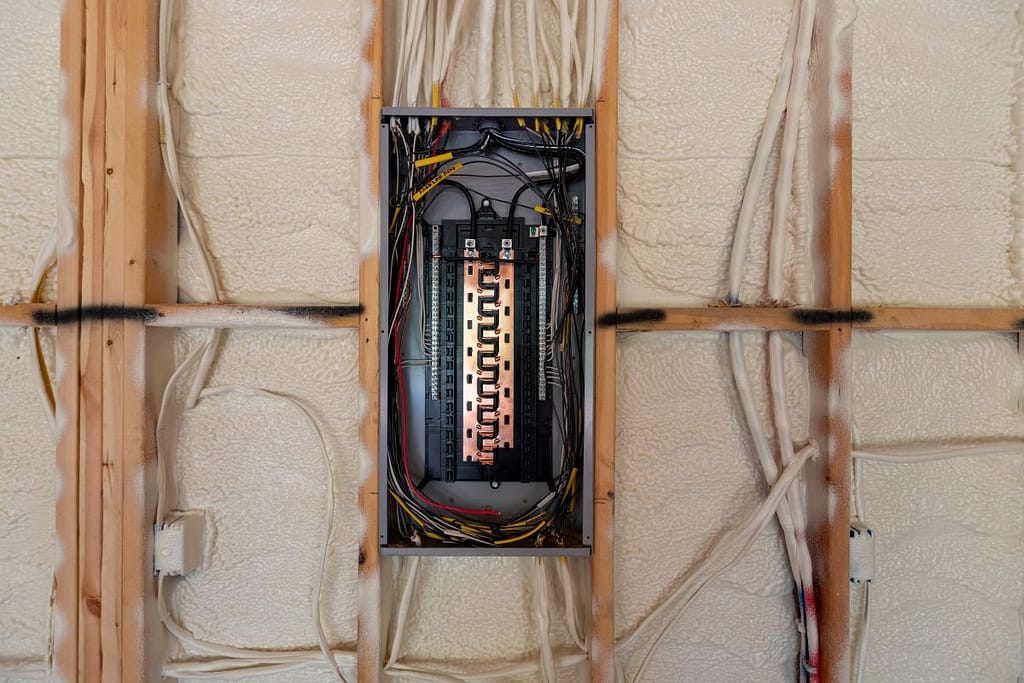
Today’s households rely on more power than ever—from smart home devices and high-efficiency HVAC systems to electric vehicles and kitchen upgrades. Many older homes weren’t designed to handle this demand. If your panel isn’t up to the task, your system may struggle or become dangerous.
- Supports New Appliances: Modern HVAC units, ovens, EV chargers, and more require ample, stable power.
- Prevents Overloads: Too much draw on an outdated panel can lead to frequent tripping or fire hazards.
- Improves Safety: Older panels may lack arc-fault protection, proper grounding, or clear labeling.
- Enhances Property Value: Buyers often look for updated electrical infrastructure in older homes.
- Protects Against Fire Risks: Faulty or overloaded panels are one of the top causes of electrical house fires.
6 Steps to a Safe and Professional Electrical Panel Upgrade
Upgrading an electrical panel involves far more than just swapping a breaker box. It requires careful assessment, proper permitting, and skilled electrical work. Here’s what a typical upgrade process looks like from start to finish.
1. Evaluate the Existing System
The first step is an inspection of your current panel and electrical usage.
- Determine the panel’s age, amperage capacity, and condition.
- Identify signs of wear such as rust, scorching, or melted wires.
- Assess power demand for appliances, HVAC systems, and future additions.
Homeowners in West Bloomfield, MI and surrounding areas with homes built before 1980 are more likely to need upgrades due to older wiring and panels that may only support 60–100 amps.
2. Plan the Upgrade
Based on your home’s needs, an electrician will recommend the proper panel size and layout.
- Most modern homes require at least 200 amps for stable performance.
- Larger homes or those with multiple HVAC zones may need even more.
- The layout of breakers will be designed for future accessibility and proper circuit distribution.
Planning also includes discussing future energy needs, such as EV charging stations, solar panel integration, or finished basement projects.
3. Obtain Permits and Schedule Service
Electrical work on your main panel must be permitted and inspected by your local municipality.
- A licensed electrician will submit plans to the local building department.
- The utility company is notified to coordinate power shut-off and reactivation.
- Your upgrade is scheduled based on permit approval and utility availability.
Permits ensure that your new system meets current electrical code standards and keeps your household safe.
4. Shut Down and Remove the Old Panel
On installation day, power is shut off at the meter to safely begin work.
- The old panel, breakers, and any damaged wiring are carefully removed.
- Electricians label circuits and test connections before transferring them.
- Grounding systems are updated or installed if needed.
The temporary loss of power typically lasts 4–8 hours depending on the size of the job.
5. Install the New Panel
The new panel is mounted, connected to the main service line, and each circuit is installed and labeled.
- Breakers are organized based on function and area of the home.
- Arc-fault and ground-fault breakers may be added as required.
- Surge protection devices may be installed to guard electronics from power spikes.
Once complete, the panel is sealed and checked for safe operation.
6. Inspect and Restore Power
After installation, the work is inspected by the city or county electrical authority.
- The inspector ensures code compliance and safe grounding.
- The utility company reconnects power to the meter and new panel.
- Final testing confirms full function across circuits and appliances.
Homeowners receive documentation confirming the panel has passed inspection and is safe for use.
Common Reasons for Upgrading Your Electrical Panel
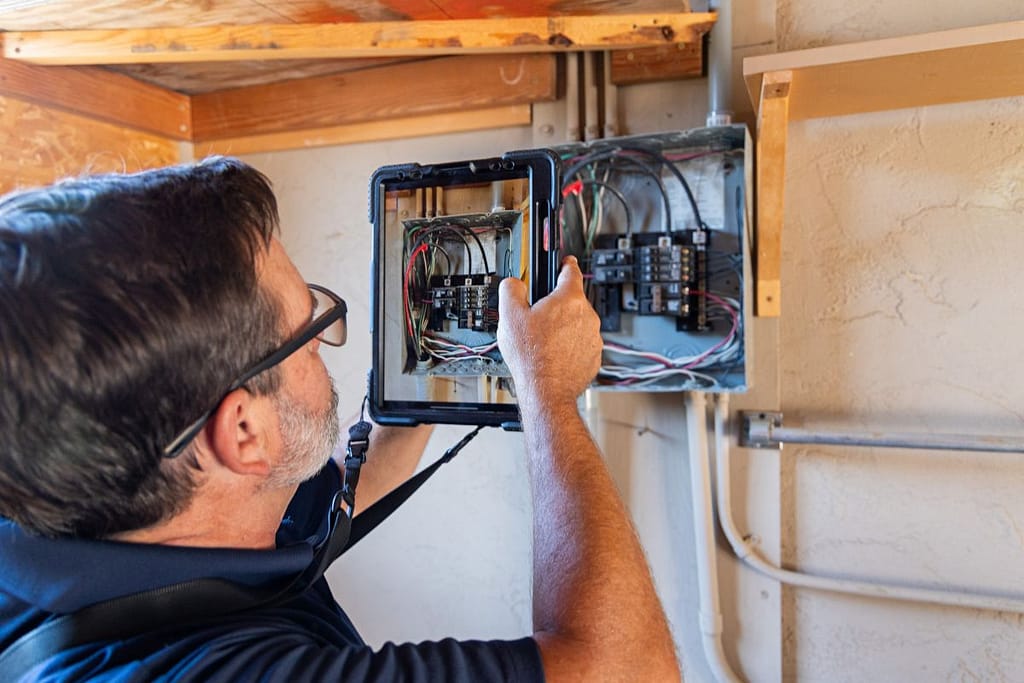
Not sure whether your home needs an upgrade? These are the most common scenarios that indicate your panel may be outdated or inadequate.
Constant Breaker Trips
Frequent tripping is usually caused by overloading or faulty breakers.
- May result from too many high-demand appliances on one circuit
- Could also signal internal panel damage or faulty wiring
- Persistent tripping is a warning sign of an overstressed system
Adding New Appliances or Features
Major upgrades often require more power than your panel can handle.
- HVAC system replacements
- Electric vehicle chargers
- Hot tubs, saunas, or tankless water heaters
- Kitchen remodels or additional ovens
Upgrading the panel ensures safe and uninterrupted operation of new equipment.
Panel is 30+ Years Old
Many older panels no longer meet today’s safety standards.
- Panels from the 1960s–1980s may have limited amperage and outdated materials
- Some brands (like Federal Pacific or Zinsco) are known for safety issues
- Aging panels may lack grounding, GFCI protection, or reliable breakers
If you live in an older home in West Bloomfield, MI and surrounding areas, an inspection can determine whether your panel is still safe.
Burn Marks or Rust
Visual signs of damage inside or outside the panel box suggest serious safety risks.
- Scorching, melted insulation, or arcing sounds indicate internal faults
- Corroded connections or moisture infiltration can lead to shorts
- These signs require immediate attention and likely replacement
Planning a Home Expansion
Adding square footage increases electrical demand and may exceed your current capacity.
- New circuits are needed for lighting, outlets, and HVAC distribution
- Older panels may not have physical space or amperage to accommodate growth
- It’s better to upgrade proactively than run out of safe capacity mid-project
Panel Upgrade vs. Subpanel: What’s the Difference?
Sometimes, a full replacement isn’t necessary. If your current panel is in good shape but lacks space, a subpanel may be a better solution.
| Situation | Full Panel Upgrade | Subpanel Addition |
| Panel is over 30 years old | ✅ Required | ❌ Not sufficient |
| You’re upgrading amperage (e.g. 100A to 200A) | ✅ Required | ❌ Not an option |
| Current panel is in good condition | ❌ Not necessary | ✅ Add-on possible |
| You’re adding circuits for a garage, addition, or workshop | ❌ Optional | ✅ Ideal for small expansion |
Your electrician will recommend the best option based on current panel health and your home’s projected electrical load.
What to Expect During and After Your Upgrade
An electrical panel upgrade is typically completed in a single day, though permitting and inspections may span a few weeks. Here’s what to keep in mind.
During the Upgrade
- Power will be off to the whole home temporarily
- Refrigerators and electronics should be unplugged or protected
- The area around the panel should be cleared for access
- Children and pets should be kept away from the work zone
After the Upgrade
- Labeling will make circuit identification easier going forward
- New breakers reduce nuisance trips and increase efficiency
- You’ll be able to safely run more appliances at once
- Your home will meet local code and safety standards
Most homeowners in West Bloomfield, MI and surrounding areas notice improved reliability and fewer interruptions immediately after the upgrade.
Cost Considerations and Financing Options

Upgrading an electrical panel is a significant investment, but the cost is well worth the safety and peace of mind.
- Typical Cost Range: $1,800 to $4,000 depending on system size and complexity
- Permit Fees: May add $100–$300 depending on your jurisdiction
- Upgrades for EVs or Solar: May require additional hardware and labor
Ask about financing plans or payment options if you’re planning a larger renovation. Many utility companies also offer rebates for energy-efficiency upgrades that include electrical improvements.
Call Rolls Mechanical for Expert Electrical Panel Upgrades
Whether you’re renovating your home, adding new appliances, or simply want to improve safety, an electrical panel upgrade is a smart investment. From preventing fire risks to powering your modern lifestyle, a new panel lays the foundation for years of reliable comfort.
If you’re unsure whether your current system can keep up—or know it’s time for a replacement—Rolls Mechanical can help. We serve West Bloomfield, MI and surrounding areas with licensed electricians, transparent pricing, and installations that meet the highest safety standards.
For a professional assessment or to schedule service, contact us today and let Rolls Mechanical protect your home with a panel built for modern living.
