


When it comes to home cooling and heating solutions, homeowners often face the dilemma of choosing between a mini split vs central air system. Understanding the difference between these two HVAC options is crucial for optimizing comfort and energy efficiency in your home. Whether you are building a new residence or upgrading an existing heating and cooling system, knowing the benefits and limitations of each will guide your decision. For detailed insight into residential HVAC solutions, you can explore our comprehensive residential HVAC services.
- Discover the main operational differences between mini splits and central air systems
- Learn about the energy efficiency and cost implications of each option
- Understand installation considerations, including space and ductwork needs
- Explore maintenance requirements for long-term system reliability
Why Comparing Mini Splits and Central Air Matters
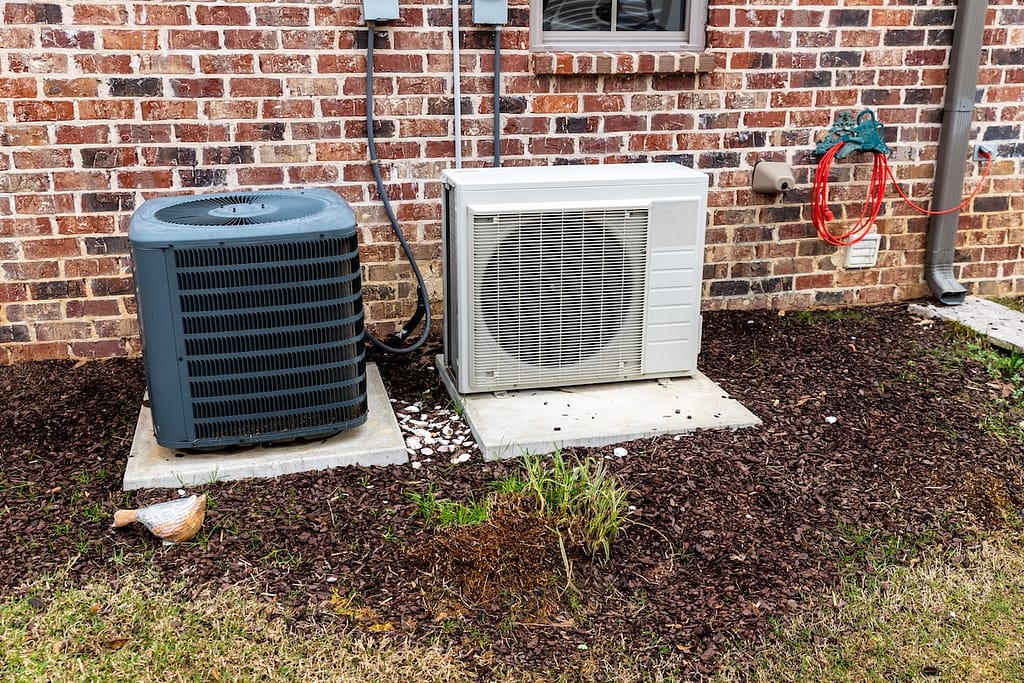
Choosing the right cooling and heating system affects your home’s comfort, utility bills, and even property value. The decision between a mini split vs central air system often comes down to your home’s specific layout, energy goals, and budget constraints. With advances in HVAC technology, modern systems offer a wide range of options tailored to different needs.
- Comfort Control: Each system impacts how evenly and quickly your home achieves desired temperatures.
- Energy Efficiency: Your choice will influence monthly utility costs and environmental impact.
- Installation Complexity: Understanding what’s involved in setup helps avoid unexpected expenses.
- Home Design Compatibility: Some systems work better with certain architectural styles and layouts.
- Maintenance Needs: Long-term upkeep requirements differ and affect overall ownership cost.
4 Key Factors to Consider When Choosing Between Mini Split and Central Air
Selecting the right HVAC system requires careful consideration of various factors. Here are four key aspects to evaluate when determining whether a mini split or central air system suits your home best.
1. Installation Requirements and Space Considerations
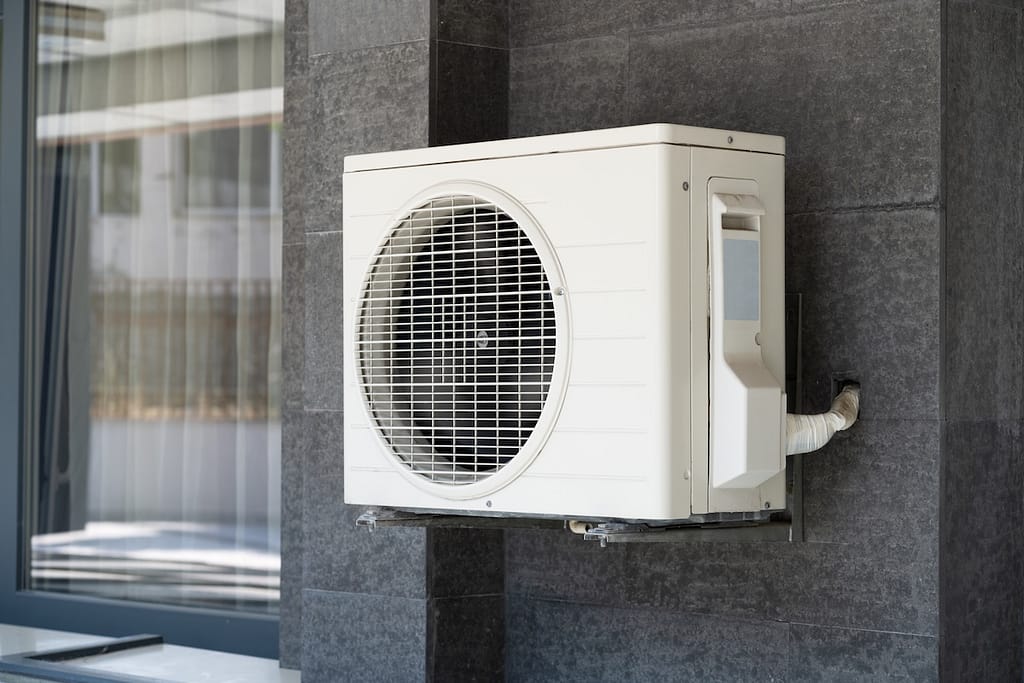
Mini split systems are ductless and consist of an outdoor compressor and one or more indoor air handling units. This design permits flexible installation, especially in homes without existing ductwork.
- Mini Split: Requires only a small hole to connect the indoor units to the outdoor compressor; ideal for additions or spaces lacking ducts.
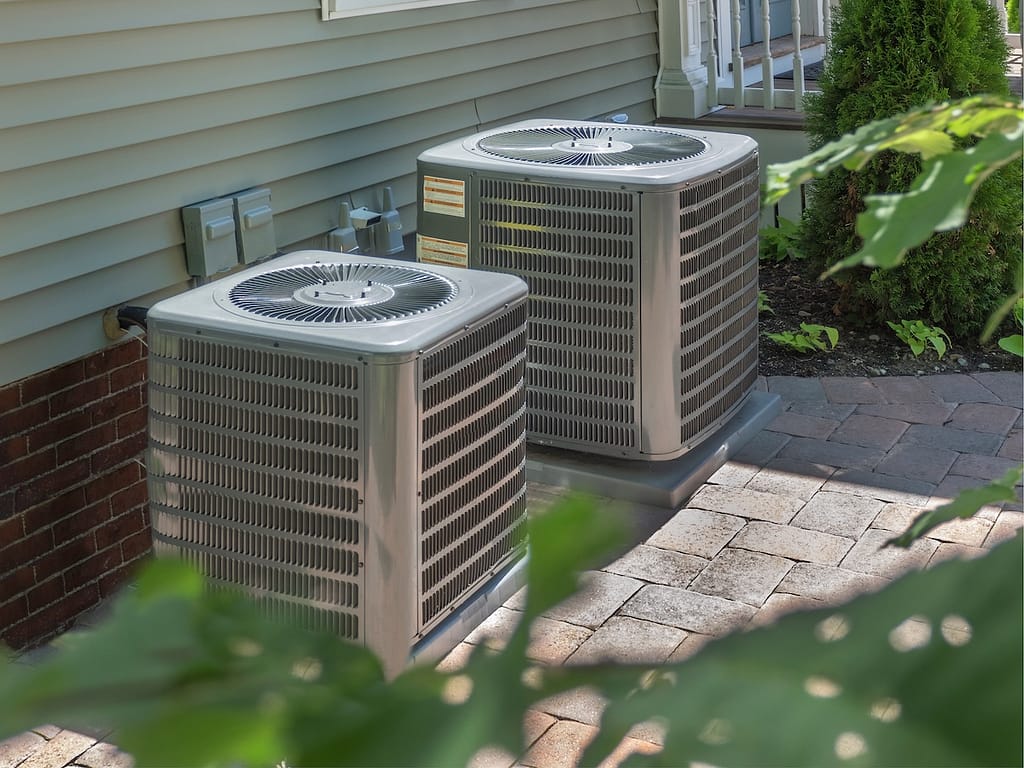
- Central Air: Uses ducts to distribute conditioned air throughout the home, requiring existing ductwork or installation of new ducts.
2. Energy Efficiency and Cost Savings
Energy consumption varies between these systems, affecting your utility bills. Mini splits often excel in zone control, enabling homeowners to cool or heat individual rooms as needed.
- Mini Split: High efficiency due to inverter technology and ability to avoid cooling unused spaces.
- Central Air: Efficiency depends on ductwork quality and system sizing; may waste energy by conditioning the entire home even if only certain rooms are occupied.
3. Comfort and Temperature Control
The way heat is distributed impacts comfort. Mini splits provide quiet operation and individualized temperature settings, while central air offers whole-house climate control with consistent airflow.
- Mini Split: Allows multi-zone control, great for different family member preferences.
- Central Air: Offers uniform cooling/heating but less flexibility for separate zones.
4. Maintenance and Longevity
Both systems require routine maintenance to maintain efficiency and durability, but the tasks differ.
- Mini Split: Easier filter access and fewer components, but outdoor units need protection from weather.
- Central Air: Requires duct cleaning, filter changes, and periodic professional checks.
Additional Insights on Mini Split and Central Air Systems
Beyond the fundamental aspects, other considerations can influence your choice between a mini split vs central air system. These include noise levels, aesthetics, and adaptability to future home renovations.
Noise Levels
Mini split indoor units are known for whisper-quiet operation, making them suitable for bedrooms and offices. Central air systems’ noise primarily comes from the air handler and ductwork, which may be more noticeable inside the home but can often be mitigated with proper installation.
Aesthetic Impact
Mini splits feature slim indoor units mounted on walls or ceilings, which can be less visually intrusive in modern interiors. Central air systems keep most components hidden, with only vents visible, preserving classic home aesthetics.
Flexibility for Future Modifications
Because mini splits require minimal structural changes, they are easier to modify or expand when remodeling. Central air systems may pose greater challenges if ductwork needs to be rerouted or added later.
Understanding Costs and Financing Options
Cost often plays a critical role in deciding between a mini split and central air system. Assessing both upfront and ongoing expenses ensures alignment with budget and expectations.
- Initial Investment: Mini splits generally cost less to install when no ductwork is needed, whereas central air installation can be more costly due to ductwork and equipment.
- Operational Expenses: Mini splits can reduce power use with zone control, but central air may be more economical for uniformly sized and insulated homes.
- Incentives and Rebates: Look for available tax credits and utility rebates for energy-efficient HVAC installations which may help offset cost.
- Financing Plans: Many providers offer payment options to make installation affordable.
Which System Is Right for You?
Choosing the ideal HVAC system depends on balancing your home’s specific layout, comfort preferences, and budget constraints. Mini split and central air systems each bring unique advantages that can match different needs.
Rolls Mechanical provides expert guidance to help homeowners navigate this choice with confidence. For personalized advice and professional installation tailored to your residence in the local area, please contact us today. Rolls Mechanical is dedicated to delivering the best heating and cooling solutions for your home, ensuring comfort year-round.
