


Maintaining healthy indoor air quality is essential for comfort and wellbeing in any home or workplace. One of the most effective solutions to improving air circulation and reducing pollutants is the use of exhaust fans. These devices work quietly and efficiently to remove stale air, moisture, and contaminants from indoor spaces, ensuring that the environment remains fresh and breathable.
- Understand how exhaust fans improve indoor air quality
- Discover 7 key benefits of using exhaust fans in homes and offices
- Learn the different types of exhaust fans and their ideal locations
- Find tips for maintaining and choosing the right exhaust fan
Why Exhaust Fans Matter for Indoor Air Quality
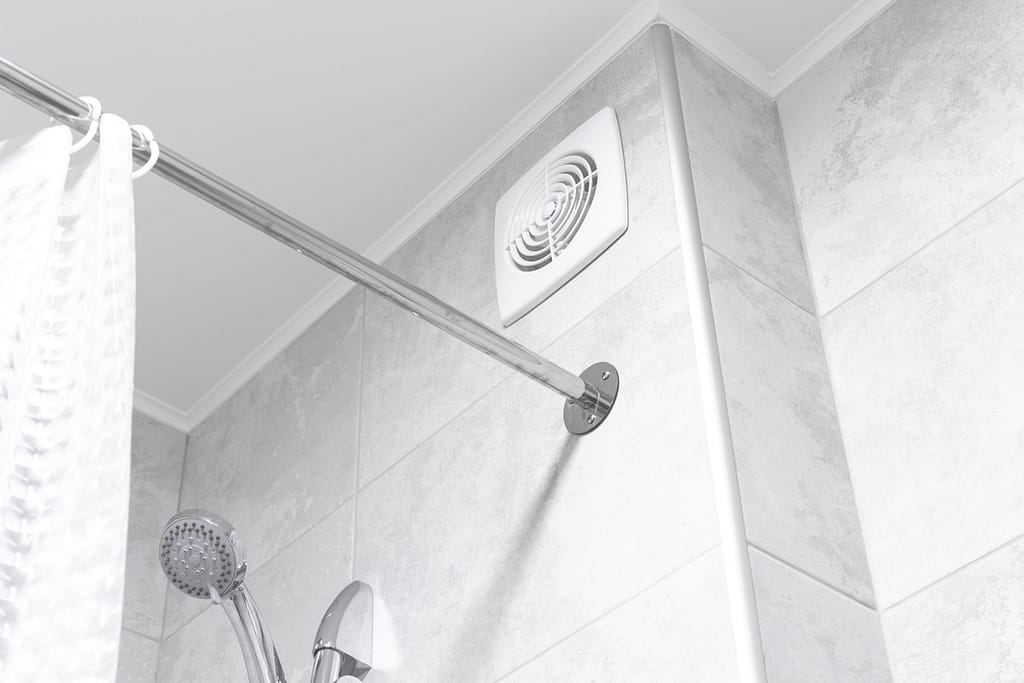
Indoor air pollution can come from a range of sources—from humidity and cooking odors to allergens and chemical pollutants. Exhaust fans play a crucial role in actively controlling these factors, making rooms healthier places to occupy. Proper ventilation helps reduce the buildup of contaminants that could lead to respiratory issues, allergies, or even structural damage over time. They are especially important in rooms that generate excess moisture or pollutants.
- Air Circulation: Exhaust fans promote constant air movement, preventing stagnation that traps pollutants indoors.
- Moisture Control: Removing excess humidity helps to prevent mold and mildew growth, which can affect both health and building integrity.
- Odor Reduction: Fans quickly eliminate cooking, smoke, and pet odors for fresher indoor air.
- Allergen Management: By exhausting airborne particles, they reduce allergens like dust and pollen.
- Energy Efficiency: Modern exhaust fans help maintain comfortable temperatures by facilitating proper ventilation without using excessive energy.
7 Key Benefits of Using Exhaust Fans
Installing exhaust fans in your home or commercial space provides multiple advantages beyond just removing bad smells. Below are seven essential benefits that highlight their value for indoor air quality and overall comfort.
1. Improves Respiratory Health
Exhaust fans remove airborne contaminants such as dust, smoke, and chemical fumes that can aggravate respiratory diseases like asthma or allergies.
- Cleaner Air: Reduces pollutants harmful to lung function.
- Reduced Irritants: Limits exposure to triggers for coughing and sneezing.
2. Controls Humidity Levels
Excess moisture from showers, cooking, or indoor plants can create a breeding ground for mold and mildew. Exhaust fans expel this moisture, helping to maintain balanced humidity.
- Mold Prevention: Protects building materials and health from mold-related issues.
- Comfort Enhancement: Reduces clamminess and damp smells.
3. Enhances Odor Removal
Whether from strong cooking smells, tobacco smoke, or pets, exhaust fans help eliminate unwanted odors rapidly, ensuring fresher air throughout the property.
- Faster Air Renewal: Continuously clears out lingering scents.
- Smell Neutralization: Prevents odor buildup in fabrics and furnishings.
4. Prevents Structural Damage
By controlling moisture levels, exhaust fans reduce the risk of water damage to walls, ceilings, and insulation.
- Protects Surfaces: Prevents paint peeling and wood rot.
- Extends Building Lifespan: Maintains structural integrity.
5. Saves Energy Costs
Complementing your HVAC system with exhaust fans can improve overall energy efficiency by reducing the need for overuse of heating or cooling systems.
- Optimized Ventilation: Avoids over-reliance on air conditioning.
- Lower Utility Bills: Uses targeted airflow instead of whole-house systems.
6. Improves Comfort
Continual air exchange helps regulate indoor temperature and freshness, contributing to a more pleasant living or working environment.
- Reduces Heat Build-up: Especially effective in kitchens and bathrooms.
- Increases Freshness: Provides a steady supply of fresh air.
7. Supports Compliance with Building Codes
Many local building regulations require proper ventilation in bathrooms, kitchens, and other moisture-prone areas. Exhaust fans help meet these standards confidently.
- Code Adherence: Avoids fines and costly code violations.
- Safer Environment: Meets safety benchmarks for indoor air quality.
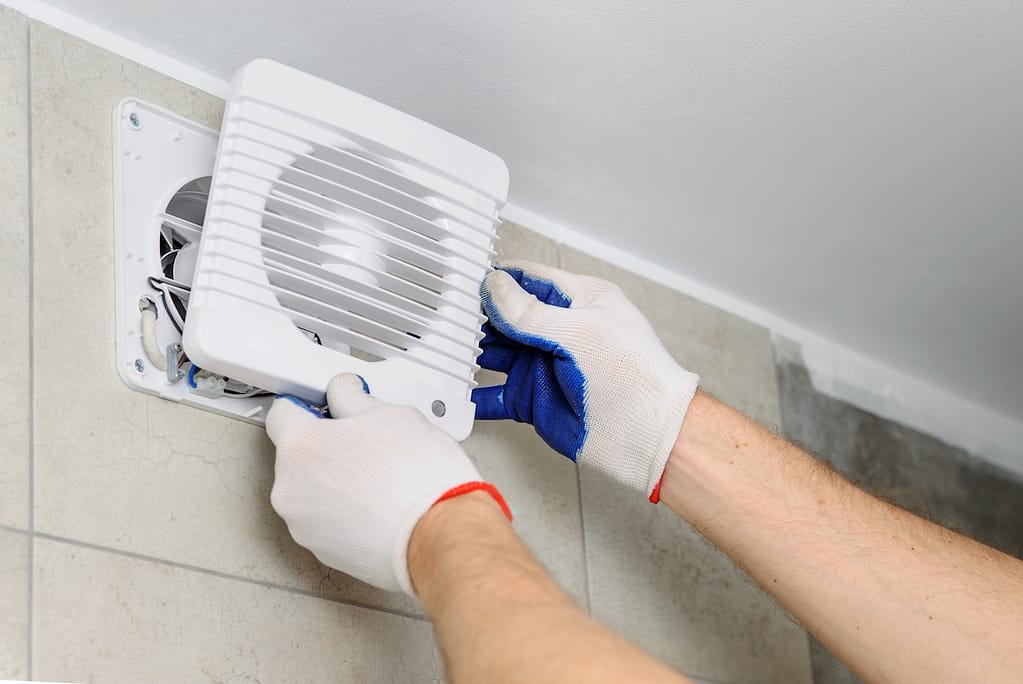
Exploring Different Types of Exhaust Fans and Their Applications
There are various exhaust fan models designed to meet specific airflow and installation needs. Understanding their features will help you choose the best option for each room or situation.
Ceiling-Mounted Exhaust Fans
Ideal for bathrooms and laundry rooms, these fans install on or just below the ceiling and vent moisture and odors outside. They typically come with moisture sensors and quiet operation.
Wall-Mounted Exhaust Fans
Placed directly on exterior walls, these units are common in kitchens and garages where direct venting is possible. Wall-mounted options often provide strong airflow with minimal ductwork.
Inline Exhaust Fans
Located within the ducting system, inline fans provide powerful ventilation across multiple rooms or large spaces without occupying visible wall or ceiling space.
Attic Exhaust Fans
Designed specifically for attic spaces, these fans reduce heat buildup and humidity, protecting roof structures and improving overall home energy efficiency.
Energy Star Rated Fans
These advanced fans consume less power while maintaining strong, quiet airflow, ideal for environmentally conscious homeowners.
Common Questions About Exhaust Fans
- How often should I run my exhaust fan? For bathrooms and kitchens, it’s recommended to run the fan during and at least 20 minutes after use to remove moisture and odors effectively.
- Can exhaust fans help with mold prevention? Yes, by reducing humidity, exhaust fans inhibit moisture accumulation that promotes mold growth.
- Are exhaust fans noisy? Modern exhaust fans are designed to operate quietly, though high-capacity models may produce some sound.
- Is it necessary to vent exhaust fans outside? Proper venting outdoors is crucial to remove humidity and pollutants rather than recirculating them indoors.
- How do I select the right size exhaust fan? The right fan depends on room size and usage; consulting a professional HVAC service ensures optimal selection.
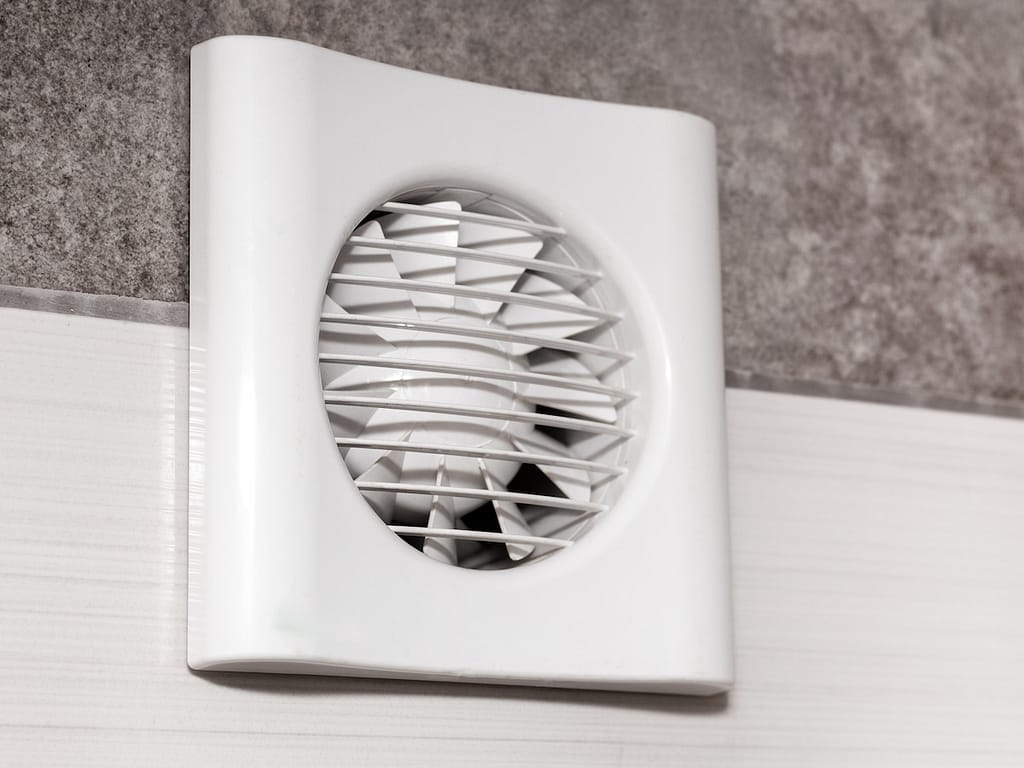
Maximize Air Quality with Professional Exhaust Fan Installation
Properly installed and maintained exhaust fans can dramatically improve indoor air quality and comfort across homes and offices in the area. If you’re considering upgrading or adding exhaust ventilation to your property, working with experienced HVAC professionals helps ensure the best results tailored to your specific needs.
Discover how Rolls Mechanical can help enhance your indoor environment with expertly designed and installed exhaust fan solutions. To get started with improving your indoor air quality, contact us today.
