

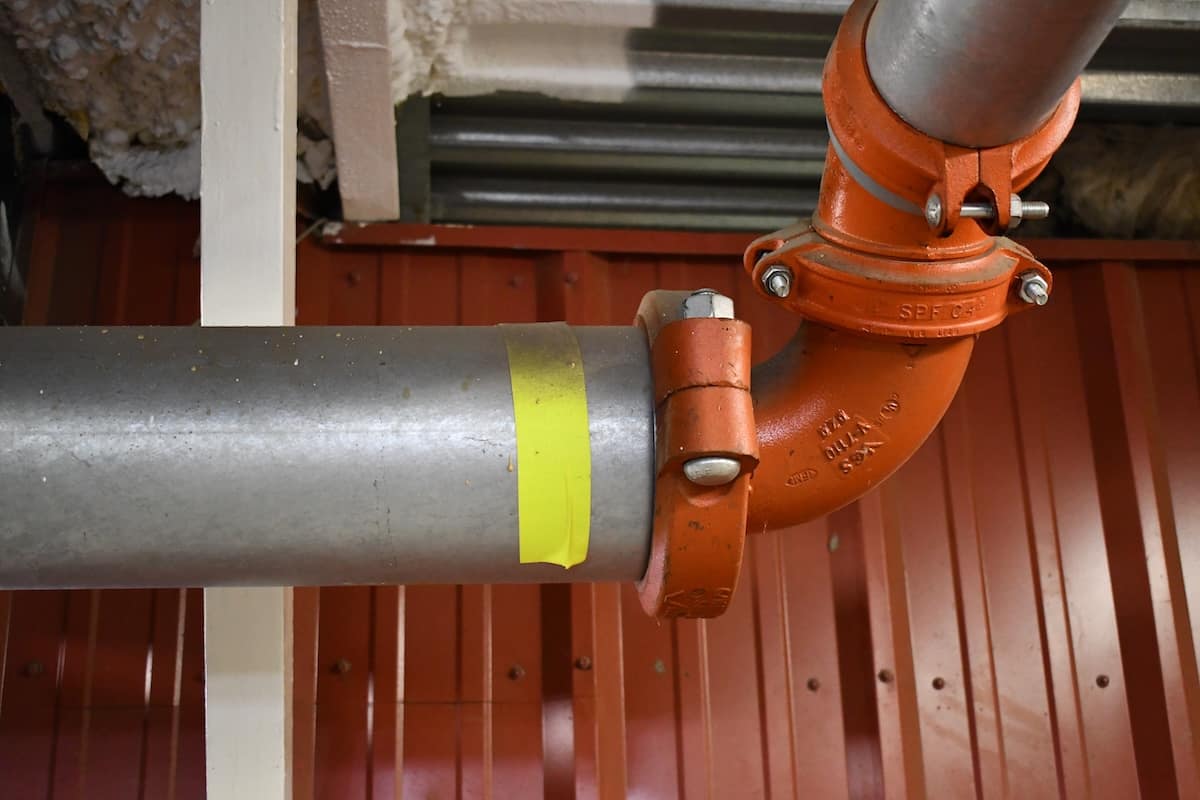
Understanding the common issues associated with galvanized pipe is crucial for homeowners and property managers aiming to maintain a safe and efficient plumbing system. Galvanized pipes, once a popular choice for water supply lines, have distinct properties that can lead to specific problems over time. Knowing these issues and when it is time to repair or replace your galvanized pipes can save you from costly water damage and health risks. If you are experiencing plumbing challenges, exploring professional plumbing services can offer tailored solutions that protect your home and ensure system reliability.
- Common issues found with galvanized pipes
- Signs that indicate repair or replacement is necessary
- Difference between repair and replacement decisions
- How to maintain your plumbing system with galvanized pipes
- Benefits of professional inspection and service options
Why Galvanized Pipe Problems Matter to Your Home’s Plumbing
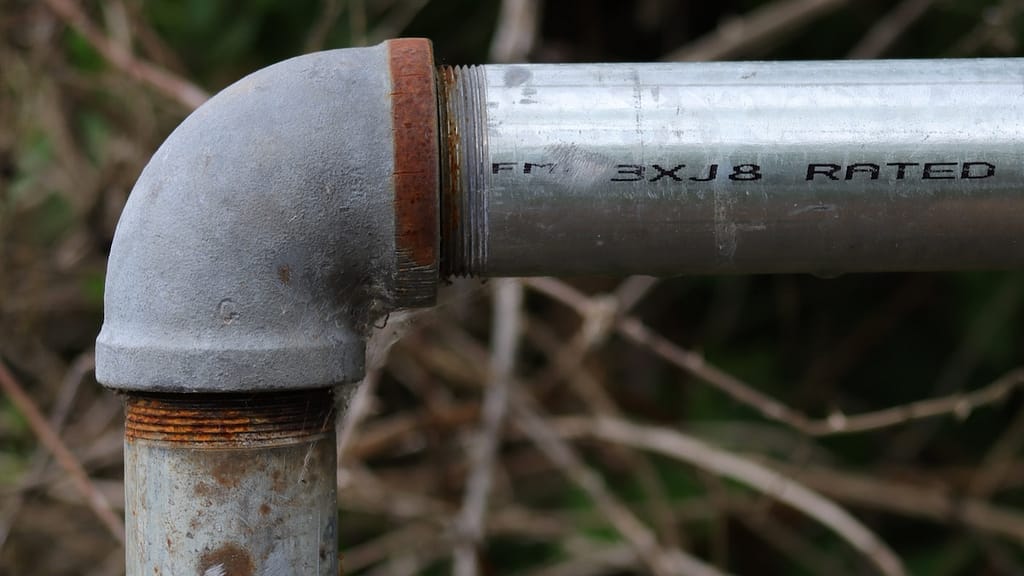
Galvanized pipes have been used in plumbing systems for decades due to their corrosion-resistant zinc coating. However, over time, this protective layer deteriorates, exposing the metal beneath to corrosion, which directly affects water quality and flow. Addressing galvanized pipe problems early ensures longevity of your plumbing system and avoids serious consequences such as water contamination or sudden failure because of frozen pipes or any other reason.
- Corrosion Risk: The zinc layer corrodes, leading to rust buildup inside the pipes.
- Water Pressure Issues: Rust and mineral deposits restrict water flow causing poor water pressure.
- Lead Contamination: Older galvanized pipes may have lead soldering which is hazardous to health.
- Pipe Leaks: Corrosion eventually causes leaks, risking water damage and mold growth.
- Maintenance Challenges: Repairing galvanized pipes can be difficult and costly without proper expertise from a reliable company.
7 Clear Indicators You Need to Repair or Replace Your Galvanized Pipes
Determining the right course of action – whether to repair or replace galvanized pipes – depends on specific signs and the extent of pipe deterioration. Here are seven critical indicators to guide your decision-making process.
1. Discolored or Rusty Water
When you notice water coming out of taps is yellow, brown, or has a metallic taste, it usually means rust is flaking off inside the pipes.
- Effect: Rust particles can contaminate drinking water and damage appliances.
- Action: Immediate inspection is recommended to assess if pipe replacement is required.
2. Low Water Pressure or Flow
Rust buildup narrows the pipe’s internal diameter, restricting water flow, which results in weak water pressure.
- Effect: Reduced efficiency in showers, faucets, and irrigation systems.
- Action: Repair may temporarily improve flow, but replacement offers a long-term fix.
3. Frequent Leaks or Water Stains
Visible leaks on pipes or water stains on walls and ceilings are signs of pipe failure points caused by corrosion.
- Effect: Risk of water damage and costly home repairs.
- Action: Leaks require immediate repair; extensive damage might necessitate full pipe replacement.
4. Age of the Plumbing System
Galvanized pipes typically have a lifespan of 40 to 50 years. Beyond this, corrosion and buildup become severe.
- Effect: Greater frequency of plumbing issues and increased risk of pipe bursts.
- Action: Consider replacement if pipes show signs of aging and repeated problems.
5. Lead Content Concerns
Older galvanized piping systems may contain lead, posing health risks especially in drinking water.
- Effect: Potential lead poisoning and unsafe water supply.
- Action: Unsafe pipes should be replaced as a top priority.
6. Strange Noises in the Plumbing
Banging, whistling, or groaning noises may indicate internal blockages or corrosion in galvanized pipes.
- Effect: Noise can signal damaging water hammer or pipe strain.
- Action: Timely professional evaluation to prevent further damage.
7. Increased Water Bills
Sudden spikes in water costs can be caused by hidden leaks or inefficient water flow through corroded pipes.
- Effect: Unexplained high bills indicating water loss within plumbing.
- Action: Inspection to identify leaks; repair or replacement based on condition.
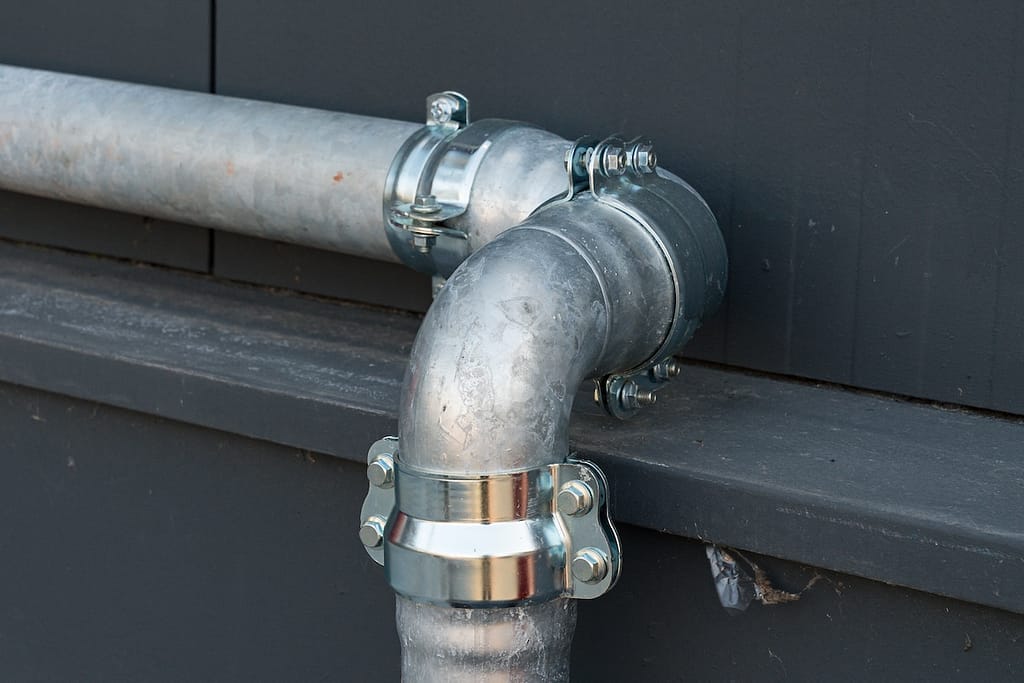
Understanding Repair vs. Replacement for Galvanized Pipes
Deciding between repairing or replacing galvanized pipes hinges on the extent of damage, costs, and long-term performance. Minor issues such as isolated leaks can often be repaired temporarily, but widespread corrosion typically necessitates pipe replacement. Here are aspects to consider when evaluating your options.
While you weigh the benefits of a long-term upgrade versus a quick fix, it is important to remember that aging galvanized systems are prone to sudden failures. A small leak can quickly turn into a major flood, causing significant damage to your property in a matter of minutes. If you want to learn more about how to handle these urgent situations, you can learn more about emergency plumbing services here to ensure you are prepared for any unexpected pipe bursts or water crises.
Repairing Galvanized Pipes
Repair attempts usually involve patching leaks or cleaning rust and buildup. However, these solutions may only be short-term due to the progressive nature of corrosion in galvanized pipe systems.
- Pros: Lower initial cost, quicker fixes for small problems.
- Cons: Does not address underlying corrosion, potential for repeated repairs.
Replacing Galvanized Pipes
Replacement involves removing old pipes and installing modern alternatives such as copper or PEX piping, which offer better durability and water quality.
- Pros: Long-term reliability, improved water flow, and elimination of lead risks.
- Cons: Higher upfront cost and temporary disruption during installation.
Best Practices for Maintaining Galvanized Pipes
While galvanized pipes are prone to degradation, certain maintenance measures can extend their lifespan and performance. Regular inspections combined with proactive care help minimize plumbing emergencies and ensure water safety.
- Routine Inspection: Schedule professional pipe inspections to detect early signs of corrosion or leaks.
- Water Quality Testing: Testing for rust, lead, and contaminants helps identify vulnerable pipes.
- Pipe Cleaning: Periodic flushing of pipes removes buildup and improves water flow.
- Pressure Regulation: Avoid high water pressure conditions that can stress aging pipes.
- Upgrade Components: Replace fixtures or valves connected to galvanized pipes to reduce failure risk.
Frequently Asked Questions About Galvanized Pipe Problems
Galvanized pipe issues are common in older homes and can affect everything from water quality to overall plumbing performance. Understanding why these problems occur helps homeowners recognize early warning signs and make informed decisions about repairs or replacements.
What causes galvanized pipes to corrode?
Galvanized pipes corrode primarily because the zinc coating, which protects the steel beneath, gradually wears off. Once unprotected metal is exposed, it reacts with oxygen and water, leading to rust buildup inside and outside the pipe.
Can galvanized pipes be safely used for drinking water?
While galvanized pipes were once standard, their tendency to accumulate rust and potential lead contamination make them less safe for drinking water over time. It is advisable to replace old galvanized pipes to ensure water safety.
How long do galvanized pipes typically last?
Galvanized pipes generally last between 40 to 50 years. However, environmental factors and water chemistry can shorten this lifespan through accelerated corrosion.
Will repairing leaks in galvanized pipes prevent further problems?
Repairing leaks can stop immediate water damage but does not address the underlying corrosion. Pipes often develop new leaks over time, so replacement is a more reliable long-term solution.
What are modern alternatives to galvanized pipe?
Copper, PEX (cross-linked polyethylene), and CPVC (chlorinated polyvinyl chloride) are commonly used today due to their resistance to corrosion, ease of installation, and better water quality maintenance.
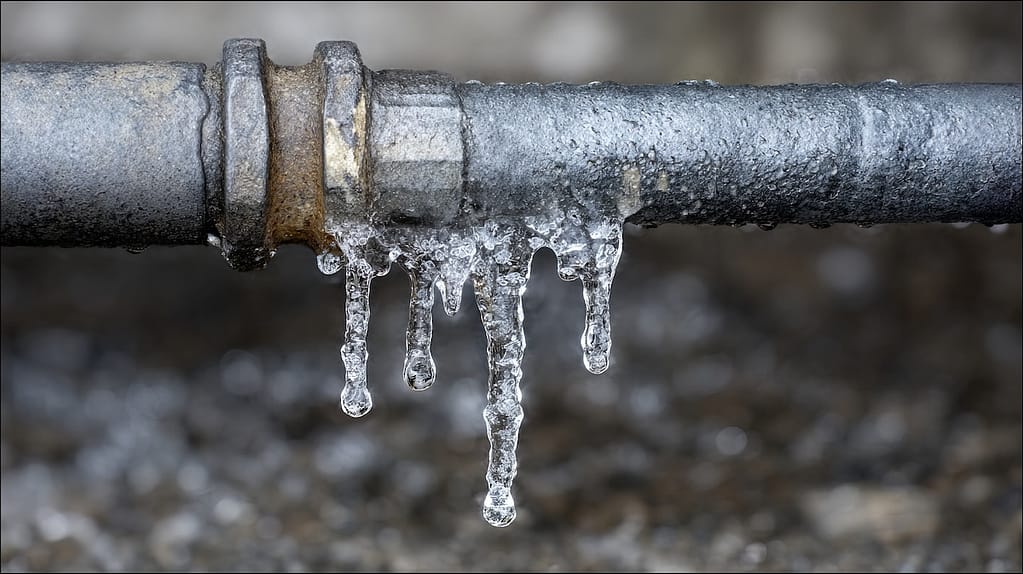
Taking Action to Protect Your Plumbing System
Recognizing the common problems of galvanized pipe and knowing when to repair or replace it is vital to maintaining a functional, safe plumbing system. To help you keep your entire home running smoothly, we provide other services and resources to extend the life of your appliances; for example, you can explore our professional advice on water heater maintenance to ensure your system provides consistent, efficient hot water for years to come.
Proactive inspection and professional plumbing services prevent costly repairs and protect your home’s water quality. Contact us today at Rolls Mechanical to schedule a thorough evaluation and receive expert advice tailored to your needs.
