


When the temperature drops, having a reliable heating system is essential for comfort and safety. One of the best options for efficient and consistent home heating is a gas furnace. Understanding the process of gas furnace installation helps homeowners prepare and ensures the system operates optimally for years to come. Installing a gas furnace is a specialized task that should be handled by professionals with knowledge of residential HVAC systems to guarantee safety and performance. Whether you are replacing an old unit or installing a furnace for the first time, knowing what to expect can make the experience smoother. For an expertly installed system, consider working with trusted HVAC professionals who specialize in residential heating solutions.
- Learn why gas furnace installation is critical for home heating efficiency and safety.
- Review the essential steps involved in installing a gas furnace.
- Discover tips for maintenance and energy efficiency after installation.
- Understand how to choose the right gas furnace for your home.
Why Gas Furnace Installation Matters for Your Home
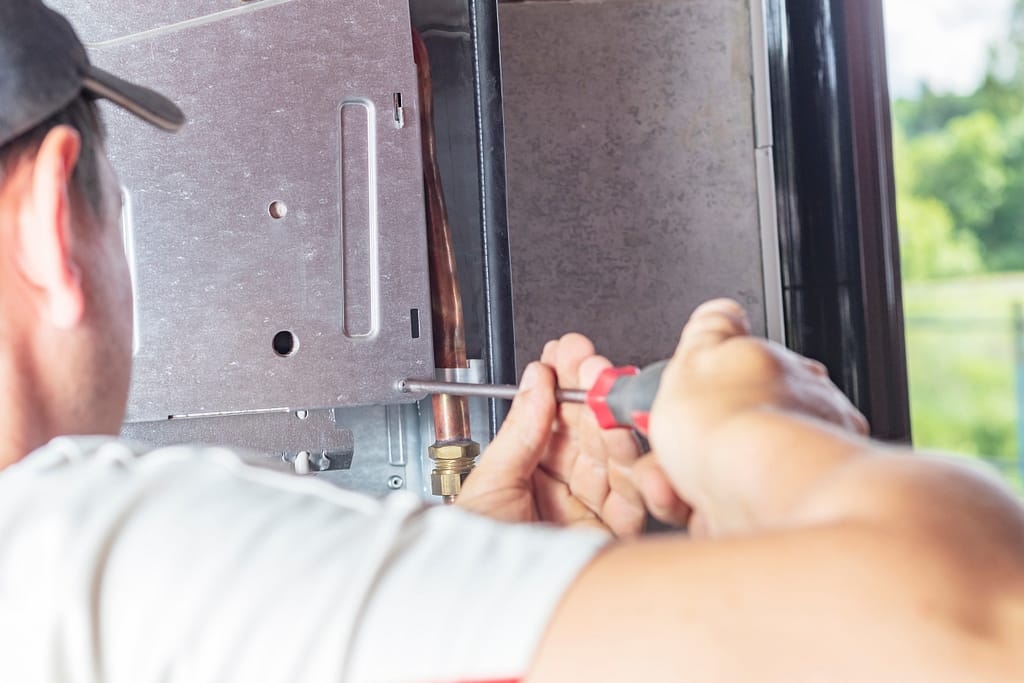
Proper gas furnace installation is crucial to ensure your home stays warm, energy bills stay reasonable, and your family remains safe. The heating system is the heart of residential comfort in colder seasons, so investing in the correct installation is smart. A well-installed furnace offers several important benefits:
- Efficient Heating: Proper installation guarantees that the furnace provides heat evenly and effectively, reducing cold spots inside your home.
- Safety Enforcement: Gas furnaces involve combustion, so professional installation ensures all safety codes are met, avoiding potential gas leaks and carbon monoxide risks.
- Cost Savings: An efficiently installed furnace consumes less fuel, which translates to lower utility bills over time, making the upfront investment worthwhile.
- Longevity: Correct installation extends the life of the furnace by preventing premature wear caused by improper setup or airflow restrictions.
- Warranty Protection: Many manufacturers require professional installation for warranty validity, protecting your investment in case of defects or failures.
7 Essential Steps in Gas Furnace Installation
Each gas furnace installation involves a series of key steps that ensure the system works safely and efficiently. While every installation may have its unique considerations due to home layout or furnace model, the following numbered steps cover the typical process you can expect.
1. Initial Assessment and Sizing
Before installation, a professional technician conducts a thorough home assessment to determine the appropriate furnace size. Proper sizing depends on home square footage, insulation quality, and climate. A unit that is too large or too small will cause inefficiencies and discomfort.
- Evaluation of heat load requirements based on your home’s characteristics.
- Selection of a furnace with suitable capacity to meet demand without excessive cycling.
- Recommendations tailored to your specific needs and budget.
2. Removal of Old Furnace (If Applicable)
If replacing an older furnace, the technician will safely disconnect and remove the existing unit. This plan ensures a smooth transition while minimizing disruption to your home environment.
- Disconnection of gas, electrical, and vent lines.
- Safe disposal of the old furnace according to environmental standards.
- Inspection of the existing ductwork and vents to confirm they are suitable for the new unit.
3. Installation and Positioning
The new furnace is carefully placed in the designated area, typically a basement, utility room, or dedicated closet. Proper positioning is crucial for airflow and service accessibility.
- Leveling and securing the furnace to prevent movement and vibration.
- Ensuring compliance with local building and safety codes regarding clearance and ventilation.
- Connecting the furnace to the home’s duct system.
4. Gas Line Connection and Testing
Connecting the furnace to the home’s gas supply requires a qualified HVAC technician to handle the piping and pressure testing to avoid leaks.
- Installing new gas lines if necessary.
- Using specialized equipment to test and validate all connections.
- Ensuring proper gas pressure reaches the furnace for safe operation.
5. Electrical Wiring and Thermostat Setup
Power is essential for furnace fans, controls, and safety systems. The electrical setup ensures all circuits and the thermostat function in harmony with the furnace.
- Wiring the furnace to the electrical panel and control board.
- Installing or upgrading the thermostat to optimize comfort and energy use.
- Testing all electrical components thoroughly for reliability.
6. Ventilation and Exhaust Installation
The removal of combustion gases is vital for safety and air quality. Proper venting systems transport exhaust safely outside.
- Installing flues and chimneys that comply with manufacturer instructions and local code.
- Ensuring adequate combustion air supply to the furnace.
- Sealing all vent connections to prevent leaks of harmful gases.
7. System Testing and Customer Orientation
After installation, the technician runs a full diagnostic to verify all systems operate correctly and efficiently.
- Starting the furnace to check ignition, burners, fans, and safety switches.
- Measuring combustion levels to maximize performance and minimize emissions.
- Walking through the basic operation and maintenance tips with the homeowner.
Tips to Maximize Your New Gas Furnace’s Performance
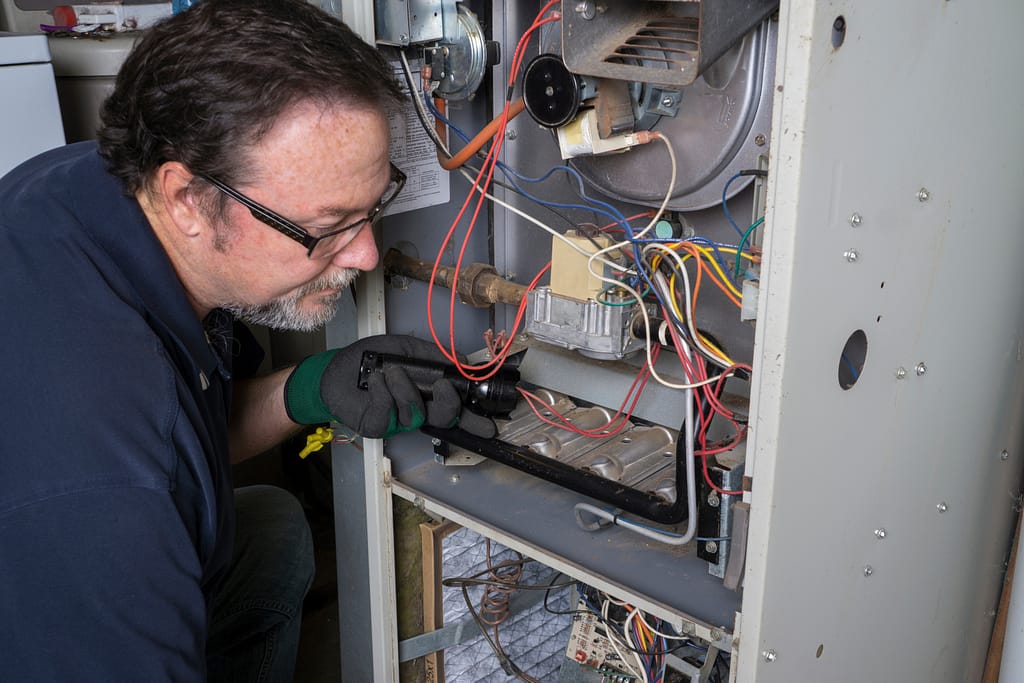
After installation, proper maintenance and good usage habits extend your high-efficiency furnace’s life and maintain comfort and efficiency. Consider these practical recommendations:
- Regular Filter Changes: Replacing furnace filters every 1 to 3 months ensures unobstructed airflow and clean indoor air.
- Annual Professional Tune-ups: Schedule yearly inspections and cleanings to catch issues early and keep the furnace running smoothly.
- Seal Ductwork: Leaky ducts can reduce heating efficiency significantly. Sealing them enhances heat delivery and lowers energy costs.
- Maintain Clear Vents and Registers: Keep vents and registers open and unobstructed to allow proper airflow throughout your home.
- Use a Programmable Thermostat: Automate temperature control to save energy when you are away or asleep.
Choosing the Right Gas Furnace for Your Home
Selecting the ideal gas furnace involves evaluating several factors to fit your home’s needs and budget. Here are key considerations to guide your choice:
Efficiency Ratings
Look for the Annual Fuel Utilization Efficiency (AFUE) rating. Higher percentages indicate more efficient performance; models over 90% AFUE are standard for new installations.
Fuel Type and Availability
Confirm natural gas availability in your area. In places lacking this connection, propane may be an alternative.
Size and Capacity
A correctly sized furnace avoids both wasted energy and insufficient heating. Use professional calculations to confirm.
Technology Features
- Variable Speed Fans: Improve airflow control, reduce noise, and enhance comfort.
- Two-Stage Burners: Offer better temperature control and energy savings compared to single-stage models.
- Smart Thermostat Integration: Allows remote control and energy monitoring via smartphone apps.
Warranty and Service
Consider manufacturers with strong warranty programs and easily accessible local service providers for maintenance and repairs.
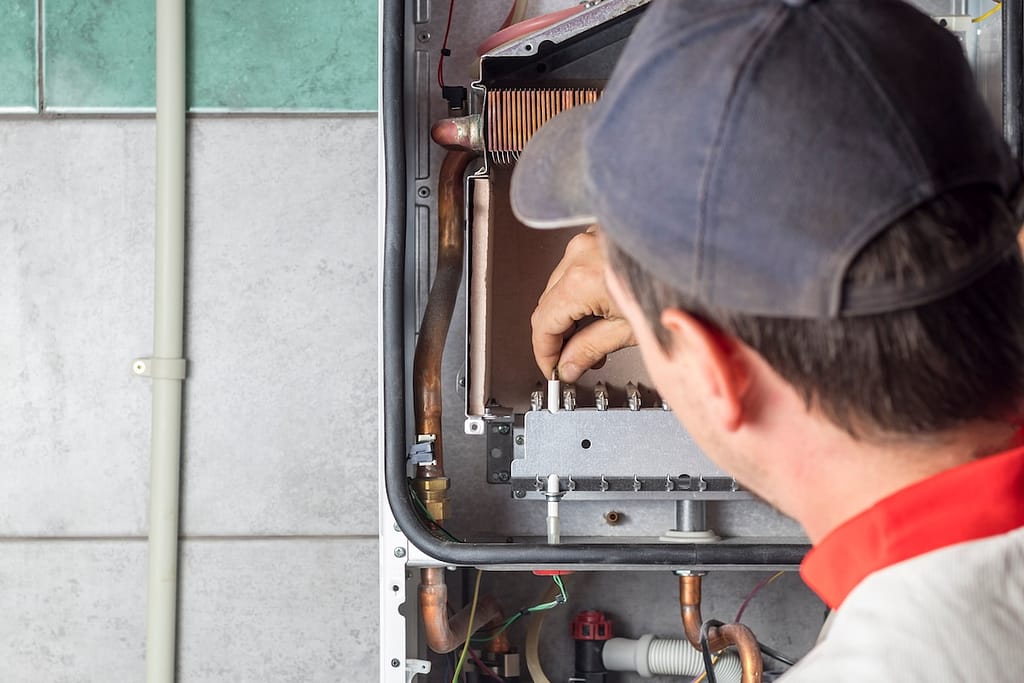
Choosing Your Heating System Type
While committing to a new gas furnace installation is a major step toward reliable comfort, many homeowners begin their journey by asking a more fundamental question: Is a furnace the best heating technology for my home? For some properties, a hydronic (boiler) system might offer unique advantages in heat distribution or comfort that should be considered before any installation begins. To fully weigh the benefits, drawbacks, and long-term costs of both main options for your property, consult our comprehensive guide on furnaces vs. boilers—which is better for your home?
Take the Next Step Toward Comfortable Home Heating
Understanding the detailed process of gas furnace installation prepares you for a smooth upgrade to your home’s heating system. Proper installation not only guarantees warmth during winter but also ensures safety, efficiency, and long-term reliability.
If it’s time to install a new furnace or replace an old unit in the greater Spokane and surrounding areas, professional guidance makes all the difference. For expert advice and trustworthy service, contact us today to schedule a consultation and heating system evaluation.
