


When it comes to keeping your home warm during the chilly months, choosing the right heating system makes a significant difference not only in comfort but also in energy costs. A high efficiency gas furnace stands out as a smart investment for homeowners looking to optimize their heating system’s performance while reducing monthly utility bills. Understanding the financial benefits of upgrading to a high efficiency gas furnace can help you make an informed decision about your home’s heating needs. If you want to learn more about how modern HVAC technology can enhance your home’s climate control, exploring options for professional heating services can provide tailored solutions.
- What defines a high efficiency gas furnace compared to standard models
- Key benefits of using a high efficiency gas furnace in your home
- How much you can expect to save on energy bills with this upgrade
- Factors that influence the overall savings and cost effectiveness
- Tips by HVAC professionals for maximizing savings and maintenance recommendations
Why Investing in a High Efficiency Gas Furnace Matters
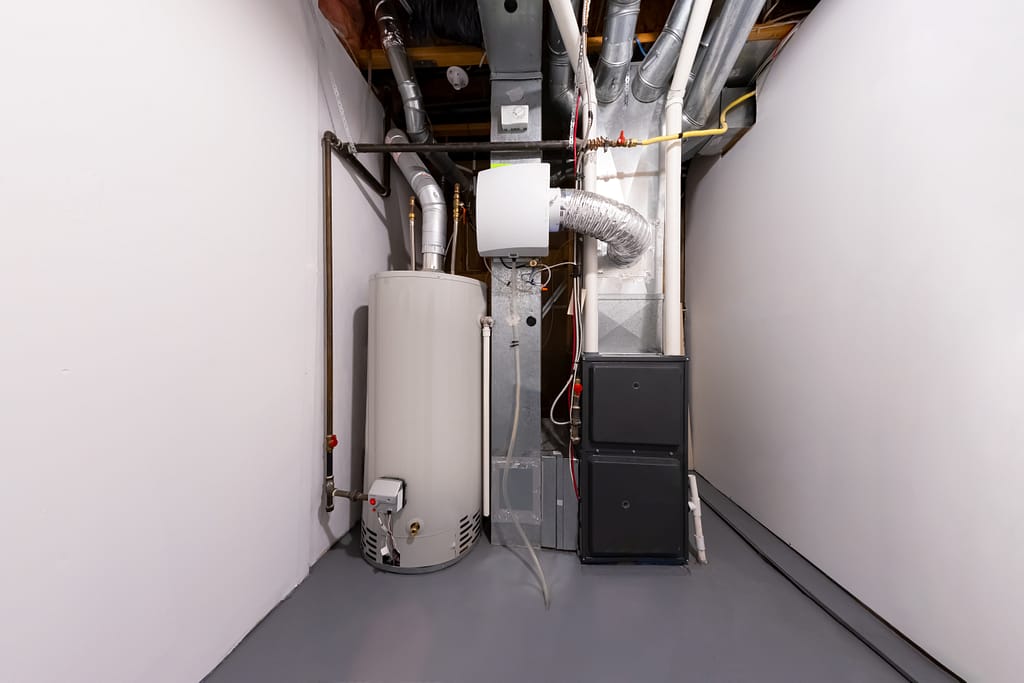
Switching to a high efficiency gas furnace is more than just an upgrade in appliances—it impacts your energy consumption, environmental footprint, and long-term heating costs. Here’s why considering this upgrade is important for every homeowner who wants to optimize home comfort while managing expenses effectively.
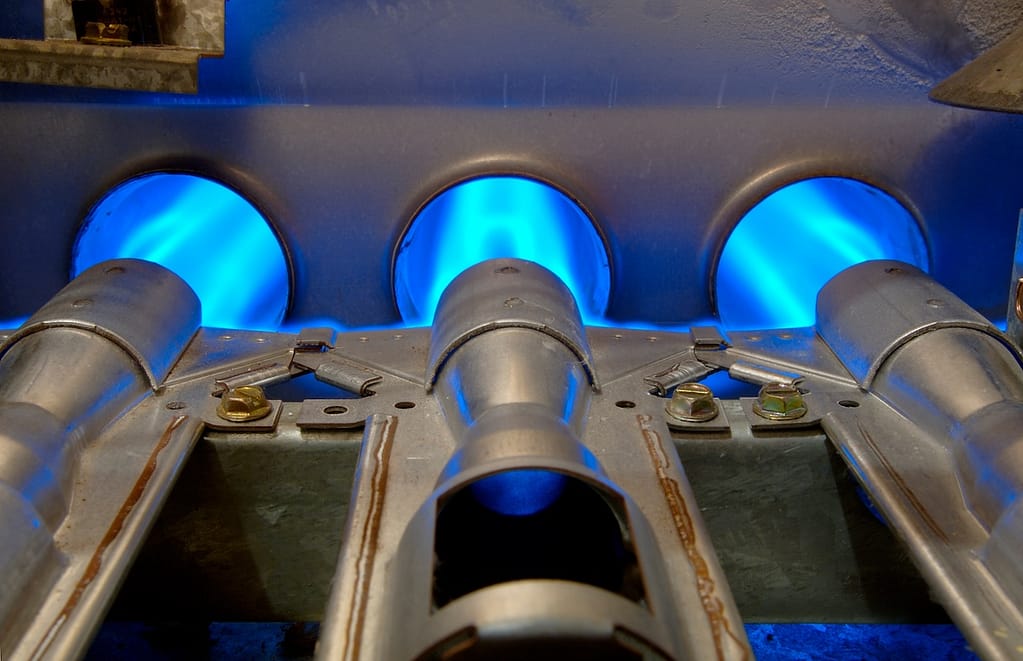
- Energy Savings: These furnaces use the latest combustion technology, reaching efficiency ratings above 90%, which means more heat from every unit of fuel burned.
- Lower Utility Bills: Upgrading can translate directly to a significant reduction in monthly gas bills, especially in colder climates.
- Environmental Impact: A high efficiency furnace emits fewer greenhouse gases compared to older, less efficient models, contributing positively to environmental conservation.
- Enhanced Comfort: Modern furnaces provide more consistent temperatures and better airflow distribution, avoiding cold spots in your home.
- Increased Home Value: Installing energy-efficient HVAC systems adds appeal to your home’s marketability and can raise property value.
6 Methods To Understanding How Much Money a High Efficiency Gas Furnace Saves
Estimating the exact savings from a high efficiency gas furnace depends on several variables related to home size, climate, fuel costs, and existing equipment. Below is a breakdown of factors you should consider when calculating potential savings and what steps can influence your overall cost-effectiveness.
1. Evaluating Furnace Efficiency Ratings
Standard gas furnaces typically have Annual Fuel Utilization Efficiency (AFUE) ratings around 80 percent, while high efficiency models reach 90 percent or higher.
Key points:
- Higher AFUE means more fuel is converted into usable heat.
- An 80 percent AFUE furnace wastes about 20 percent of fuel energy.
- A 95 percent AFUE furnace wastes only about 5 percent.
- Upgrading reduces energy waste and increases long term savings.
2. Comparing Energy Consumption Before and After Upgrade
Your current system’s fuel use provides a baseline for comparison when evaluating savings from an upgrade.
Consider the following:
- High efficiency furnaces significantly reduce gas consumption.
- A homeowner paying $120 monthly might reduce that to $80 or less.
- Savings accumulate across the entire heating season.
- Reduced fuel use extends system lifespan by lowering workload.
3. Considering Local Climate and Usage Patterns
Climate and individual heating habits heavily influence your potential savings.
Important factors:
- Colder regions require more heating, increasing the value of efficiency upgrades.
- Heating can account for up to 60 percent of home energy bills in cold climates.
- Thermostat settings and daily usage patterns affect fuel consumption.
- Milder climates see benefits, but total annual savings may be smaller.
4. Factoring in Fuel Prices
Fuel cost trends directly affect the return on investment for a high efficiency furnace.
Keep in mind:
- Gas prices fluctuate with market conditions.
- Higher fuel costs make efficiency more financially valuable.
- Reduced consumption becomes more impactful during price spikes.
- Monitoring local gas rates helps estimate long term savings.
5. Accounting for Installation and Maintenance Costs
High efficiency furnaces cost more upfront but offer strong long term value.
Key considerations:
- Installation includes equipment, labor, and any required venting or electrical upgrades.
- Routine maintenance preserves efficiency and performance.
- Energy savings often offset the purchase cost within a few years.
- Proper upkeep prevents breakdowns and extends system lifespan.
To ensure you get the most out of your investment, a professional setup is essential for safety and performance. If you’re ready to upgrade, learn more about our process for gas furnace installation.
6. Assessing Home Insulation and Heat Loss
Efficiency upgrades are most effective when the home itself retains heat well.
Areas to evaluate:
- Insufficient insulation in attics and walls leads to rapid heat loss.
- Drafty doors, windows, and exterior gaps overwork the furnace.
- Air sealing and insulation upgrades improve heat retention.
- Reducing heat loss maximizes real world savings from a high efficiency system.
Top Advantages of High Efficiency Gas Furnaces
Beyond direct cost savings, high efficiency gas furnaces bring multiple additional benefits that enhance homeowner satisfaction and comfort. Here is a summary of key advantages that make these systems a worthwhile option.
- Quiet Operation: Engineered components reduce noise levels during heating cycles.
- Improved Air Quality: Some models include advanced air filtration, reducing dust and allergens indoors.
- Smart Controls: Many systems feature programmable thermostats and connectivity options for remote management.
- Durability: Higher quality construction materials extend furnace service life, reducing replacement frequency.
- Rebate Eligibility: Government and utility incentives often reward homeowners for installing energy-efficient heating equipment.
Comparing High Efficiency Gas Furnace Models and Alternatives
Choosing the right furnace involves assessing different unit types and heating options. Below is a comparison table outlining common features, benefits, and considerations by HVAC experts to help guide selection.
| Feature | High Efficiency Gas Furnace | Standard Gas Furnace | Heat Pump Alternative |
| AFUE Rating | 90% – 98% | 80% – 85% | AROUND 200% (COP rating) |
| Fuel Source | Natural Gas | Natural Gas | Electricity |
| Energy Savings | High to Very High | Moderate | Very High (in moderate climates) |
| Installation Cost | Higher | Lower | High |
| Suitability | Cold climates | Cold climates | Mild to moderate climates |
Evaluating your climate, fuel availability, and budget helps determine the best heating solution. High efficiency gas furnaces remain a top choice for reliable warmth and cost savings in climates with cold winters.
Maximizing Savings From Your High Efficiency Gas Furnace
Installing a high efficiency gas furnace is the first step toward lowering your heating costs. To ensure you get the most value from your investment, consider the following tips.
Proper Sizing of the Furnace
A furnace sized appropriately for your home’s square footage will perform efficiently. An oversized furnace cycles frequently, reducing efficiency, while an undersized unit struggles to maintain warmth.
Regular Maintenance and Tune-Ups
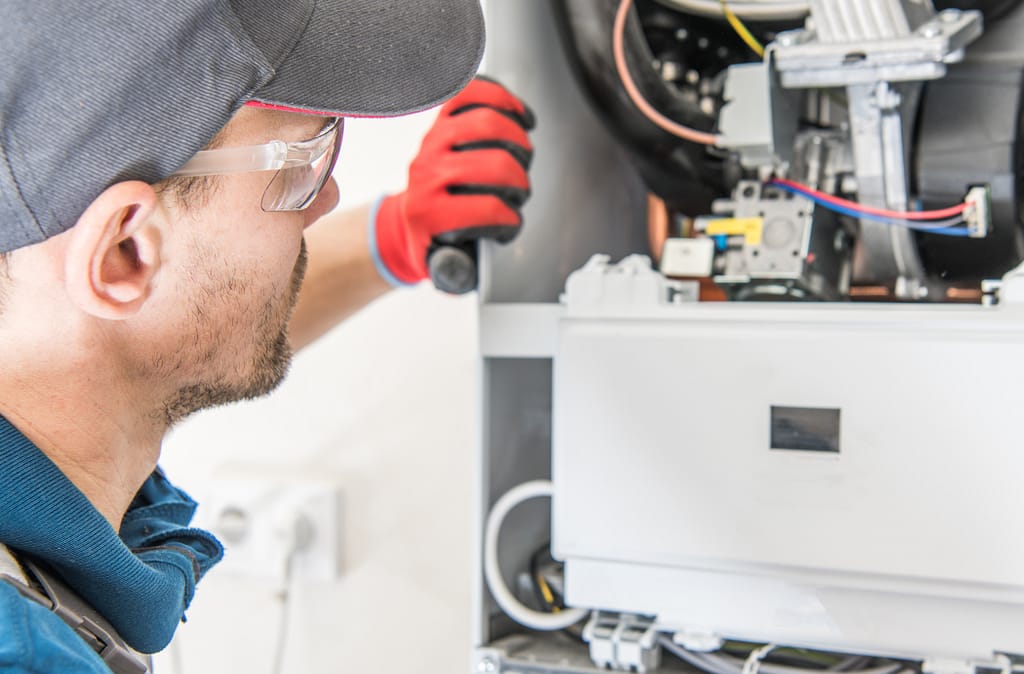
Seasonal inspections, filter changes, and cleaning keep the furnace operating at peak efficiency. Neglected units often consume more energy to produce the same amount of heat.
Using Programmable Thermostats
Thermostats programmed to lower temperatures during the night or when the house is unoccupied reduce unnecessary fuel consumption.
Sealing Your Home’s Ducts and Insulation
Even the most efficient furnace loses heat if ductwork leaks or if your home is poorly insulated. Addressing these issues helps retain warm air and lowers heating demands.
Considering Renewable Energy Offsets
Some homeowners complement their gas furnace with solar panels or renewable energy credits, further lowering net costs and environmental impact.
Making Your Heating Dollars Go Further
Investing in a high efficiency gas furnace is a practical way to reduce home heating expenses while enhancing comfort during colder months. With improved fuel usage, lower emissions, and advanced features, these furnaces offer strong long-term financial and environmental benefits.
However, before committing to a specific system, it is worth comparing all your central heating options to ensure you’re making the right choice for your property’s layout. To see how these units stack up against hydronic systems, check out our guide on furnaces vs boilers to see which is better for your home.
To discuss options tailored to your home’s needs or to get professional recommendations about heating upgrades and service, contact us today. Taking this step will help ensure your home stays warm and energy-smart throughout the year.
