


Homeowners across Ann Arbor, MI and surrounding areas rely on dependable heating to get through freezing winters, and understanding your boiler is one of the smartest ways to protect comfort and efficiency. Boilers often operate quietly behind the scenes, yet they influence energy costs, system longevity, and overall home performance. If you are planning ahead for winter reliability, you can explore how modern heating options contribute to whole home comfort by reviewing the company’s heating and cooling information as part of your long term system planning.
Homeowners reading this guide will learn:
- The primary boiler types and how each functions
- What efficiency ratings like annual fuel utilization efficiency mean
- Common issues that lead to repairs
- Ways to enhance long term performance
- When to repair vs replace
Why Understanding Boilers Matters for Homeowners
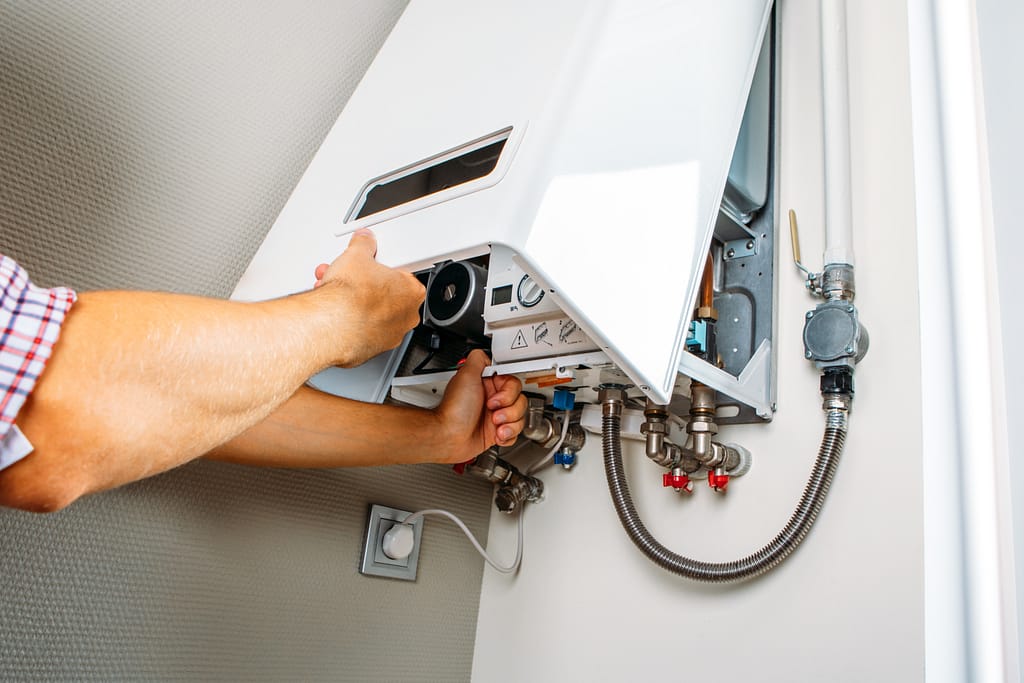
Whether you live in Ann Arbor, MI and surrounding areas or commute frequently throughout the region, knowing how your heating appliance operates helps you make informed decisions about repairs, efficiency upgrades, and replacement timelines. Unlike forced air systems that distribute heat through ducts, boilers use water or steam to deliver consistent warmth with minimal air movement. This often results in steadier comfort and cleaner indoor air.
A well-maintained boiler furnace can run for decades, but only if the homeowner understands the basics. Awareness of system behavior helps you notice early warning signs, interpret technician recommendations, and avoid major breakdowns during peak heating season. If you are considering an upgrade or simply want to understand the fundamental differences between these heating methods, explore our detailed comparison of furnaces vs boilers to see which is better for your home.
Reasons this knowledge helps:
- Lower Operating Costs: Improved efficiency through informed maintenance practices.
- Better Comfort Control: Stable heat without aggressive airflow.
- Stronger Decision Making: Easier evaluation of repair recommendations.
- Long Term Planning: Clearer timeline for upgrades or replacements.
4 Main Boiler Types, How They Work, and Why It Matters
Different boiler types perform differently, and knowing which category your home uses helps you troubleshoot issues and understand efficiency ratings. Homes in Ann Arbor, MI and surrounding areas often rely on hydronic systems that vary in design depending on age, size, and remodeling history.
1. Conventional Boilers
Conventional boilers use a water tank and separate components to deliver heat. They can handle multiple bathrooms and large fixture counts. Hot water is stored until needed, making them practical for larger households.
Benefits:
- Ideal for homes with older radiators
- Reliable hot water volume
- Straightforward servicing
Limitations:
- Requires more space
- Stored water can lose heat
2. Combination Boilers
Combination units eliminate the storage tank and heat water on demand. This allows greater efficiency and frees up space.
Pros:
- Compact and energy efficient
- Endless hot water
- Fewer installation components
Cons:
- Not ideal for heavy simultaneous hot water use
3. System Boilers
System boilers use a hot water cylinder but do not require separate tanks. They offer higher water pressure than conventional systems.
Advantages:
- Supports multiple bathrooms
- Fast hot water delivery
- Smooth compatibility with newer hydronic systems
Considerations:
- Needs cylinder storage space
- Slightly higher installation cost than combi units
4. High Efficiency Condensing Boilers
These units recover heat from combustion gases that older boilers lose, dramatically increasing performance. This process can even produce superheated steam in some system designs.
Why homeowners choose condensing boilers:
- Significantly higher annual fuel utilization efficiency
- Lower energy bills
- Cleaner and more eco friendly combustion
Keep in mind:
- Requires proper drainage
- Works best with modern distribution setups
Common Causes of Boiler Issues and How to Address Them
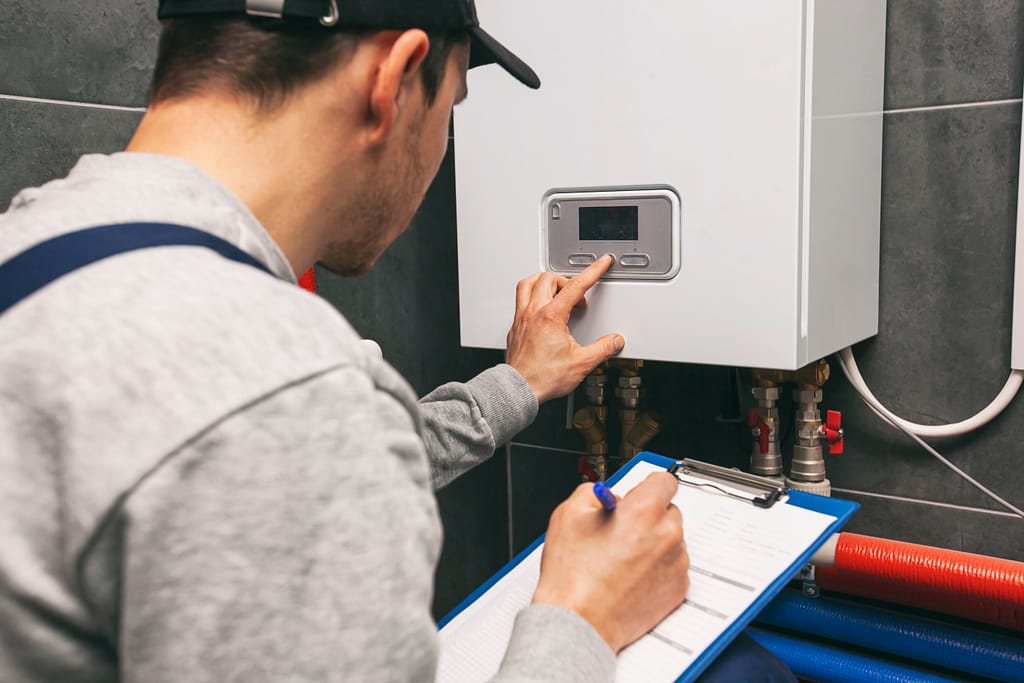
Even though boilers are known for reliability, wear and tear still occurs. Homeowners in Ann Arbor, MI and surrounding areas should be aware of common problem sources that lead to repairs.
1. Mineral Buildup and Scaling
Hard water minerals accumulate inside heat exchangers, slowing circulation and reducing efficiency.
Indicators:
- Reduced heat output
- Popping or rumbling sounds
- Longer heating cycles
What helps:
- Periodic descaling
- Water softening when needed
- Routine flushing
2. Air in the Heating Lines
Air pockets create cold spots in radiators and reduce system performance.
Symptoms:
- Uneven radiator warmth
- Gurgling noises
- Low pressure readings
Solutions:
- Bleeding radiators
- Checking for leaks or faulty valves
- Regular pressure checks
3. Thermostat or Control Problems
Sometimes the boiler is fine but the thermostat or controller becomes inaccurate.
Signs:
- Heat cycles too often or not at all
- Inconsistent temperature
- Boiler ignition issues
Fixes:
- Check settings and batteries
- Consider a smart upgrade
- Have a technician test control wiring
4. Circulator Pump Failure
The circulator pump moves hot water throughout the system. When it fails, parts of the home stay cold even if the boiler furnace is heating water properly.
Watch for:
- Radiators not heating
- Loud mechanical noises
- Water leaks around the pump
Solutions:
- Professional pump replacement
- Lubrication and tightening of internal parts
- Electrical inspections
5. Ignition or Fuel Supply Issues
Fuel delivery, ignition sensors, and safety systems all influence whether the boiler fires properly.
Common signs:
- Repeated clicking without ignition
- Pilot issues or weak flame
- Soot near burners
Actions:
- Professional inspection of ignition components
- Avoid DIY adjustments to fuel or burners
- Schedule seasonal tune ups
Enhancing Boiler Efficiency for Better Comfort and Savings
Small adjustments can significantly improve comfort and reduce costs. Whether your home in Ann Arbor, MI and surrounding areas uses an older boiler or a modern system, these practices keep performance strong.
Annual Maintenance
Technicians inspect burners, clean components, check combustion gases, and confirm safe operation. Maintenance prevents small problems from escalating.
Pipe and System Insulation
Insulating hydronic pipes minimizes heat loss and speeds warm up times. It also reduces workload on the boiler.
Updating Circulators and Controls
Variable speed pumps and modern controls reduce unnecessary energy use and support more balanced heat distribution.
Balancing the Distribution System
Proper valve adjustments ensure that every radiator receives consistent heat, which improves overall comfort.
Improving Home Efficiency
Sealing drafts, insulating walls, and weatherproofing reduce the demand placed on the boiler, improving the value of your annual fuel utilization efficiency rating.
Enhancing Commercial Boiler Efficiency
While the above steps focus on residential boiler maintenance for home efficiency and comfort, the complexity and scale increase significantly for large commercial properties. For businesses, a well-maintained system is crucial for regulatory compliance, uninterrupted operation, and minimizing overhead.
To fully understand the technology, high-level maintenance requirements, and full scope of this essential equipment that powers the largest buildings, explore our detailed resource on the commercial boiler.
When Repair Is Enough and When Replacement Makes More Sense
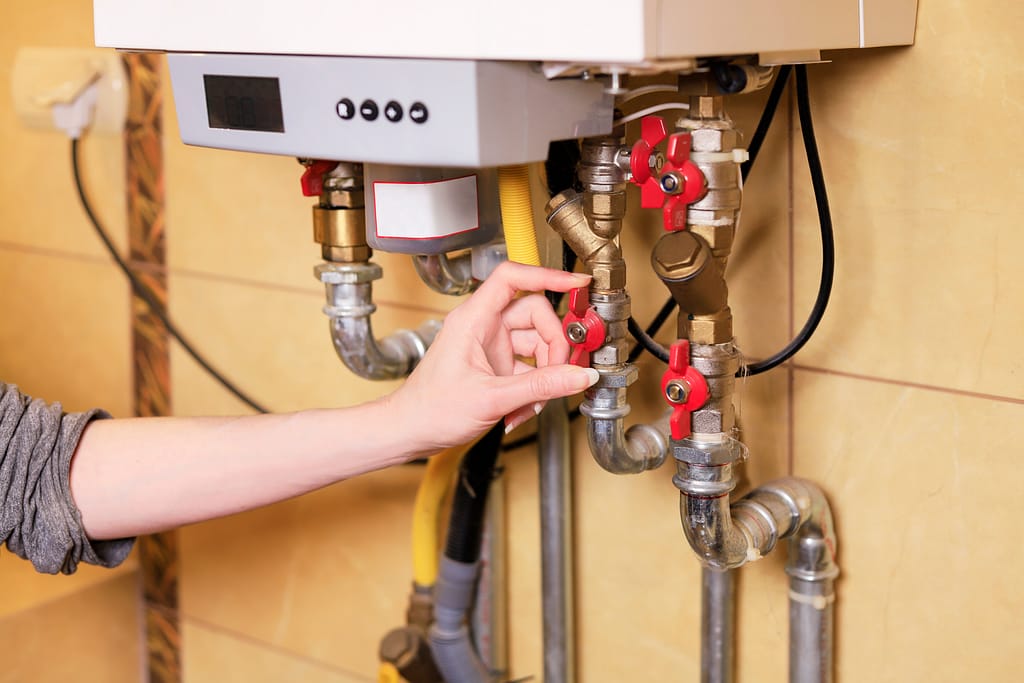
All boilers eventually reach a point where replacement is financially smarter than repair. Understanding the factors behind that decision prevents overspending and ensures reliable comfort.
Repair Often Makes Sense When:
- The system is under fifteen years old
- Only one part has failed
- Efficiency remains acceptable
- Costs are modest and infrequent
When your heating fails during a cold snap, you shouldn’t have to wait days for a solution. If you find yourself without heat or hot water unexpectedly, our team is ready to provide a fast response through our emergency boiler repair service to restore your home’s comfort immediately.
Replacement Becomes the Better Option When:
- The equipment is twenty years old or more
- Efficiency has declined noticeably
- Repairs become increasingly frequent
- Upgrades offer significant long term savings
Cost Overview
| Factor | Repair | Replacement |
| Upfront Cost | Low | Higher |
| Long Term Savings | Limited | Strong |
| Efficiency Improvement | Small | Major |
| Lifespan Impact | Short term | Long term |
The Importance of The Right Boiler
A dependable boiler keeps your home in Hartland, MI and surrounding areas comfortable all season, and understanding how your system works helps you protect that investment. Whether you are exploring efficiency upgrades, solving an active problem, or planning ahead for replacement, professional guidance ensures long term reliability. For expert service and trusted support, reach out to Rolls Mechanical and contact us today for help with any heating concern.
