


When your heating system fails unexpectedly, it can bring your household to a standstill—especially during a cold Michigan winter. A sudden breakdown not only disrupts comfort but may also cause safety concerns and property damage if left unaddressed. Knowing what to do during an emergency boiler repair situation helps you act quickly, protect your home, and restore heat safely. For reliable help, homeowners can always schedule prompt boiler service to ensure professional inspection and fast repair by certified technicians.
In this homeowner’s guide, you’ll learn:
- How to identify the signs of a boiler emergency
- Immediate steps to take when your system fails
- Common causes of boiler breakdowns and how to prevent them
- Maintenance practices that keep your heating system dependable
- When to call a professional for emergency service
Why Knowing What To Do in a Boiler Emergency Matters
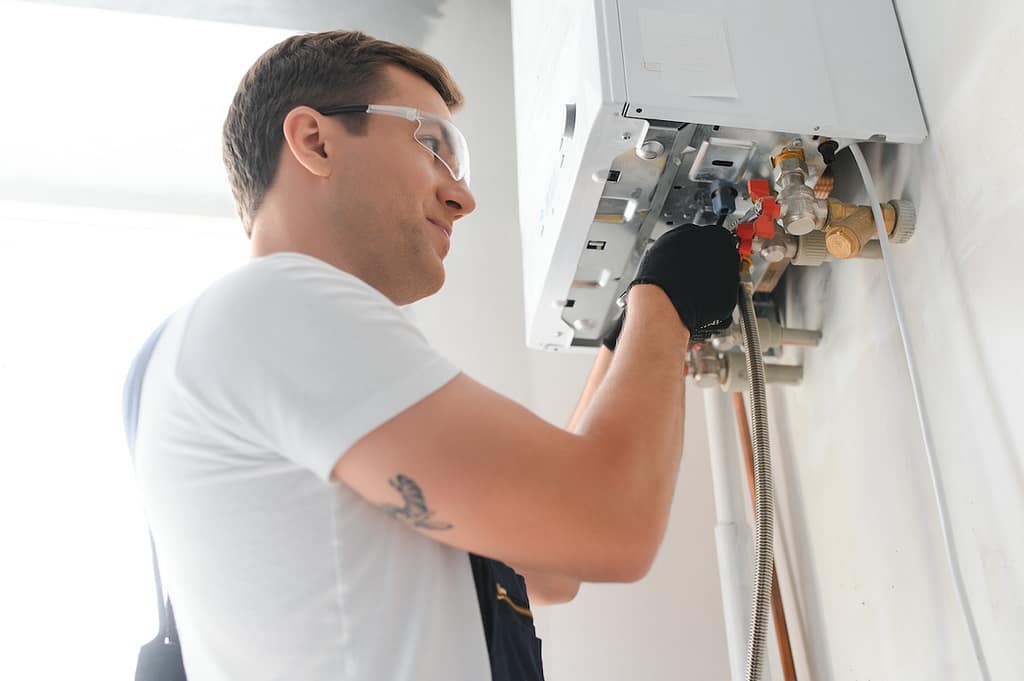
A boiler emergency can happen without warning, but quick action minimizes risks and potential damage. Whether you rely on a gas or electric system, understanding your boiler’s behavior helps you stay safe and prevent further complications.
Here’s why being prepared is essential:
- Safety Protection: Faulty boilers can leak gas, carbon monoxide, or scalding water if not handled correctly. Knowing what to do protects your household.
- Prevents Costly Repairs: Addressing small issues before they escalate reduces repair costs and avoids total system failure.
- Restores Comfort Faster: Quick troubleshooting and professional service get your home warm again sooner.
- Preserves System Longevity: Responding promptly to emergencies prevents lasting damage to key components.
- Peace of Mind: Confidence in what steps to take helps you stay calm under pressure.
For Ann Arbor homeowners and surrounding areas, where winter weather can change quickly, being prepared for an unexpected boiler issue is more than just convenient—it’s essential for safety and comfort.
6 First Steps To Address an Emergency Boiler Repair
When your boiler suddenly stops working or shows signs of a serious problem, taking the right steps immediately makes all the difference. These six actions will help you stay safe and restore your system efficiently.
1. Shut Off the Boiler
If you suspect your boiler is malfunctioning—especially if you smell gas, notice leaks, or hear unusual noises—turn it off right away.
- Locate the power switch near the boiler or the circuit breaker that controls it.
- For gas boilers, turn off the gas supply valve as well.
- Do not attempt to restart the boiler until it has been inspected.
This prevents further damage and eliminates the risk of electrical or gas-related hazards.
2. Check for Power or Fuel Supply Issues
Before assuming a major failure, verify that your boiler is receiving power or fuel.
- Ensure the main switch or circuit breaker is in the “on” position.
- Check for tripped breakers or blown fuses.
- If you use natural gas, confirm that the gas valve is open.
Sometimes, an outage or minor electrical fault can interrupt operation without indicating a deeper problem.
3. Inspect the Thermostat and Controls
Incorrect thermostat settings or dead batteries can mimic boiler failure.
- Set the thermostat to “heat” and raise the temperature a few degrees.
- Replace batteries if the display is blank.
- Check if your timer or programmable settings are off-schedule.
If your thermostat is connected to a smart system, confirm Wi-Fi connectivity to ensure proper communication with the boiler.
4. Look for Visible Leaks or Unusual Noises
Water leaks, banging pipes, or gurgling noises are telltale signs that something’s wrong.
- Inspect around the base of the boiler for puddles or moisture.
- Listen for knocking or whistling sounds that indicate trapped air or pressure imbalance.
- Avoid touching hot surfaces or pipes.
Leaks can cause pressure loss or corrosion, so note what you see and inform your technician.
5. Check System Pressure
Most boilers operate within a safe pressure range—typically between 1 and 2 bars.
- Locate the pressure gauge on the front panel.
- If the reading is below 1, the system may have lost pressure due to a leak.
- Do not attempt to repressurize without guidance, as overfilling can cause damage.
Low pressure often points to a leak, faulty valve, or air trapped in the system.
6. Contact a Qualified HVAC Professional
After checking the basics, contact a licensed technician for emergency assistance. Attempting to fix complex boiler issues yourself can void warranties or worsen damage.
Professional service ensures:
- Accurate diagnosis using specialized tools
- Safe handling of gas or electrical components
- Immediate repair or replacement of damaged parts
Technicians are trained to restore function quickly and safely while ensuring compliance with local safety codes.
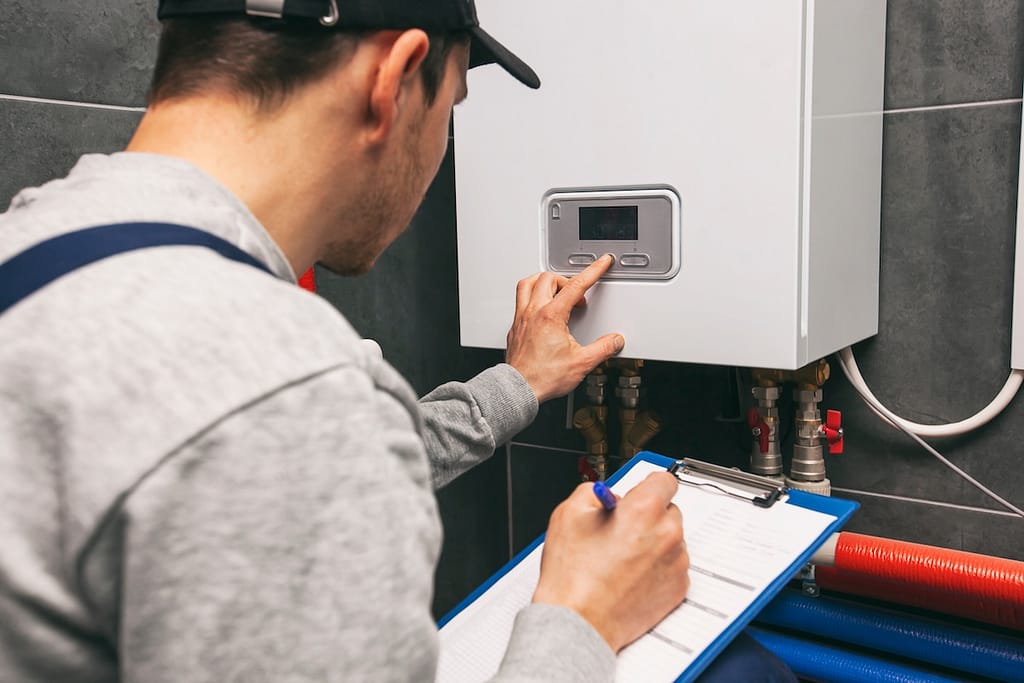
Common Causes of Boiler Breakdowns
Understanding what causes boiler failures helps you prevent emergencies in the future. Most breakdowns stem from wear, corrosion, or neglected maintenance.
Lack of Regular Maintenance
Skipping annual inspections allows small problems—like mineral buildup or air blockages—to go unnoticed until they cause system failure.
Low Water Pressure
Leaks or faulty valves reduce system pressure, leading to uneven heating and shutdowns. Properly sealed components prevent these fluctuations.
Air in the System
Air trapped in the radiators or pipes causes banging noises, uneven heat, and inefficiency. Bleeding radiators helps release trapped air.
Thermostat or Sensor Malfunctions
Outdated or miscalibrated thermostats send incorrect temperature signals, causing your boiler to cycle on and off irregularly.
Frozen Condensate Pipes
In cold climates like Ann Arbor, outdoor condensate pipes can freeze, blocking water drainage and triggering system shutdowns.
Pump or Motor Failure
If the circulation pump fails, water can’t move through the system, leading to overheating or cold spots throughout your home.
Regular inspections can catch these issues early before they escalate into costly emergency repairs.
How To Prevent Future Boiler Emergencies
While some emergencies are unavoidable, many can be prevented through proactive maintenance and good operating habits. Follow these best practices to keep your boiler reliable year-round.
Schedule Annual Tune-Ups
An annual boiler service ensures all components are tested, cleaned, and optimized for performance. Technicians check combustion efficiency, pressure levels, and safety devices.
Keep the Area Around Your Boiler Clear
Maintain at least two feet of clearance around the boiler for ventilation and safety. Avoid storing chemicals, boxes, or flammable materials nearby.
Monitor Pressure and Temperature
Check your system pressure monthly. If you notice fluctuations or irregular readings, schedule service before the problem worsens.
Bleed Radiators Regularly
Air pockets reduce heating efficiency. Bleeding radiators once or twice a year helps maintain consistent warmth throughout your home.
Insulate Outdoor Pipes
During Michigan winters, wrapping condensate and water pipes with insulation sleeves prevents freezing and flow blockages. This simple step is a key part of making your HVAC system more efficient during winter, ensuring your equipment doesn’t have to work harder to overcome seasonal strain.
Install Carbon Monoxide Detectors
Gas boilers can pose a carbon monoxide risk if improperly vented. Install detectors near sleeping areas and test them monthly.
Signs You Need Professional Boiler Service
Sometimes, issues develop slowly before leading to an emergency. Recognizing these early warning signs helps you act before a complete breakdown occurs.
- Uneven Heating: Some rooms stay cold while others overheat.
- Strange Odors: Metallic, burning, or sulfur-like smells indicate combustion or gas issues.
- Increased Energy Bills: Rising utility costs may point to reduced efficiency or a faulty component.
- Yellow Pilot Light: A healthy pilot flame should burn blue; a yellow flame signals incomplete combustion.
- Frequent System Resets: Constantly restarting your boiler suggests an internal control fault.
Addressing these signs early through professional inspection can save time, money, and stress later.
Comparing Emergency Repair vs. Preventive Maintenance
| Feature | Emergency Boiler Repair | Preventive Maintenance |
| Timing | After a breakdown occurs | Scheduled before problems arise |
| Cost | Typically higher due to urgency | Lower, planned expense |
| Downtime | Can leave home without heat | Minimal, usually less than an hour |
| System Lifespan | May shorten lifespan if frequent | Extends component life |
| Peace of Mind | Temporary relief | Long-term reliability |
While emergency repairs are sometimes unavoidable, consistent maintenance is the best defense against sudden system failures.
When To Replace Your Boiler Instead of Repairing It
There comes a point when repairing an old boiler no longer makes financial sense. Here’s how to know when replacement might be the smarter choice:
- Your boiler is over 15 years old and uses outdated technology.
- You experience frequent breakdowns or rising repair costs.
- Replacement parts are difficult to find.
- Your energy bills continue climbing despite maintenance.
- You want improved energy efficiency and modern controls.
Upgrading to a high-efficiency boiler reduces energy consumption, improves comfort, and adds long-term value to your home.
Why Professional Help Matters During Emergencies
Attempting to repair a boiler without proper training can create serious safety hazards. Certified technicians have the knowledge, tools, and experience to fix the problem safely.
Professional service ensures:
- Accurate diagnosis of root issues
- Safe handling of gas and combustion systems
- Code-compliant repairs and testing
- Protection of manufacturer warranties
In emergency cases, technicians prioritize restoring heat quickly while verifying the entire system’s safety before leaving your home. To ensure you’re fully prepared for unexpected failures, our guide on emergency HVAC service covers the critical steps to take and how to choose a reliable provider when time is of the essence.
Call Rolls Mechanical for Reliable Boiler Repair and Maintenance
A boiler emergency can happen when you least expect it, but knowing how to respond keeps your home safe and warm. Turning off the system, checking for leaks, and contacting professionals right away are the most important first steps.
If your boiler stops working or you suspect a safety issue, Rolls Mechanical can help. We provide fast, reliable repair and maintenance services for homeowners in Ann Arbor and surrounding areas. Our experienced team handles everything from urgent breakdowns to full boiler replacements, ensuring your comfort and peace of mind.
For immediate assistance or to schedule an inspection, contact us today. Rolls Mechanical is dedicated to delivering expert service, transparent pricing, and dependable heating solutions you can trust all year long.
