


Replacing your home’s heating and cooling system is a major investment that directly affects your comfort, energy bills, and long-term peace of mind. Homeowners often wonder how much to replace a heating and air conditioning system, especially when faced with rising repair costs or inconsistent performance. The total price depends on several factors—from system type and size to energy efficiency ratings and installation complexity. Understanding these variables helps you make a well-informed decision that balances comfort, cost, and reliability. Scheduling an estimate through trusted HVAC services ensures your new system is properly matched to your home’s layout and needs.
In this guide, you’ll learn:
- The main factors that determine replacement costs
- Average price ranges for different HVAC systems
- Key features that can increase or lower your investment
- How to evaluate repair vs. replacement
- Ways to save money while upgrading your comfort
Why Understanding Replacement Costs Matters
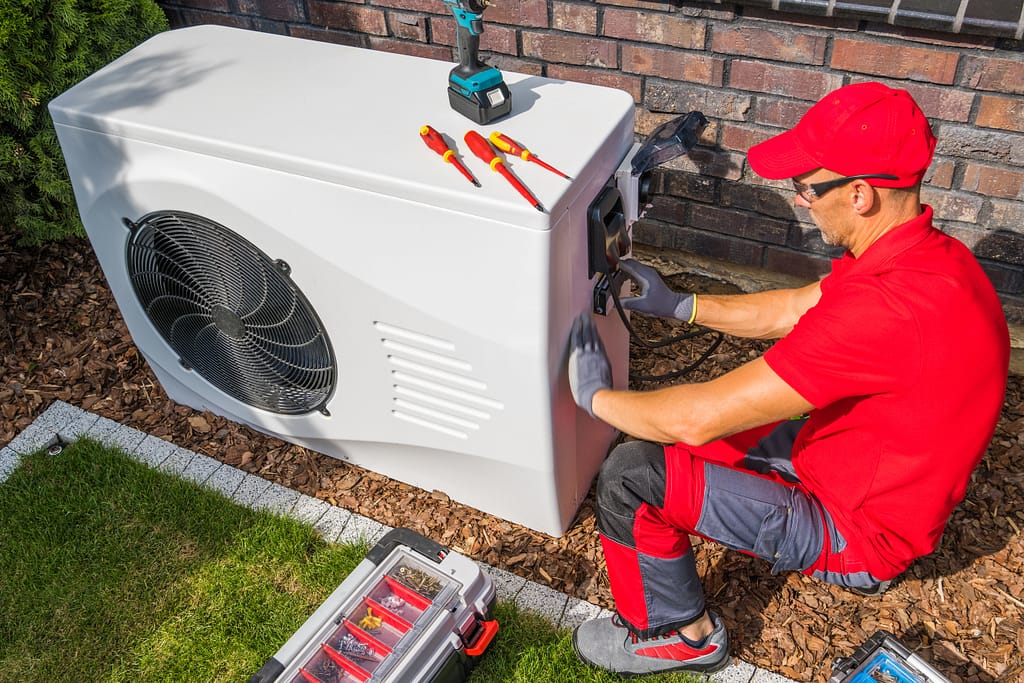
Your HVAC system is one of the biggest contributors to home comfort and energy use. Replacing it at the right time can dramatically improve performance, reduce costs, and enhance indoor air quality. Knowing what affects price helps you plan ahead and avoid surprises.
Here’s why understanding replacement costs is important:
- Budget Planning: Knowing what to expect financially helps you plan upgrades and compare quotes confidently.
- Energy Efficiency Savings: Investing in modern, high-efficiency systems lowers monthly utility bills over time.
- Home Value Boost: Upgraded HVAC systems can increase resale value and make your home more appealing to buyers.
- Comfort and Air Quality: New systems maintain temperature balance and humidity control more effectively.
- Reduced Maintenance: Replacing outdated equipment eliminates frequent repair costs and reliability concerns.
For homeowners in Rochester and surrounding areas, staying proactive about system replacement means fewer disruptions during Michigan’s unpredictable weather seasons.
5 Main Factors That Influence HVAC Replacement Costs
Every home and system is unique, so pricing varies widely. These key factors determine how much you’ll pay to replace your heating and air conditioning system.
1. System Type and Configuration
The type of system you install has the greatest impact on total cost. Common options include:
- Split Systems: Feature separate indoor and outdoor units; most common in residential homes.
- Packaged Systems: Combine all components into one outdoor unit; often used in smaller spaces or rooftops.
- Ductless Mini-Splits: Ideal for homes without ducts or for zone-specific control.
- Heat Pumps: Provide both heating and cooling by transferring heat rather than generating it.
Each configuration has different equipment and labor costs, which influence overall pricing. This is particularly evident when comparing high-efficiency modern alternatives like mini-splits vs. central air for your home’s cooling needs.
2. Equipment Size and Capacity
HVAC systems are measured in tons or BTUs (British Thermal Units). A larger home or one with poor insulation requires a higher-capacity system.
- Undersized systems struggle to maintain comfort, running constantly and wearing out faster.
- Oversized systems short-cycle, leading to inefficiency and uneven temperatures.
Professional load calculations ensure the new system fits your home’s square footage and climate needs accurately.
3. Energy Efficiency Rating
Modern HVAC systems offer higher efficiency through improved technology and design. While high-efficiency models cost more upfront, they significantly reduce long-term energy costs.
- Furnaces: Rated by AFUE (Annual Fuel Utilization Efficiency); higher percentages mean more efficient heating.
- Air Conditioners and Heat Pumps: Rated by SEER2 (Seasonal Energy Efficiency Ratio).
Upgrading to ENERGY STAR® certified models often qualifies homeowners for rebates and energy credits.
4. Installation Complexity
Installation costs vary based on your home’s layout and existing system condition. Factors that can increase labor time include:
- Replacing old ductwork or modifying layouts
- Installing new thermostats or zoning systems
- Limited attic or crawl space access
- Electrical or gas line updates
A proper installation ensures maximum efficiency and warranty protection.
5. Additional Components and Features
Modern HVAC systems often include add-ons that improve comfort and indoor air quality. These optional upgrades influence total cost but provide significant long-term value.
Examples include:
- Smart thermostats
- Whole-home air purifiers
- Humidifiers and dehumidifiers
- Variable-speed blower motors
Adding these features can elevate system performance and provide greater year-round comfort.
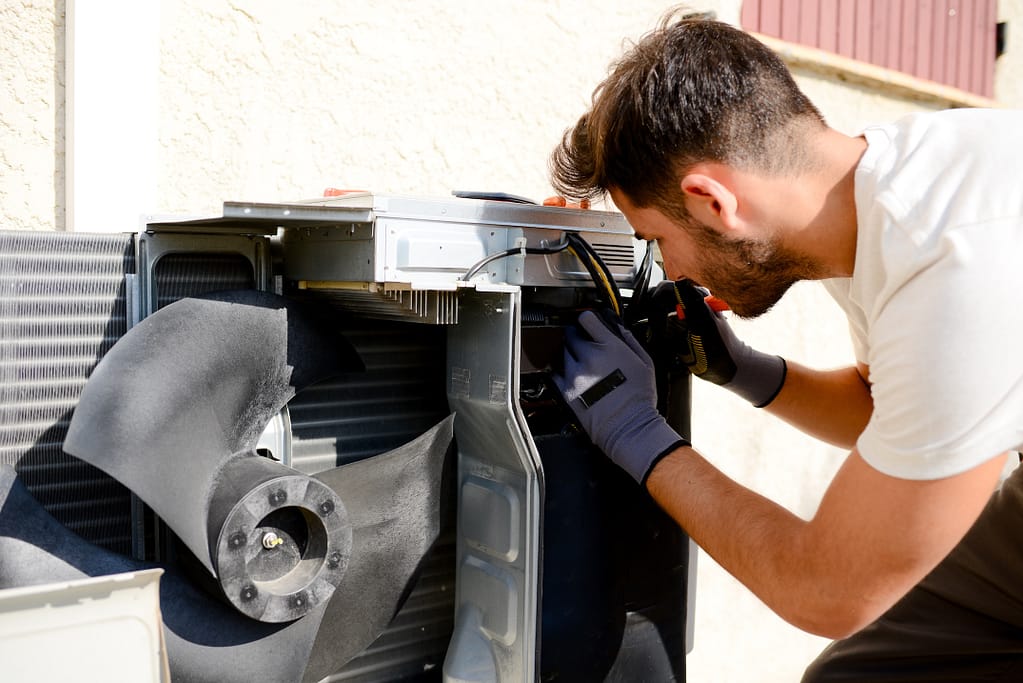
Average Cost Breakdown for System Replacement
To give you a general idea, here’s a look at average HVAC replacement prices based on system type and home size.
| System Type | Typical Cost Range (Installed) | Efficiency Level | Lifespan |
| Central Air + Gas Furnace Combo | $8,500 – $15,000 | Standard to High | 15–20 years |
| Heat Pump System | $9,000 – $17,000 | High | 15–20 years |
| Ductless Mini-Split (per zone) | $4,000 – $7,500 | High | 15–20 years |
| Packaged HVAC Unit | $7,000 – $12,000 | Moderate | 10–15 years |
| Geothermal System | $20,000 – $35,000 | Premium | 20–25 years |
These numbers include equipment, materials, and professional installation. Pricing can vary depending on local labor rates and seasonal demand in areas like Rochester and surrounding communities.
Comparing Repair vs. Replacement
One of the most common questions homeowners ask is whether to repair their existing system or replace it entirely. The answer depends on your system’s age, performance, and repair history.
When Repair Makes Sense
- Your system is less than 10 years old.
- Repairs cost less than 25% of the price of a new system.
- The unit still runs efficiently and keeps your home comfortable.
When Replacement Is the Smarter Option
- Frequent repairs add up to more than half the cost of a new system.
- Energy bills have steadily increased despite regular maintenance.
- Your system is over 15 years old and uses outdated refrigerant like R-22.
- Comfort or airflow has noticeably declined.
Replacing older systems prevents recurring costs and ensures compliance with newer energy and environmental standards.
Additional Costs to Consider During Replacement
Replacing your heating and cooling system often involves related upgrades or modifications. Here’s what to factor into your overall budget.
Ductwork Modifications
If your home’s duct system is aging or improperly sized, replacing or sealing it can improve airflow and efficiency. Expect to spend between $2,000 and $5,000 for new ductwork depending on the home’s size.
Thermostat Upgrade
Modern HVAC systems often pair best with programmable or smart thermostats that optimize energy use. These typically range from $150 to $600.
Insulation and Air Sealing
Adding insulation during replacement ensures your new system operates efficiently by minimizing heat loss or gain through walls and ceilings.
Permits and Inspections
Local building codes may require permits for HVAC replacement. Licensed contractors handle this process to ensure all work meets safety and efficiency standards.
Long-Term Savings and Benefits of Modern Systems
Although new HVAC systems represent a major investment, their efficiency and technology often deliver quick payback through reduced energy costs.
Energy Efficiency and Performance
High-efficiency furnaces and ACs consume less energy to produce the same level of comfort, saving you up to 20–40% on annual utility costs.
Enhanced Comfort and Air Quality
Upgraded systems maintain consistent temperatures, humidity levels, and cleaner air—especially beneficial for households with allergies or respiratory conditions.
Smart Technology Integration
Wi-Fi thermostats, variable-speed motors, and zoning systems allow precise control and remote management, providing comfort tailored to your schedule.
Eco-Friendly Operation
Modern HVAC systems use environmentally friendly refrigerants and meet or exceed federal energy standards, reducing your carbon footprint.
Maintaining Water Flow
In addition to these critical factors, simple preventative maintenance is essential for avoiding system shutdowns. A clogged condensation line can cause water damage, mold growth, or shut down your unit entirely. To learn how to prevent and clear this common issue yourself, consult our guide on how to clean AC drain line.
Cost Comparison: Standard vs. High-Efficiency Systems
| Feature | Standard System | High-Efficiency System |
| Initial Cost | Lower | Higher |
| Energy Use | Moderate | Significantly Reduced |
| Noise Level | Louder Operation | Quieter Performance |
| Lifespan | 10–15 years | 15–20 years |
| Long-Term Savings | Moderate | High (Lower Utility Bills) |
While high-efficiency systems cost more upfront, they pay off quickly through reduced energy consumption and better comfort control.
Financing and Rebates: Making Replacement More Affordable
Many homeowners delay replacement due to cost concerns, but several financing and rebate programs can make upgrades more manageable.
Utility Rebates
Local energy companies often offer rebates for high-efficiency equipment, which can save you hundreds on new installations.
Manufacturer Promotions
Major HVAC brands frequently run seasonal promotions, providing discounts or extended warranties on qualifying systems.
Financing Options
Many contractors offer flexible financing plans with low monthly payments, allowing you to upgrade without large upfront costs.
Federal or State Incentives
Depending on your location and system type, you may qualify for tax credits on energy-efficient upgrades. Your HVAC professional can help identify current programs available in Michigan.
Beyond Simple Repair: When to Replace
Before committing to the significant investment of a full system replacement, homeowners often weigh the cost of a new unit against the cost of repeated or major repairs. One of the most serious and frequently misunderstood repair issues is a refrigerant leak. While small leaks can sometimes be sealed and the refrigerant recharged, persistent or multiple leaks—especially in an older system—often make replacement the most economically sound decision. To understand what this issue entails, why it’s so critical, and the signs that point to a major problem, consult our complete breakdown of the refrigerant leak problem.
How to Choose the Right HVAC Contractor
The quality of installation has just as much impact on system performance as the equipment itself. When choosing a contractor, consider the following:
- Experience and Certifications: Choose licensed, insured professionals familiar with all major system types.
- Transparent Pricing: Look for detailed estimates outlining equipment, labor, and warranty coverage.
- Customer Reviews: Read testimonials and ask for references to ensure reliability.
- Service Support: Verify maintenance, repair, and warranty services are available after installation.
Working with a trusted provider ensures your investment delivers long-term comfort and performance.
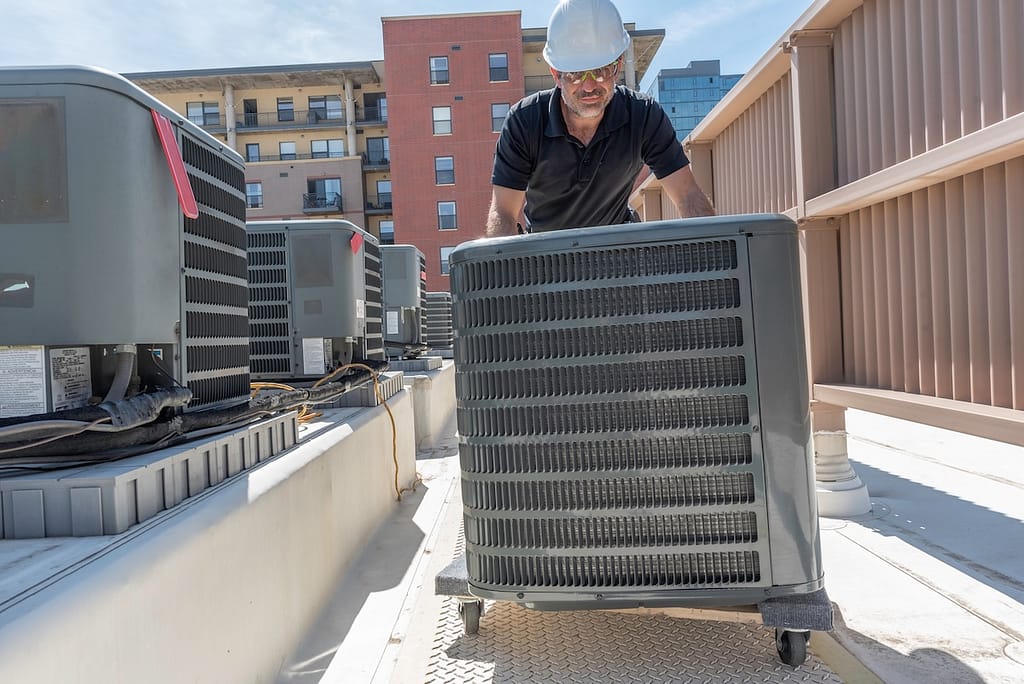
Call Rolls Mechanical for Expert HVAC Replacement
Understanding how much it costs to replace a heating and air conditioning system helps you make informed decisions about your comfort and home efficiency. Whether you’re upgrading for better energy performance, replacing outdated equipment, or addressing rising repair costs, the right system can transform your home’s comfort and savings.
If you’re in Rochester or surrounding areas and ready to explore replacement options, Rolls Mechanical can help. Our experienced technicians provide honest evaluations, detailed estimates, and professional installation tailored to your home’s unique needs. We take pride in offering transparent pricing, top-quality systems, and dependable service from start to finish.
For a personalized quote or to schedule an in-home consultation, contact us today. Rolls Mechanical is your trusted partner for reliable HVAC replacement and year-round comfort.
