


When your air conditioner isn’t cooling properly, a refrigerant leak may be the hidden cause. Refrigerant is the chemical agent responsible for absorbing heat and cooling the air inside your home. Without the right levels, your system must work harder to maintain comfort, which drives up energy costs and can cause long-term damage. Routine HVAC maintenance helps catch leaks early and protect both your equipment and your home’s comfort.
In this guide, you’ll learn:
- What refrigerant does and why leaks happen
- How to identify early warning signs before serious damage occurs
- The major risks of running your AC with low refrigerant
- Repair and prevention strategies to avoid future leaks
- When to call a professional HVAC technician for safe and lasting solutions
Why Refrigerant Leaks Are a Big Deal
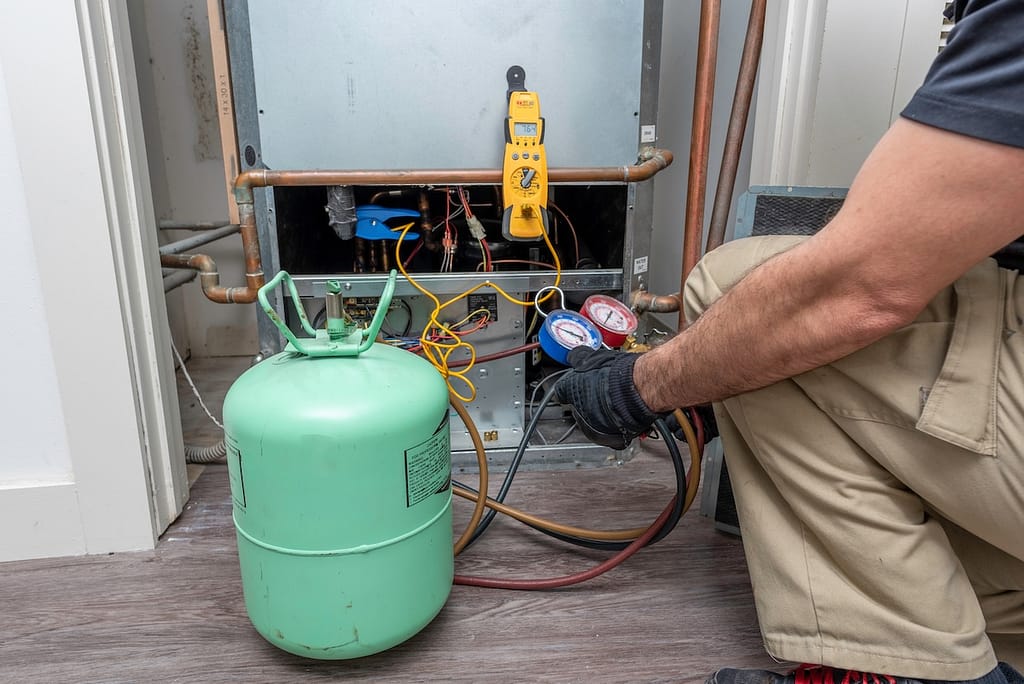
Refrigerant is the lifeblood of any cooling system. A leak might seem small at first, but even a minor loss can affect efficiency, comfort, and indoor safety. Over time, it can cause components to fail prematurely and increase operating costs.
Here’s why prompt detection and repair are so important:
- Energy Efficiency: Low refrigerant makes the system run longer and harder, consuming more electricity to achieve the same temperature.
- System Longevity: Operating under strain shortens compressor life and other key components.
- Comfort Control: Uneven temperatures or warm airflow are common when refrigerant levels drop below optimal.
- Environmental Impact: Most refrigerants are greenhouse gases that harm the environment if released into the air.
- Cost Savings: Early intervention prevents expensive part replacements and reduces your energy bill.
For homeowners in Birmingham and surrounding areas, staying proactive with seasonal AC inspections is one of the simplest ways to prevent leaks from escalating into major system repairs.
5 Common Signs and Causes of a Refrigerant Leak
Refrigerant leaks don’t always show themselves right away. Understanding the symptoms and causes helps you take action before the damage worsens.
1. Warm Air or Reduced Cooling Power
When refrigerant escapes, your system can’t absorb and transfer heat effectively. This leads to longer cooling cycles and warmer air from your vents.
Signs to watch for include:
- AC runs constantly without reaching the set temperature
- Air from vents feels lukewarm
- Rooms stay humid and uncomfortable
If you notice these changes, schedule a diagnostic test to measure pressure and confirm refrigerant levels.
2. Hissing or Bubbling Sounds
A hissing or bubbling noise coming from your indoor or outdoor unit often points to a refrigerant leak. The sound occurs as gas escapes through a small opening or crack in the line.
Common sources include:
- Corrosion inside copper tubing
- Loose connections
- Worn service valve seals
Ignoring these noises can allow leaks to worsen, leading to more expensive repairs later.
3. Ice on the Evaporator Coil
When refrigerant levels drop, the system’s pressure also decreases. This can cause condensation on the evaporator coil to freeze, forming a layer of ice.
Indicators include:
- Visible frost or ice buildup on coils or copper lines
- Water puddles around the air handler after melting
- Weak airflow due to frozen components
Running your system in this condition strains the compressor and may lead to a complete breakdown.
4. Higher Energy Bills
If your energy bills rise unexpectedly during cooling season, a refrigerant leak might be forcing your AC to work overtime. As efficiency drops, your system draws more power to maintain comfort.
Keep an eye on monthly energy use and compare it to the same period last year. Consistent spikes can signal a problem worth checking.
5. Professional Diagnosis and Confirmation
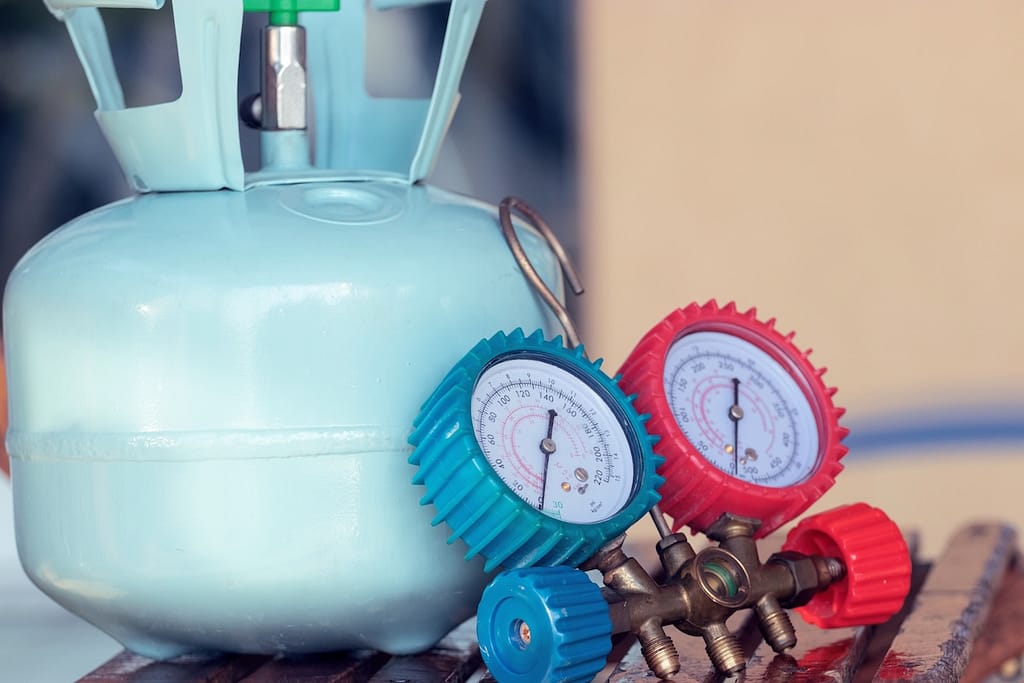
Ultimately, only a licensed HVAC technician can confirm a refrigerant leak using specialized tools such as pressure gauges and electronic detectors. A professional inspection ensures leaks are located accurately and repaired according to EPA guidelines.
Understanding How Refrigerant Leaks Happen
To protect your AC system, it helps to know why leaks develop in the first place. Most issues stem from wear, corrosion, or installation problems that worsen over time.
Age and Corrosion
Older systems are more susceptible to corrosion, especially when exposed to humidity, salt air, or chemical fumes. Corrosion gradually eats through copper lines, allowing refrigerant to escape. Regular inspection and cleaning help reduce this risk.
Poor Installation or Workmanship
If refrigerant lines aren’t properly sealed or fittings are overtightened during installation, small leaks can form. Hiring certified professionals ensures your system meets manufacturer and safety standards.
Vibration and Wear
Vibration from the compressor or fan motor can loosen joints and fittings over time. These mechanical stresses eventually create small cracks or holes, especially in systems that run frequently during peak summer months.
Factory Defects
In rare cases, defective parts or weak welds can cause premature leaks. That’s why new systems should always be inspected after installation to verify performance and safety.
Chemical Contaminants
Exposure to household cleaners or corrosive chemicals stored near your outdoor unit can degrade copper and aluminum parts. Keeping the area clear prevents unnecessary wear.
Repair Options and Professional Solutions
Repairing a refrigerant leak requires more than just refilling the system. It’s critical to identify and correct the root cause to prevent recurring issues.
Leak Detection and Sealing
Technicians use several methods to find and seal leaks effectively:
- Electronic Detectors: Identify trace amounts of escaping refrigerant.
- Ultraviolet Dye: Added to the system for easier visual detection.
- Nitrogen Testing: Pressurizes the system to locate leaks safely.
Once located, technicians can solder or replace damaged sections of copper line or components.
Refrigerant Recharge
After sealing the leak, the system is recharged with the correct amount of refrigerant. The technician checks pressure levels and verifies that the cooling cycle is balanced. It’s essential that only EPA-certified professionals handle refrigerant replacement due to environmental safety laws.
Component Replacement
If the leak originates from major components—like the evaporator coil or condenser—replacement may be more cost-effective. Newer coils often use more durable materials designed to resist corrosion.
System Upgrades
For older systems using phased-out refrigerants such as R-22, upgrading to a newer model with modern refrigerants like R-410A or R-32 improves efficiency and compliance with environmental regulations.
Preventing Future Leaks and Extending AC Lifespan
While some leaks are unavoidable, proactive maintenance can significantly reduce the likelihood of recurrence.
Schedule Seasonal Tune-Ups
Regular maintenance ensures all refrigerant lines, coils, and fittings remain in top condition. During an AC tune-up, technicians clean components, inspect for early signs of wear, and test system pressure.
Keep Components Clean and Clear
Dirt and debris buildup around the outdoor unit can trap moisture and accelerate corrosion. Keep at least two feet of clearance and avoid storing chemicals nearby.
Use Proper Air Filters
Clogged filters reduce airflow and create excessive pressure within the system. Replace filters every one to three months, depending on use and indoor air quality.
Check Insulation and Line Protection
Ensure refrigerant lines are properly insulated and shielded from physical damage. Protective covers prevent exposure to extreme weather and animals.
Upgrade When Necessary
If your AC is over 12–15 years old, replacement may be more economical than continual repairs. Modern systems are more efficient, use safer refrigerants, and feature stronger materials that resist leaks.
Comparing Repair vs. Replacement: Which Is Better?
Determining whether to repair or replace your system depends on several factors, including age, efficiency, and the cost of ongoing maintenance.
| Factor | Repair | Replacement |
| Cost | Lower upfront, possible recurring expenses | Higher initial investment, long-term savings |
| System Age | Works best for units under 10 years | Recommended for older, inefficient systems |
| Energy Efficiency | Maintains current performance | Offers modern efficiency and lower energy bills |
| Environmental Impact | May still use outdated refrigerants | Supports eco-friendly standards and compliance |
| Warranty Coverage | Often expired on older systems | New warranty protection and reliability |
For homeowners in Birmingham and surrounding areas, consulting a trusted HVAC professional can help you weigh the long-term benefits of each option.
Safety and Environmental Considerations
Refrigerant is not just another cooling fluid—it’s a regulated chemical with specific handling and disposal requirements. Mishandling refrigerants can pose risks to both human health and the environment.
Health and Safety Risks
Exposure to refrigerant in high concentrations can cause:
- Headaches or dizziness
- Eye and skin irritation
- Shortness of breath or coughing
Leaks in confined spaces, such as basements or utility closets, should always be treated as potential hazards.
Environmental Regulations
Federal law requires technicians to recover and recycle refrigerants rather than releasing them into the atmosphere. Professional service ensures all repairs follow these regulations while protecting environmental safety.
Eco-Friendly Alternatives
Many homeowners are switching to systems that use low-GWP (global warming potential) refrigerants. These environmentally conscious options reduce emissions and future-proof your investment against upcoming policy changes.
When to Call a Professional
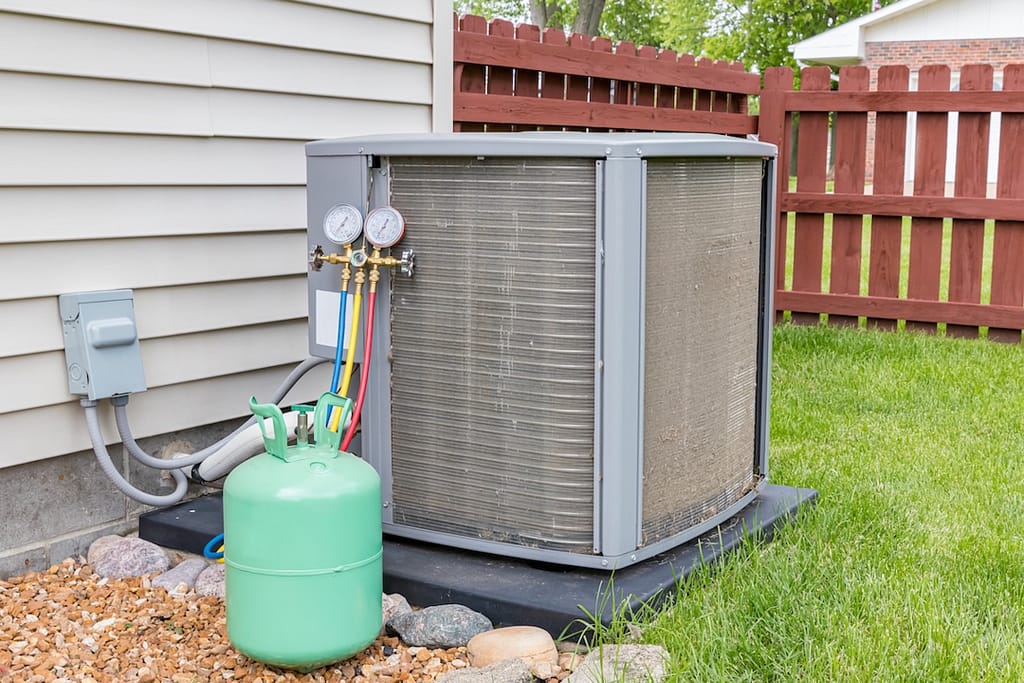
Attempting to fix a refrigerant leak on your own is unsafe and ineffective. Only certified HVAC technicians have the tools and training to handle refrigerants responsibly, ensure proper pressure calibration, and verify that your system meets safety standards.
Call a professional if you notice:
- Weak or warm airflow
- Ice on coils or refrigerant lines
- Unexplained increases in energy bills
- Hissing noises or visible corrosion around the unit
Delaying service can worsen damage and increase repair costs, so prompt action is always best.
Call Rolls Mechanical for Trusted AC Repair and Leak Detection
A refrigerant leak is one of the most common and costly AC problems, but it’s also one of the most preventable. With timely maintenance, proper diagnostics, and professional care, you can keep your system efficient, safe, and reliable all season long.
If you suspect a leak or notice a drop in cooling performance, Rolls Mechanical can help. Our technicians provide expert service for Birmingham and surrounding areas, specializing in safe refrigerant recovery, system repair, and long-term efficiency solutions. For fast, reliable assistance, contact us today to schedule an inspection or repair appointment.
Rolls Mechanical takes pride in providing dependable service, transparent pricing, and HVAC expertise that keeps your home comfortable year-round.
