

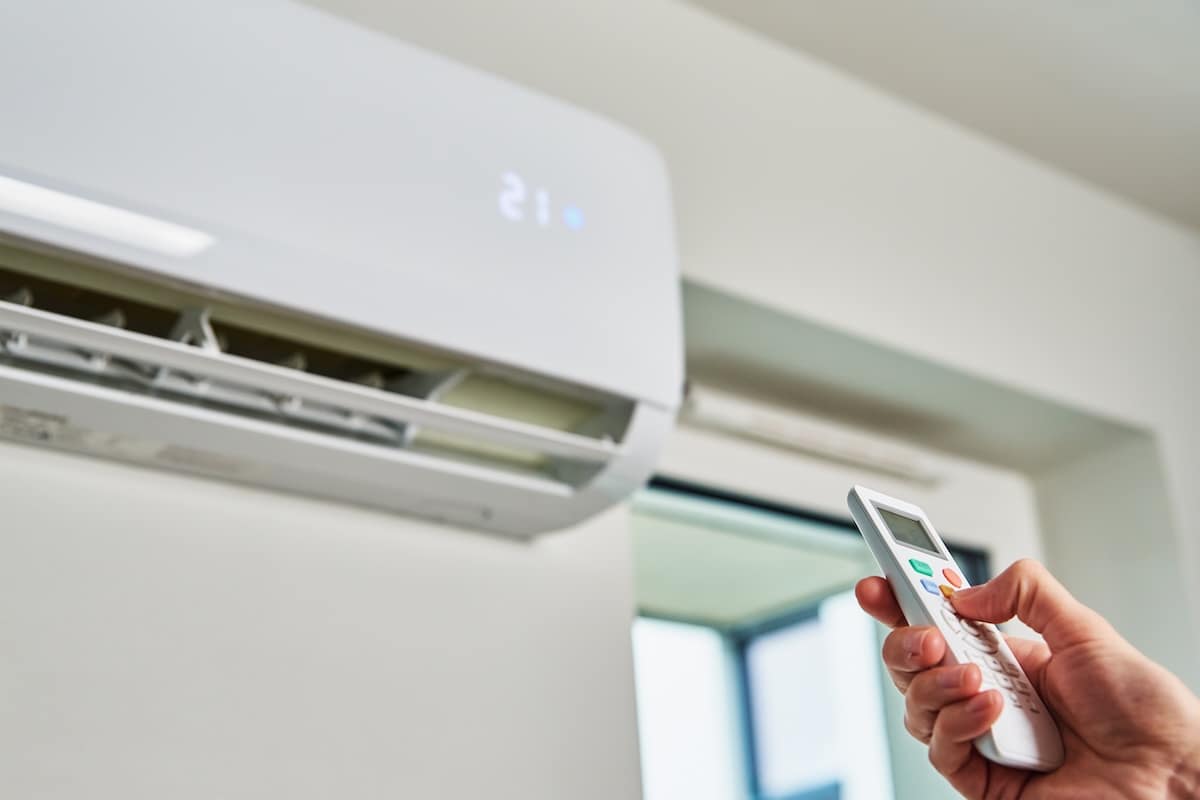
When the summer sun is blazing, few things are more frustrating than an AC not blowing cold air. Instead of relief, your home feels warm, sticky, and uncomfortable. For many Michigan homeowners, this issue raises the question: is it something simple to fix yourself or a sign you need professional help? Understanding the possible causes saves time, stress, and money. For trusted repair or replacement options, many homeowners look into residential HVAC services to restore comfort quickly.
Here’s what this guide will cover:
- Why AC cooling issues should be taken seriously
- The most common reasons your system stops cooling
- Troubleshooting steps and homeowner-friendly fixes
- Maintenance tips that prevent future breakdowns
- How to know when it’s time to call in a pro
Why Cooling Issues Should Be Taken Seriously
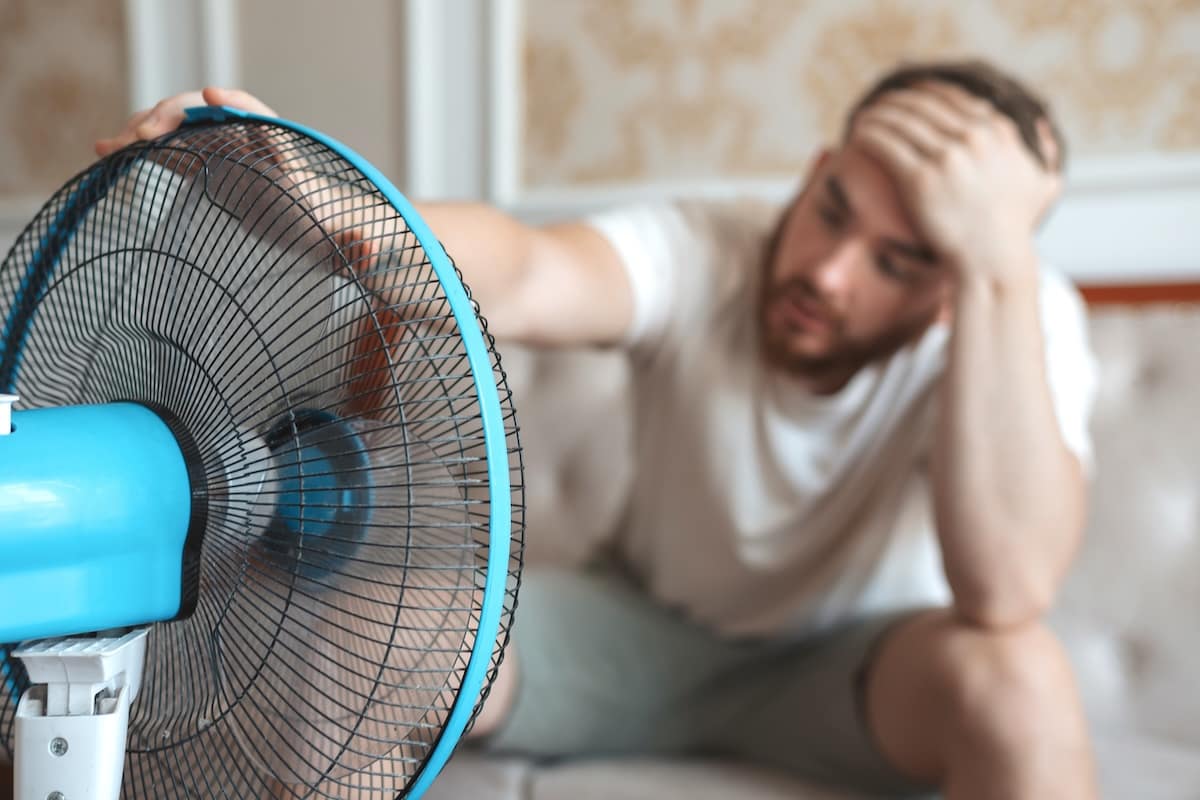
An AC system that circulates air but fails to cool can create more than just discomfort. Left unresolved, the problem can increase costs and even impact your health.
- Energy waste: A struggling AC consumes more electricity while delivering less cooling power, leading to higher bills.
- Home comfort: Hot, humid air makes it difficult to sleep, relax, or stay productive indoors.
- System stress: Forcing your unit to operate inefficiently wears out major components, reducing its lifespan.
- Health concerns: Poor cooling often means higher humidity, which encourages dust mites, mold, and allergy triggers.
- Expensive repairs: Minor issues like a clogged filter can snowball into costly breakdowns if ignored.
Taking quick action when your AC stops cooling helps you avoid discomfort while protecting your system and your wallet.
7 Common Causes of AC Not Blowing Cold Air
Here are the most frequent culprits behind a system that runs but fails to cool. Some have easy fixes, while others require professional attention.
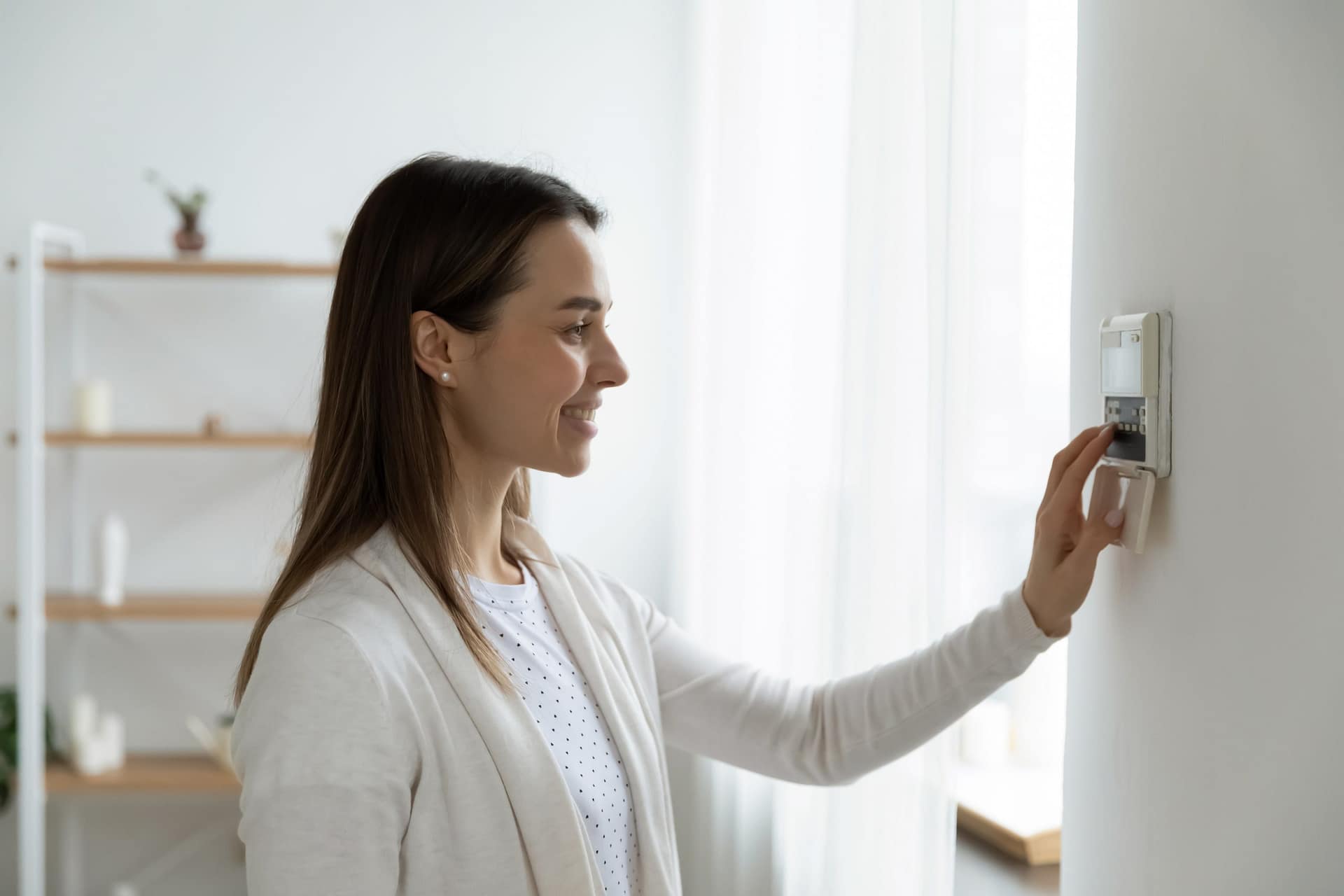
1. Incorrect Thermostat Settings
Your thermostat might be set to “fan” instead of “cool,” or the temperature may not be low enough to trigger cooling.
- Quick fix: Set to “cool” and drop the target temperature by at least 5 degrees.
- Extra tip: Replace thermostat batteries or consider a smart thermostat for better control.
2. Dirty or Clogged Air Filter
When filters are clogged with dust and pet hair, airflow is restricted. This makes it impossible for your system to cool efficiently.
- Quick fix: Swap in a fresh filter of the right size.
- Maintenance tip: Replace filters every 1–3 months.
3. Power Problems
Sometimes the indoor unit runs, but the outdoor condenser is shut off because of a tripped breaker or blown fuse.
- Quick fix: Reset the breaker once.
- Warning: If it keeps tripping, call a technician—don’t force it.
4. Frozen Evaporator Coil
A frozen coil blocks the heat exchange process, leaving your home warm. This often happens when airflow is restricted.
- Quick fix: Turn off the system and allow it to thaw fully.
- Next step: Check for clogged filters or blocked vents that may have caused the issue.
5. Refrigerant Leak
A refrigerant leak will cause low refrigerant levels preventing proper cooling. Since refrigerant is dangerous to handle, this one always requires a certified technician.
- Signs: Hissing noises, ice on refrigerant lines, or reduced cooling performance.
6. Dirty Condenser Coils
When outdoor coils are covered in dirt, leaves, or debris, your system cannot release heat efficiently.
- Quick fix: Gently rinse the coils with a garden hose.
- Pro tip: Maintain two feet of clearance around the outdoor unit.
7. Aging or Failing Components
If your AC is 10–15 years old, failing parts like compressors or fan motors could be the reason it no longer cools.
- Quick fix: None for homeowners. Professional repair or replacement is necessary.
DIY Troubleshooting Steps for Homeowners
Not every cooling issue requires an HVAC service call. Here are practical checks you can do safely:
- Check the filter: Replace it if dirty or clogged.
- Adjust thermostat: Ensure it is on “cool” and the set temperature is correct.
- Inspect vents: Make sure all supply registers are open and free of dust.
- Look at outdoor unit: Clear away leaves, grass, or debris blocking airflow.
- Reset breaker: Turn off and on once if it has tripped.
These steps often restore cooling quickly. If the air is still warm after trying them, the problem likely requires professional HVAC service.
Preventative Maintenance Tips Every Homeowner Should Know
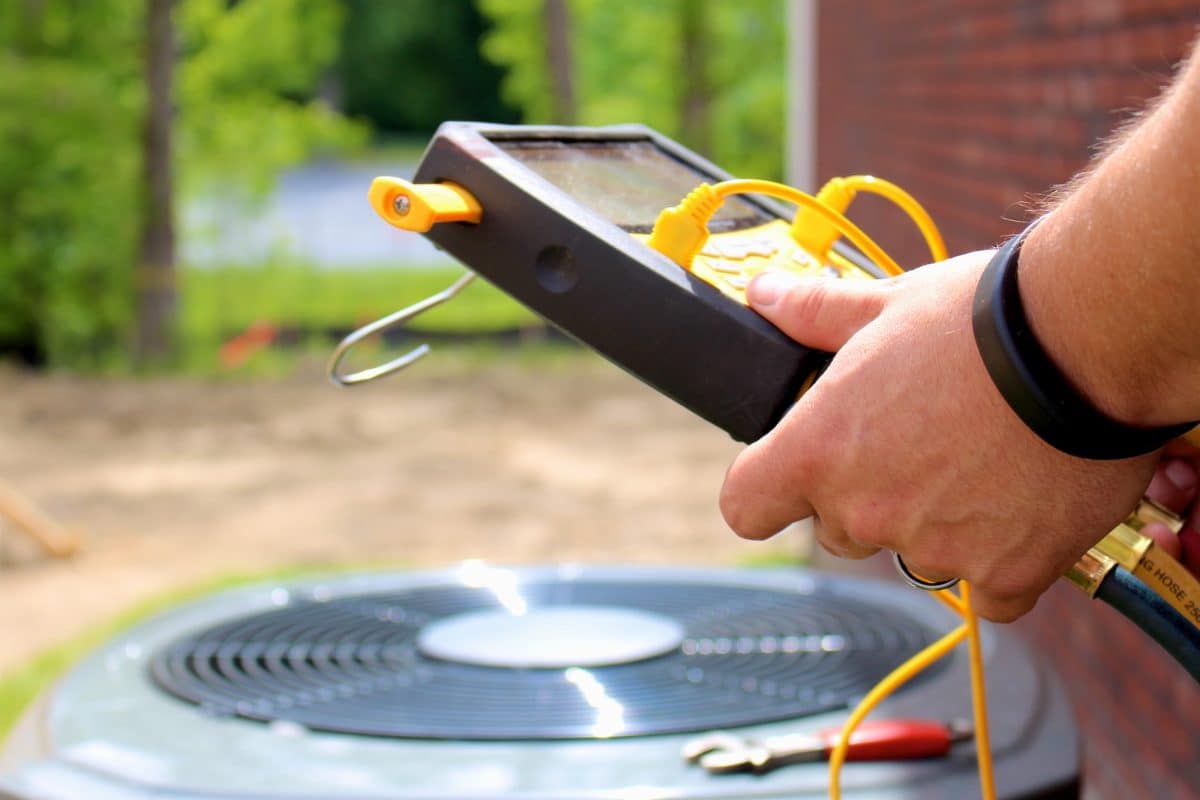
Keeping your AC in good shape reduces the chance of sudden breakdowns and ensures reliable performance when you need it most. To maximize these benefits, following a professional AC tune-up guide can help you improve energy efficiency and extend your system’s lifespan
Seasonal Checklist
- Spring: Schedule a tune-up to prep for summer.
- Summer: Monitor performance and keep outdoor unit clean.
- Fall: Inspect ductwork and replace filters before switching to heat.
- Winter: Protect the outdoor unit from snow and ice if recommended.
Everyday Habits
- Replace filters regularly: Every 1–3 months.
- Inspect ducts for leaks: Poorly sealed ducts reduce efficiency.
- Clear the condensate line: Flush with vinegar once per season to prevent clogs.
- Upgrade thermostat: Smart thermostats improve efficiency and provide early warnings.
With consistent maintenance, your AC will run more efficiently, last longer, and cost less to operate.
When to Call a Professional HVAC Technician
While DIY steps are helpful, certain problems require certified expertise. Knowing when to call an HVAC expert prevents damage and saves time.
- Air is still warm after troubleshooting
- Unusual noises like hissing, banging, or grinding
- Ice forming on coils or refrigerant lines
- Circuit breaker keeps tripping
- Unit is older than 10–15 years and frequently breaks down
A licensed HVAC technician can diagnose the exact issue, repair failing parts, or recommend replacement if your system is near the end of its lifespan.
Keep Cool with Reliable AC Service
An AC not blowing cold air is more than just inconvenient—it is a sign that your system needs attention. While homeowners can often handle simple fixes like replacing filters or adjusting thermostat settings, larger issues like refrigerant leaks, frozen coils, or worn-out components require professional care. It is also important to monitor for secondary signs of failure, such as AC drip pan leaks, which often signal that your system is struggling with airflow or internal damage.
By addressing the problem early, you avoid rising energy costs, extend the life of your system, and keep your family comfortable even during Michigan’s hottest days.
If your system is still blowing warm air after trying the basic steps, don’t wait for the problem to get worse. Schedule service for inspections, repairs, or upgrades. Our technicians are available 24/7 to restore comfort and keep your home cool.
