Your air conditioning system works hard to keep your home comfortable, but do you understand the key components that make it all possible? The AC condenser plays a crucial role in cooling your space, yet many homeowners don’t fully grasp what it does or how to maintain it properly.
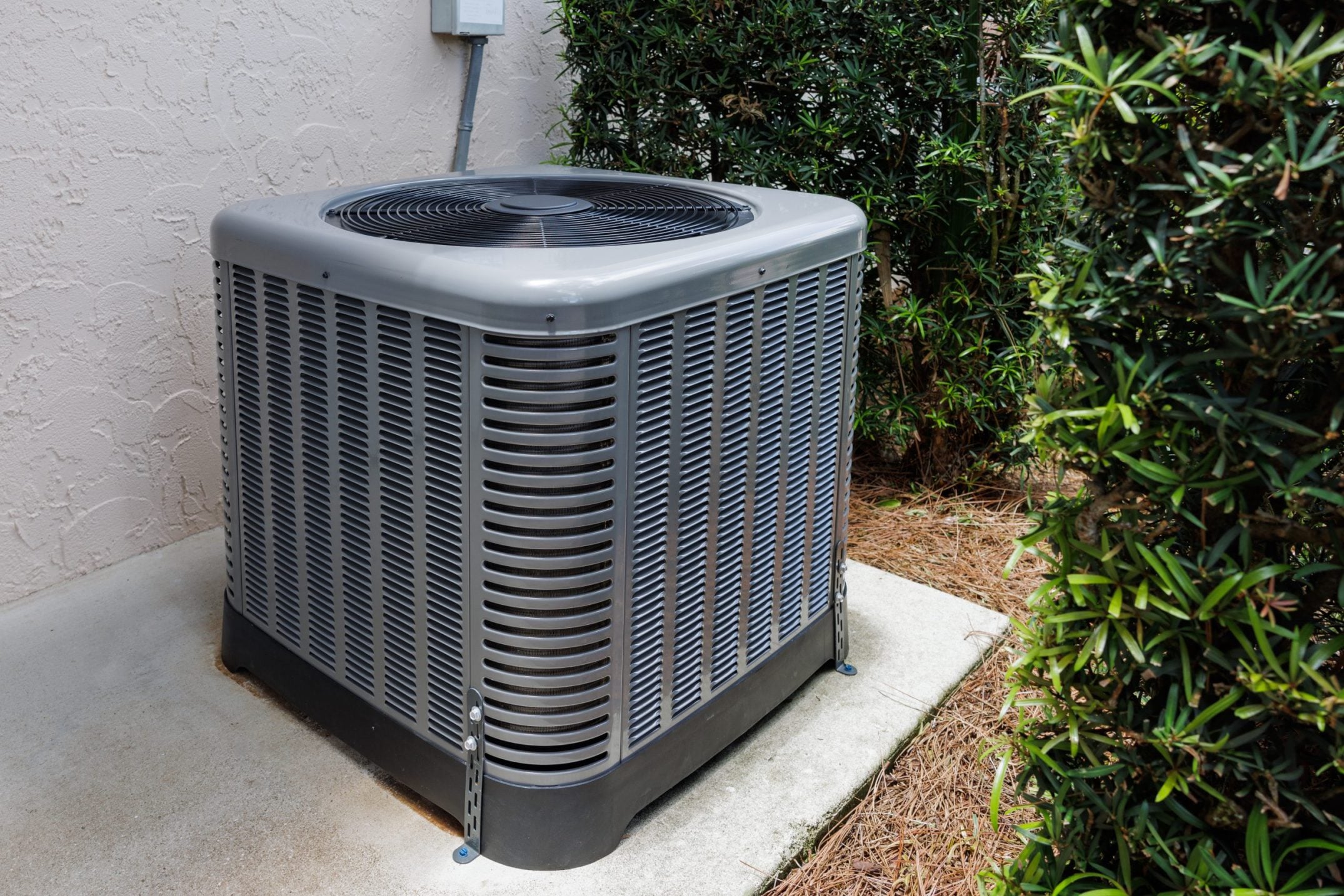
An AC condenser is the outdoor unit of your air conditioning system that releases heat from your home to the outside air. Without a functioning condenser, your entire cooling system would fail to work. Understanding this essential component can help you recognize problems early, extend your system’s lifespan, and make informed decisions about repairs or replacements.
Key Takeaways
- Master the Mechanics: Uncover how the compressor and coils work together to drive your home’s cooling cycle in the breakdown of the system’s operational process.
- Troubleshoot Issues: Identify actionable solutions for dirty coils and electrical faults to prevent total system failure in the overview of common defects and repairs.
- Maximize Efficiency: Discover how routine tune-ups improve energy performance and extend the lifespan of your AC condenser in the discussion on long-term maintenance value.
- Spot Warning Signals: Interpret critical red flags—from strange noises to warm airflow—that demand immediate HVAC expert diagnosis in the checklist of urgent symptoms.
- Make Smart Investments: Apply the “50% Rule” to determine if a repair is worth the cost or if a new AC condenser is the better financial move in the cost-benefit analysis section.
How Does an AC Condenser Work?

Your AC condenser works as part of a continuous cooling cycle. The process begins when warm refrigerant gas flows from your indoor evaporator coil to the outdoor condenser unit. Inside the condenser, several key components work together to complete the cooling process.
The compressor pressurizes the refrigerant gas, raising its temperature even higher. This hot, high-pressure gas then moves through the condenser coils, where a large fan blows outdoor air across the coils. This airflow helps dissipate heat from the refrigerant, causing it to condense from a gas back into a liquid.
Once the refrigerant becomes a cool liquid, it travels back inside your home through copper lines to the evaporator coil. There, it absorbs heat from your indoor air before returning to the condenser to repeat the cycle. This continuous process removes heat from your home and releases it outside.
Key Components of an AC Condenser
Understanding the main parts of your AC condenser helps you identify potential problems and communicate effectively with HVAC professionals.
- Compressor: The heart of your cooling system, it pressurizes the refrigerant and pumps it through the system. A failed compressor shuts down the entire air conditioning system.
- Condenser Coils: These copper or aluminum coils transfer heat between the refrigerant and outdoor air. Clean coils ensure efficiency, while dirty or damaged ones reduce cooling capacity.
- Condenser Fan: This fan pulls outdoor air across the coils for heat transfer. If it malfunctions, the system can overheat due to improper heat dissipation.
- Control Panel: Modern condensers use electrical controls to regulate system functions, such as fan speed and safety shutoffs.
4 Common AC Condenser Problems & Fixes

Several issues commonly affect AC condensers. Recognizing these problems early helps prevent costly breakdowns and extends system life.
Dirty Condenser Coils
Accumulation of dirt, leaves, and debris on condenser coils reduces heat transfer efficiency. This forces your system to work harder and increases energy consumption. Using a specialized AC coil cleaner as part of your regular maintenance prevents this common problem.
Refrigerant Leaks
Low refrigerant levels indicate leaks somewhere in your system. Common leak locations include coil connections, valve fittings, and damaged coils. Professional technicians can locate and repair leaks while properly recharging your system.
Electrical Issues
Faulty wiring, damaged contactors, or failed capacitors can prevent your condenser from starting or running properly. These electrical problems require professional diagnosis and repair for safety reasons.
Fan Motor Problems
Condenser fans can fail due to worn bearings, electrical issues, or physical damage. A non-functioning fan prevents proper heat dissipation and can cause compressor damage if not addressed quickly.
Compressor Failure
Compressor problems range from minor electrical issues to complete mechanical failure. Since the compressor is the most expensive component, proper maintenance is essential to prevent premature failure.
Benefits of Proper AC Condenser Maintenance

Regular condenser maintenance provides numerous advantages for homeowners who want reliable, efficient cooling.
- Extended Equipment Life: Professional maintenance identifies and addresses minor issues before they become major problems, helping your condenser reach or exceed its expected lifespan.
- Improved Energy Efficiency: Clean coils and properly functioning components reduce energy consumption, lowering your monthly utility bills and reducing environmental impact.
- Better Indoor Comfort: Well-maintained condensers provide consistent cooling performance, eliminating hot spots and temperature fluctuations throughout your home.
- Reduced Repair Costs: Preventive maintenance catches problems early when repairs are typically less expensive than emergency fixes or component replacements.
- Enhanced Indoor Air Quality: Properly functioning AC systems better control humidity levels, reducing the risk of mold growth and improving overall air quality.
- Increased System Reliability: Regular tune-ups reduce the likelihood of unexpected breakdowns during peak cooling season when you need your system most.
- Maintained Warranty Protection: Many manufacturer warranties require regular professional maintenance to remain valid, protecting your investment in quality equipment.
Signs Your AC Condenser Needs Professional Attention
Several warning signs indicate your condenser requires immediate professional service.
Warm Air Blowing from Vents
If warm air is coming from your vents, your condenser may not be cooling the refrigerant properly. This could be due to low refrigerant levels, dirty coils, or compressor issues. Often, low levels are caused by a refrigerant leak, which requires a professional repair to seal the system and restore your AC’s cooling capacity.
Unusual Noises from the Outdoor Unit
Strange sounds from your outdoor unit often signal mechanical problems. Grinding noises may indicate bearing issues, while clicking or buzzing could point to electrical problems.
Strange Odors Around the Condenser
Odors near the condenser area might suggest electrical issues or refrigerant leaks. These issues should be addressed promptly to avoid further damage.
Higher Energy Bills Without Increased Usage
Unusually high energy bills often mean reduced system efficiency. This can be caused by dirty coils, low refrigerant, or aging components making the system work harder.
Frequent System Cycling
Frequent cycling on and off prevents consistent temperatures. This short cycling can result from improper refrigerant levels, dirty filters, or equipment that’s too large for your needs.
When to Repair vs. Replace Your AC Condenser
The AC condenser is the heart of your cooling system, and like any mechanical heart, it eventually succumbs to age and wear. For most homeowners, this is an “out of sight, out of mind” appliance until the day it stops working. At that critical moment, you are faced with a significant financial decision: do you patch up the old unit or invest in a new one?
To make the right choice, you first need to understand the lifecycle of the equipment. A well-maintained AC condenser typically lasts between 12 and 17 years. If your unit is under 10 years old and has been serviced regularly, a repair is often the logical choice. However, once a unit crosses the decade mark, the economics shift drastically.
As your system approaches the end of its lifespan, comparing the cost of a single repair against the long-term savings of a modern, energy-efficient unit is essential. To help you budget for a full upgrade, understanding how much to replace a heating and air conditioning system can provide the financial clarity needed to determine if a complete replacement is more cost-effective than continued patching.
The 50% Rule
Follow the industry standard: if a repair costs 50% or more of the price of a new AC condenser, replace it. Putting money into aging hardware is risky, as one major failure often signals a “death spiral” where other components will soon break down, making the repair a wasted investment.
The Efficiency Dividend
While a new unit requires an upfront investment, it pays you back in lower operational costs. Modern SEER2-rated AC condenser models use significantly less electricity than 10-year-old units. Upgrading isn’t just an expense; it is a permanent reduction in your monthly energy bills.
The “Freon” Trap
Check your manufacturing date. If your AC condenser was built before 2010, it likely uses R-22 refrigerant (Freon), which has been phased out. If these units leak, you cannot simply “top them off” cheaply. You are often forced to replace the entire system to accommodate modern refrigerants, making repair financially unviable.
Trust the Experts at Rolls Mechanical
When your AC condenser needs professional service, the experienced team at Rolls Mechanical delivers the expertise and reliability you can count on. Since 1994, we’ve built our reputation on quality workmanship, prompt service, and complete customer satisfaction throughout Michigan.
We know that cooling failures don’t stick to business hours. That’s why we offer emergency HVAC service to get your system back online when you need it most. Whether you need a quick repair or a full system replacement ensure your home comfort remains worry-free.
Don’t wait for small condenser problems to become expensive emergencies. Contact Rolls Mechanical today to schedule professional AC service and experience the difference that three decades of expertise makes.